Genres
Artists
Albums
Make Music
Sign in
Sign in
Artists
Blues
Artists
Blues
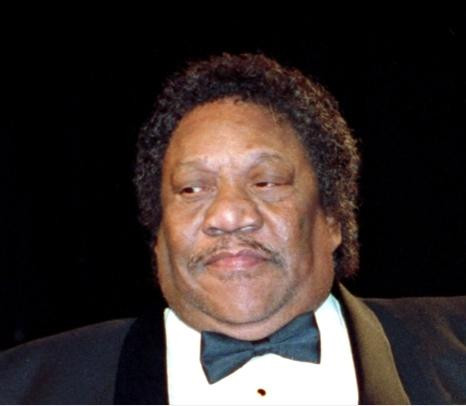
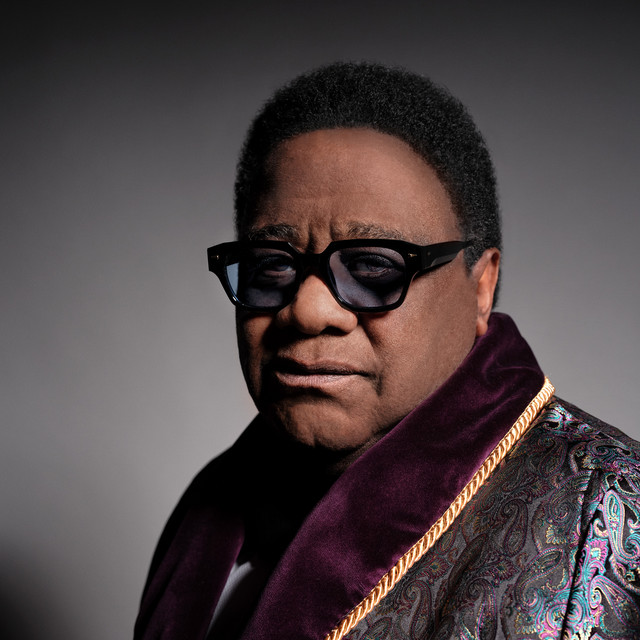
Bobby "Blue" Bland
1973–2001
·
3 albums
Listen
3
/5
Genres
Classify
Classify is a streaming-era microgenre that blends light classical technique with contemporary pop repertoire, typically presented as unobtrusive instrumental covers. It prioritizes soft dynamics, gentle tempos, and intimate recording to create a calm, elegant backdrop suitable for studying, working, or events. Most arrangements are for solo piano, string quartet, cello/piano duos, or small chamber ensembles. Harmonies remain diatonic and consonant, melodies are clearly voiced, and textures favor arpeggios, ostinati, and sustained legato lines. The overall aesthetic borrows from modern classical and new age moods while retaining the familiarity of pop song forms.
Discover
Listen
Souldies
Souldies is a modern revival of classic lowrider “oldies” soul—slow, tender ballads rooted in 1960s and early-’70s sweet soul and doo‑wop aesthetics, reimagined by a new generation of largely Chicano/Latinx artists in Southern California. Characterized by warm, analog-leaning production, mellow backbeats, honeyed vocal harmonies, and heart‑on‑sleeve lyricism, the style favors mid‑slow tempos, tape‑like saturation, spring/plate reverb, and minimalist yet expressive arrangements. English and Spanish (or Spanglish) lyrics often explore love, longing, devotion, and cruising/lowrider culture. Souldies sits at the intersection of classic soul, rhythm & blues, northern soul selections, and Latin soul, offering a contemporary, community‑centered sound that feels both timeless and newly personal.
Discover
Listen
Soul Blues
Soul blues is a hybrid of electric blues and Southern soul that foregrounds gospel-inflected vocals, horn-driven arrangements, and blues-based song forms. It typically features gritty, emotive singing over mid-tempo grooves, with Hammond organ, punchy horn stabs, and guitar fills weaving around I–IV–V progressions broadened by rich 7ths, 9ths, and 13ths. Lyrically, it focuses on love, heartbreak, resilience, and real-life struggles, delivered with the testifying fervor of the church and the storytelling directness of the blues.
Discover
Listen
Classic Soul
Classic soul is the 1960s–early 1970s strain of soul music that fused gospel's emotive vocals and church-derived harmony with the backbeat and instrumentation of rhythm & blues. It emphasizes powerful lead singing, call-and-response with background vocals, tight rhythm sections, and punchy horn arrangements. The sound ranges from uptempo, danceable singles to deeply expressive ballads in 12/8 time. Production is typically warm and analog, with live bands, tambourine and handclaps on the backbeat, and arrangements crafted for immediacy and drama. Lyrical themes center on love, heartbreak, perseverance, community, and, at times, social conscience.
Discover
Listen
Southern Soul
Southern soul is a regional style of 1960s soul music rooted in the U.S. South, centered on Memphis, Tennessee, and Muscle Shoals, Alabama. It blends the sanctified fervor of Black gospel with the grit of Southern rhythm & blues, blues, and the storytelling sensibility of country. Compared with the smoother, pop-oriented Motown sound, Southern soul is rawer and more church-inflected: impassioned lead vocals, call-and-response backing, handclaps, Hammond organ swells, tight horn stabs, and a deep pocket rhythm section. Classic recordings were cut largely live in the studio by house bands like Booker T. & the M.G.'s and the Muscle Shoals Rhythm Section, capturing a warm, unvarnished groove.
Discover
Listen
Soul
Soul is a genre of popular music that blends the spiritual fervor and vocal techniques of African‑American gospel with the grooves and song forms of rhythm & blues and the harmonic palette of jazz and blues. It is defined by impassioned, melismatic lead vocals; call‑and‑response with backing singers; handclaps and a strong backbeat; syncopated bass lines; and memorable horn or string riffs. Typical instrumentation includes drum kit, electric bass, electric guitar, piano or Hammond organ, horns (trumpet, saxophone, trombone), and sometimes orchestral strings. Lyrically, soul ranges from love and heartbreak to pride, social commentary, and spiritual yearning. Regionally distinct scenes—such as Detroit’s Motown, Memphis/Stax, Muscle Shoals, Chicago, New Orleans, and Philadelphia—shaped different flavors of soul, while the style’s emotional directness and rhythmic drive made it a cornerstone of later funk, disco, contemporary R&B, and hip hop.
Discover
Listen
R&b
R&B (Rhythm and Blues) is a vocal- and groove-centered popular music tradition that blends blues tonality, jazz harmony, and gospel-inflected singing with a steady backbeat. It emphasizes expressive lead vocals, call-and-response, lush harmonies, and danceable rhythms. From its 1940s roots in African American communities to its later evolutions, R&B has continually absorbed and reshaped surrounding sounds—from jump blues and swing in the early days to soul, funk, hip hop, and electronic production in the contemporary era. Today, R&B ranges from intimate, slow-burning ballads to club-ready tracks, all tied together by a focus on feel, melody, and vocal performance.
Discover
Listen
Classic Blues
Classic blues (often called "classic female blues") is the early, urban, theater-bred form of the blues that flourished primarily in the 1920s. It is characterized by powerful lead vocalists—frequently women—fronting small jazz ensembles or a piano accompanist, with arrangements that translated the blues idiom to vaudeville stages and recording studios. Musically it typically uses the 12‑bar blues form, AAB lyric stanzas, swung or shuffle rhythms in 4/4, and prominent use of blue notes (flattened 3rd, 5th, and 7th). The style sits at the crossroads of Southern blues traditions, ragtime and early jazz, and the songcraft and professionalism of vaudeville and Tin Pan Alley. Classic blues differs from country/delta blues by its more formal arrangements, band instrumentation, and theatrical delivery. It launched the commercial “race records” era with Mamie Smith’s 1920 hit "Crazy Blues," and set the template for later jazz and R&B vocal performance.
Discover
Listen
Blues
Blues is an African American musical tradition defined by expressive "blue notes," call-and-response phrasing, and a characteristic use of dominant-seventh harmony in cyclical song forms (most famously the 12‑bar blues). It is as much a feeling as a form, conveying sorrow, resilience, humor, and hard-won joy. Musically, blues commonly employs the I–IV–V progression, swung or shuffled rhythms, and the AAB lyric stanza. Melodies lean on the minor/major third ambiguity and the flattened fifth and seventh degrees. Core instruments include voice, guitar (acoustic or electric), harmonica, piano, bass, and drums, with slide guitar, bends, and vocal melismas as signature techniques. Over time the blues has diversified into regional and stylistic currents—Delta and Piedmont country blues, urban Chicago and Texas blues, West Coast jump and boogie-woogie—while profoundly shaping jazz, rhythm & blues, rock and roll, soul, funk, and much of modern popular music.
Discover
Listen
Show all 9 genres
Albums
2001
1
/5
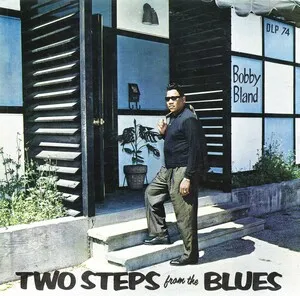
Two Steps From the Blues
Bobby Bland
Soul Blues
Blues
1974
4
/5
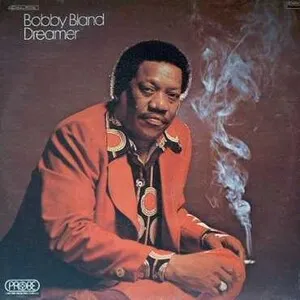
Dreamer
Bobby Bland
Southern Soul
Blues
R&b
1973
2
/5
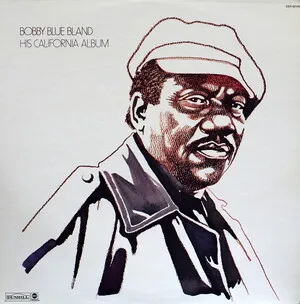
His California Album
Bobby Blue Bland
Soul Blues
Similar artists
1
/5
Various Artists
Afro-Funk
Alternative Rock
Ambient
4
/5
Ray Charles
Piano Blues
Jazz Blues
Soul
3
/5
The Robert Cray Band
Soul Blues
Blues
Blues Rock
4
/5
Otis Redding
Southern Soul
Soul
Classic Soul
4
/5
Al Green
Southern Soul
Soul
Classic Soul
3
/5
Solomon Burke
Soul
Classic Soul
Country Soul
3
/5
Syl Johnson
Chicago Soul
Soul
Classic Soul
3
/5
Johnnie Taylor
Blues
Classic Soul
Footwork
4
/5
Etta James
Soul
Blues
Soul Blues
4
/5
B.B. King
Blues
Soul Blues
Blues Rock
Download our mobile app
Get the Melodigging app and start digging for new genres on the go
Download on the App Store
Get it on Google Play
© 2026 Melodigging
Give feedback
Legal
Melodding was created as a tribute to
Every Noise at Once
, which inspired us to help curious minds keep digging into music's ever-evolving genres.