Genres
Artists
Albums
Make Music
Sign in
Sign in
Artists
Blues
Artists
Blues
B.B. King
1957–2020
·
14 albums
Listen
4
/5
Genres
Chill Pop
Chill pop is a contemporary pop micro‑genre that blends radio‑friendly songwriting with the mellow textures of chillout and lo‑fi aesthetics. It favors soft vocals, smooth synths, clean guitar plucks, understated bass, and relaxed, mid‑tempo grooves. Instead of big, bombastic hooks, chill pop tends toward intimate, conversational melodies and minimal, airy arrangements. Production often borrows from bedroom pop and alternative R&B—subtle trap hi‑hats, warm saturation, roomy reverbs, and gentle side‑chain compression—to create a breezy, pastel sound palette well suited to playlists and late‑night listening. Lyrically, chill pop is introspective and relatable: romance, longing, gentle optimism, and coming‑of‑age themes delivered in a plain‑spoken, whisper‑close tone. The result sits between indie pop’s understated cool and mainstream pop’s catchy structures, optimized for the streaming era’s mood‑driven consumption.
Discover
Listen
Indian Indie
Indian indie is the umbrella for independent, non-film music made in India across languages such as Hindi, English, and numerous regional tongues. It is defined more by its DIY production and artist-led release model than by a single sound. Musically, it spans indie pop and rock, folk-fusion, singer‑songwriter ballads, dream‑pop/shoegaze textures, and electronic‑leaning productions. Artists often blend Western harmony and song forms with raga‑tinged melodies, Indian rhythmic feels, and occasional use of traditional instruments like tabla, bansuri, or sitar. The scene grew rapidly with college festivals, small venues, and digital platforms (YouTube, streaming services, Bandcamp), plus boutique labels and festivals such as NH7 Weekender that created national visibility. Lyrically, it tends to be intimate and contemporary—touching on romance, urban life, identity, and nostalgia—while maintaining accessible hooks and warm, organic sonics.
Discover
Listen
Bytebeat
Bytebeat is a minimalist form of algorithmic music in which very short computer programs (often a single arithmetic expression) generate raw PCM audio directly. It typically uses 8-bit integer math and a running time counter t to produce harsh, glitchy, melody-like patterns, rhythms, and textures through bitwise operations, shifts, modular arithmetic, and simple integer multiplications. The aesthetic sits between chiptune timbres and noise art: crunchy aliasing, stepping waveforms, and emergent structure arise from extremely compact code. First popularized online in 2011, bytebeat is as much a programming puzzle as it is a musical style, celebrated for revealing how complex musical behaviors can emerge from ultra-simple rules.
Discover
Listen
Chill Guitar
Chill guitar is a streaming-era microgenre centered on mellow, spacious guitarwork framed by unobtrusive production. It favors clean or lightly saturated electric tones and intimate acoustic textures, arranged to sit comfortably in the background without losing musical interest. Tracks are typically short, loop-friendly instrumentals designed for studying, reading, or relaxing. The mood leans warm and reflective: motifs unfold slowly, effects like reverb and delay create soft ambience, and harmonic movement stays consonant and diatonic. While rooted in guitar performance, it borrows the pocket and sound design of downtempo and lo‑fi hip hop—often adding gentle percussion, vinyl hiss, or subtle field noise to craft a lived‑in, calming feel.
Discover
Listen
Nightrun
Nightrun is a synthwave-adjacent microgenre built for the sensation of cruising through a neon-lit city at night. It blends retro-’80s analog synth timbres, melodramatic minor-key harmonies, and steady four-on-the-floor or motorik grooves with a glossy, cinematic finish. Compared to broader synthwave, nightrun tends to be slightly leaner and more driving: pulsing bass arpeggios, gated snares, and shimmering pads frame soaring lead melodies that evoke nocturnal highways, sodium lights, and distant horizons. Tempos typically sit in the midtempo range (about 85–110 BPM), with arrangements that rise and fall like a night drive—quiet intros, long cruising sections, and cathartic choruses. Aesthetically, it borrows the neon futurism of 1980s action and thriller soundtracks, while adopting modern production sheen and sidechain pumping. The result is danceable yet reflective electronic music tailored to late-night motion and nostalgic escapism.
Discover
Listen
Modern Electric Blues
Modern electric blues is a contemporary, amplified take on the classic blues tradition. It keeps the idiomatic phrasing, blue notes, and 12‑bar (and 8‑bar/16‑bar) song forms of earlier blues, but frames them with modern guitar tones, punchy rhythm sections, and studio production aesthetics drawn from rock, soul, and funk. Typically centered on electric guitar, bass, drums, and often keyboards, the style favors saturated overdrive, expressive bends and vibrato, and extended solos. Grooves range from shuffles and slow 12/8 ballads to straight‑eighth backbeats and funkier syncopations. Lyrically, it preserves blues’ personal, confessional voice while updating themes to contemporary life. Where mid‑century electric blues crystallized in Chicago and Texas scenes, modern electric blues globalizes that language—embracing boutique amps and pedals, hi‑fidelity recording, and festival‑scale performance—while retaining the call‑and‑response, tension–release, and storytelling that define the blues.
Discover
Listen
Soul Blues
Soul blues is a hybrid of electric blues and Southern soul that foregrounds gospel-inflected vocals, horn-driven arrangements, and blues-based song forms. It typically features gritty, emotive singing over mid-tempo grooves, with Hammond organ, punchy horn stabs, and guitar fills weaving around I–IV–V progressions broadened by rich 7ths, 9ths, and 13ths. Lyrically, it focuses on love, heartbreak, resilience, and real-life struggles, delivered with the testifying fervor of the church and the storytelling directness of the blues.
Discover
Listen
Blues Rock
Blues rock is a guitar-driven style that fuses the raw feeling and 12‑bar structures of the blues with the power, volume, and rhythmic punch of rock. It emphasizes riff-based songs, pentatonic and blues-scale soloing, call‑and‑response between voice and guitar, and an expressive, often gritty vocal delivery. Typical ensembles are power trios (guitar, bass, drums) or quartet formats adding second guitar, keyboards, or harmonica, and performances commonly feature extended improvisation. Sonically, it favors overdriven tube-amp tones, sustained bends, vibrato, and dynamic contrasts, moving from shuffles and boogies to straight‑eighth rock grooves.
Discover
Listen
Electric Blues
Electric blues is a postwar evolution of the blues that centers on amplified instruments and a compact, urban band sound. It emerged when rural blues musicians brought their music to industrial cities and adopted electric guitar, amplified harmonica, bass, drums, and piano to cut through noisy clubs. Musically, electric blues relies on 12‑bar and 8‑bar forms, dominant‑7th harmony, and a swung shuffle or boogie groove. Guitarists use string bends, wide vibrato, double‑stops, turnarounds, and call‑and‑response with vocals and harmonica. Amplified harmonica (often through a bullet mic and small tube amp) acts like a lead horn, trading riffs with the guitar. The sound is thick, gritty, and vocal, with tube‑amp breakup, subtle reverb, and sometimes tremolo. Lyrically, themes cover migration, love and betrayal, work and hardship, and the pulse of city life. Regionally, Chicago became the emblem of the style, but strong variants also blossomed in Memphis, Detroit, and Texas.
Discover
Listen
Chicago Blues
Chicago blues is an electrified, urban form of the blues that took root on Chicago’s South and West Sides during the Great Migration. Built on the 12‑bar blues and I–IV–V harmony, it is marked by amplified guitar, amplified harmonica ("harp"), piano, bass, and drum kit, with a swinging shuffle feel and a strong backbeat. Riffs, call‑and‑response between voice and lead instruments, and terse, memorable hooks are central. Lyrically, Chicago blues pivots from rural imagery to city life—work, love, nightlife, tough luck, and resilience—delivered with grit, wit, and emotional directness. The sound is raw yet powerful, merging Delta roots with urban rhythm sections and studio production that foregrounds groove and bite.
Discover
Listen
Electric Texas Blues
Electric Texas blues is the amplified, urbanized form of Texas blues that took shape in the mid-20th century. It centers the electric guitar as a lead voice and blends Texas blues phrasing with swing, jump-blues, and jazz harmonies. Hallmarks include a supple shuffle or 12/8 triplet feel, crisp single‑note lead lines, expressive string bends and wide vibrato, and frequent use of dominant 9th/13th chord colors. Compared with Chicago blues, it is often looser and more swinging, with room for jazzy turnarounds and horn-like guitar phrasing. Lyrics typically address love, nightlife, bragging, and hard-won resilience. From T-Bone Walker’s cool sophistication to the fiery attack of Freddie King and the stinging, reverb‑kissed tone of Albert Collins, the style has remained a cornerstone of modern electric blues and a direct conduit to blues-rock.
Discover
Listen
R&b
R&B (Rhythm and Blues) is a vocal- and groove-centered popular music tradition that blends blues tonality, jazz harmony, and gospel-inflected singing with a steady backbeat. It emphasizes expressive lead vocals, call-and-response, lush harmonies, and danceable rhythms. From its 1940s roots in African American communities to its later evolutions, R&B has continually absorbed and reshaped surrounding sounds—from jump blues and swing in the early days to soul, funk, hip hop, and electronic production in the contemporary era. Today, R&B ranges from intimate, slow-burning ballads to club-ready tracks, all tied together by a focus on feel, melody, and vocal performance.
Discover
Listen
Traditional Black Gospel
Traditional Black Gospel is a sacred African American musical tradition that crystallized in the early 20th century and reached a "golden age" from the 1930s to the 1950s. It pairs blues-inflected melodies and jazz harmonies with congregational call-and-response, handclaps, and testimonies of faith, hope, and deliverance. Rooted in spirituals, ring shouts, hymns, and Holiness-Pentecostal worship, it features powerful lead vocals, responsive choirs or quartets, and driving rhythmic feels (often 12/8 shuffle or swung 4/4) supported by piano or Hammond organ, tambourine, and later rhythm sections. The style is performance-centered and participatory: songs intensify through vamping, ad‑libs, modulations, and dynamic swells, transforming devotional texts into communal, ecstatic praise.
Discover
Listen
Jazz Blues
Jazz blues is a hybrid idiom that merges the expressive, melodic language and 12‑bar song forms of the blues with the harmony, improvisational vocabulary, and rhythmic feel of jazz. Typically, it retains a blues structure (often the 12‑bar form) while enriching it with jazz devices such as ii–V progressions, secondary dominants, turnarounds, tritone substitutions, and extended chords (9ths, 11ths, 13ths). The feel commonly swings, with walking bass lines, comping on piano or guitar, blue notes, call‑and‑response phrasing, and solos that mix blues scales with mixolydian and bebop lines. The result ranges from earthy shuffles to urbane, harmonically sophisticated vehicles for improvisation, sitting comfortably between New Orleans roots, Kansas City riff traditions, and modern bop language.
Discover
Listen
Classic Blues
Classic blues (often called "classic female blues") is the early, urban, theater-bred form of the blues that flourished primarily in the 1920s. It is characterized by powerful lead vocalists—frequently women—fronting small jazz ensembles or a piano accompanist, with arrangements that translated the blues idiom to vaudeville stages and recording studios. Musically it typically uses the 12‑bar blues form, AAB lyric stanzas, swung or shuffle rhythms in 4/4, and prominent use of blue notes (flattened 3rd, 5th, and 7th). The style sits at the crossroads of Southern blues traditions, ragtime and early jazz, and the songcraft and professionalism of vaudeville and Tin Pan Alley. Classic blues differs from country/delta blues by its more formal arrangements, band instrumentation, and theatrical delivery. It launched the commercial “race records” era with Mamie Smith’s 1920 hit "Crazy Blues," and set the template for later jazz and R&B vocal performance.
Discover
Listen
Blues
Blues is an African American musical tradition defined by expressive "blue notes," call-and-response phrasing, and a characteristic use of dominant-seventh harmony in cyclical song forms (most famously the 12‑bar blues). It is as much a feeling as a form, conveying sorrow, resilience, humor, and hard-won joy. Musically, blues commonly employs the I–IV–V progression, swung or shuffled rhythms, and the AAB lyric stanza. Melodies lean on the minor/major third ambiguity and the flattened fifth and seventh degrees. Core instruments include voice, guitar (acoustic or electric), harmonica, piano, bass, and drums, with slide guitar, bends, and vocal melismas as signature techniques. Over time the blues has diversified into regional and stylistic currents—Delta and Piedmont country blues, urban Chicago and Texas blues, West Coast jump and boogie-woogie—while profoundly shaping jazz, rhythm & blues, rock and roll, soul, funk, and much of modern popular music.
Discover
Listen
Spirituals
Spirituals are religious folk songs created by enslaved Africans and their descendants in the United States, blending West African musical practices with Protestant Christian hymnody. Sung primarily a cappella, they feature call-and-response, improvisation, rich timbral expression, and rhythmic drive supported by body percussion (clapping, stomping) and the ring shout. Texts draw on Biblical narratives—especially Exodus, captivity, deliverance, and redemption—while often carrying coded meanings about resistance, escape, and communal hope. Melodies frequently use pentatonic patterns, blue-leaning inflections, and flexible meter, while group performance encourages heterophony and spontaneous variation. Over time, spirituals moved from work fields and praise houses to concert stages through arranged choral traditions, profoundly shaping American music by influencing gospel, blues, jazz, soul, and the broader canon of U.S. folk and popular song.
Discover
Listen
Show all 17 genres
Albums
2020
2
/5
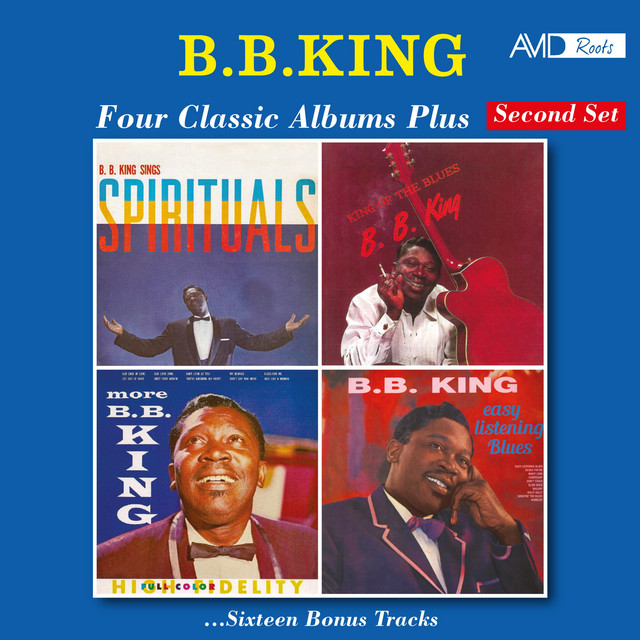
Four Classic Albums Plus (B.B. King Sings Spirituals / King of the Blues / More B.B. King / Easy Lis
B.B. King
Classic Blues
Electric Blues
Jazz Blues
2006
2
/5
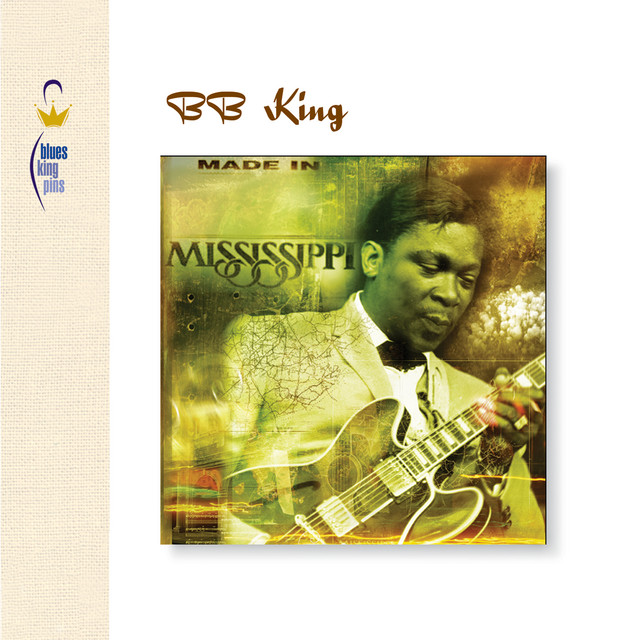
Blues Kingpins
B.B. King
Classic Blues
Electric Blues
2000
1
/5
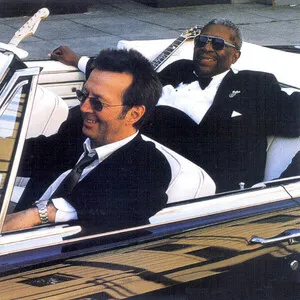
Riding With the King
B.B. King & Eric Clapton
Soul Blues
Blues
Blues Rock
1981
2
/5
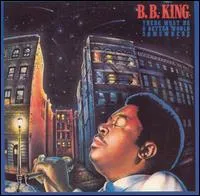
There Must Be a Better World Somewhere
B.B. King
Soul Blues
Blues
Blues Rock
1970
3
/5
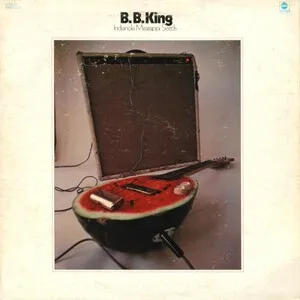
Indianola Mississippi Seeds
B.B. King
Electric Blues
Blues
Blues Rock
1969
4
/5
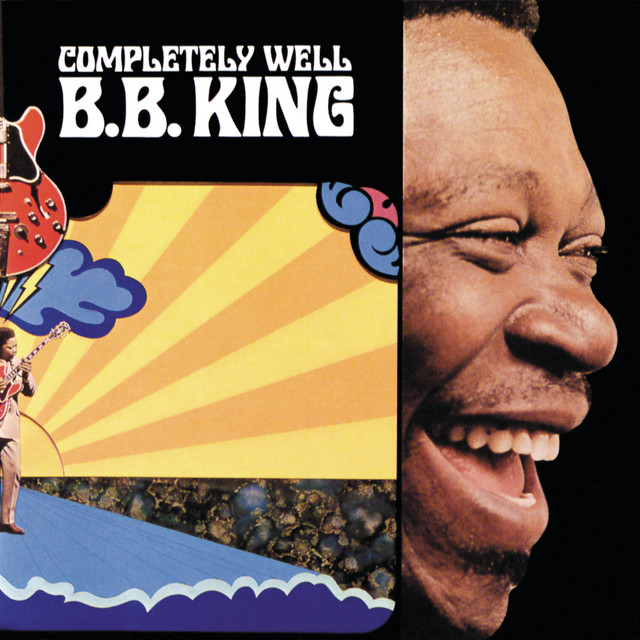
Completely Well
B.B. King
Soul Blues
Electric Blues
Blues
1969
3
/5
Live & Well
B.B. King
Soul Blues
Blues
Blues Rock
1968
2
/5
Blues on Top of Blues
B.B. King
Soul Blues
1968
3
/5
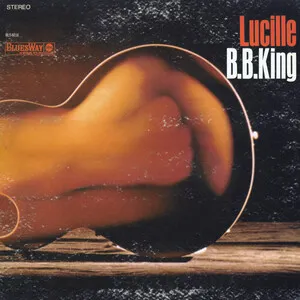
Lucille
B.B. King
Soul Blues
Blues
Blues Rock
1962
2
/5
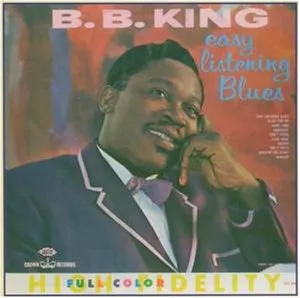
Easy Listening Blues
B.B. King
Electric Texas Blues
Blues
Blues Rock
1960
1
/5
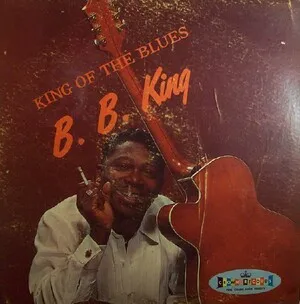
King of the Blues
B.B. King
Soul Blues
1960
2
/5
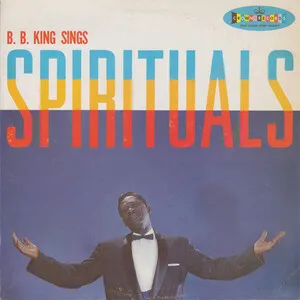
Sings Spirituals
B.B. King
Spirituals
Traditional Black Gospel
Blues
1958
1
/5
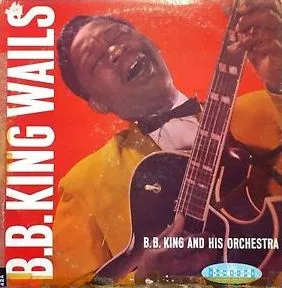
B.B. King Wails
B.B. King
Soul Blues
1957
2
/5
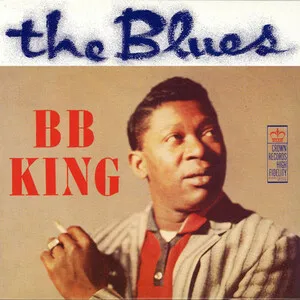
The Blues
B.B. King
Soul Blues
Blues
Blues Rock
Similar artists
3
/5
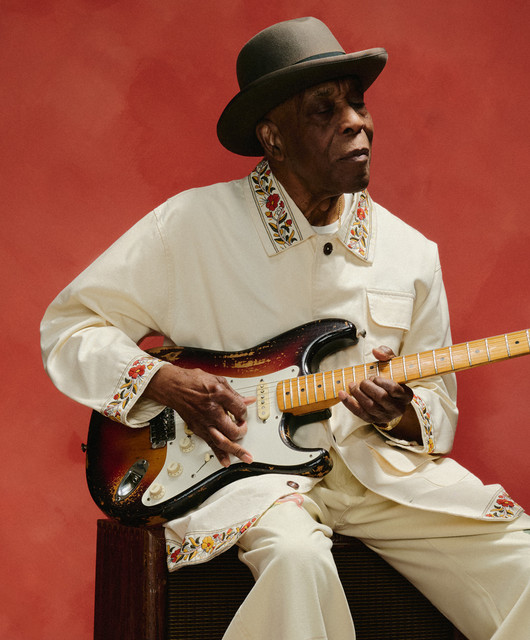
Buddy Guy
Blues
Chicago Blues
Electric Blues
3
/5
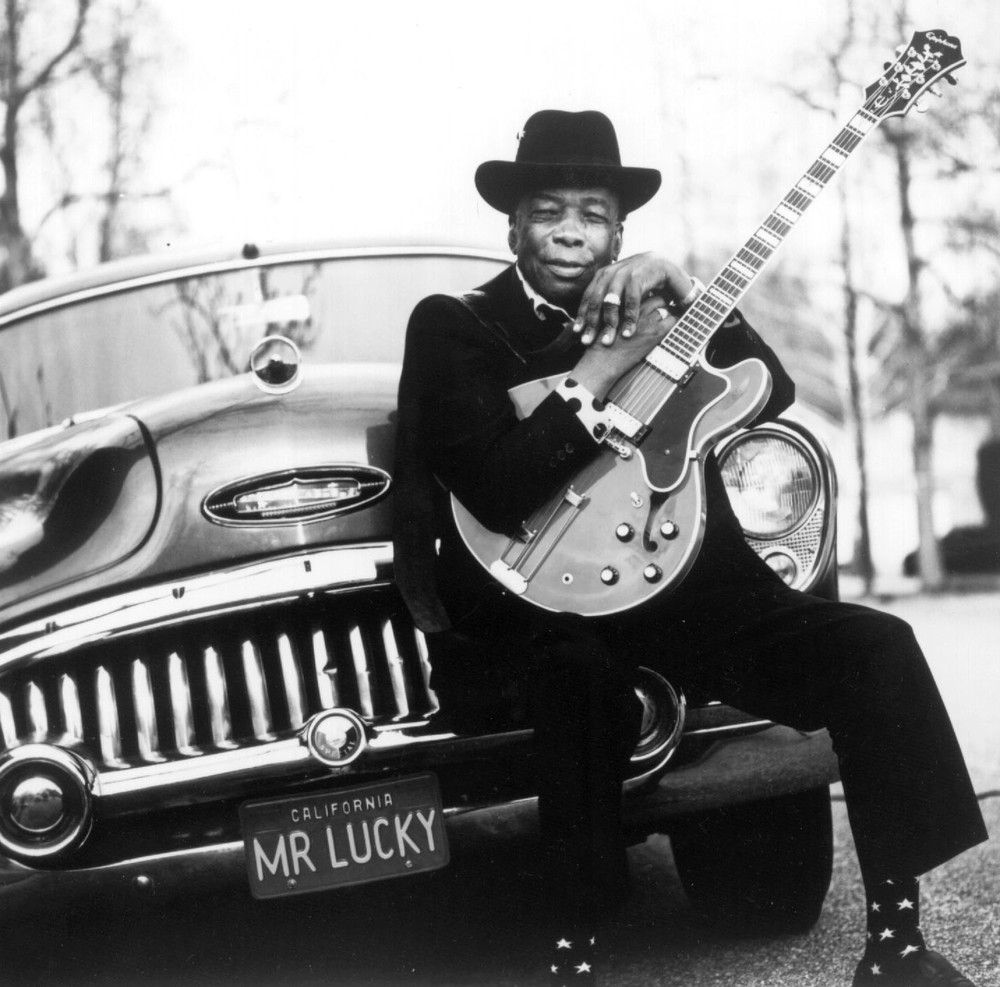
John Lee Hooker
Delta Blues
Blues
Country Blues
3
/5
Freddie King
Blues
Texas Blues
Electric Texas Blues
3
/5
Muddy Waters
Blues
Chicago Blues
Electric Blues
3
/5
Albert King
Blues
Soul Blues
Electric Blues
3
/5
Robert Cray
Classic Blues
Blues
Blues Rock
1
/5
Various Artists
Afro-Funk
Alternative Rock
Ambient
3
/5
Taj Mahal
Blues
Classic Blues
Country Blues
2
/5
Junior Wells
Chicago Blues
Blues
Blues Rock
3
/5
Otis Rush
Chicago Blues
Soul Blues
Blues
Download our mobile app
Get the Melodigging app and start digging for new genres on the go
Download on the App Store
Get it on Google Play
© 2026 Melodigging
Give feedback
Legal
Melodding was created as a tribute to
Every Noise at Once
, which inspired us to help curious minds keep digging into music's ever-evolving genres.