Genres
Artists
Albums
Make Music
Sign in
Sign in
Artists
Blues
Artists
Blues
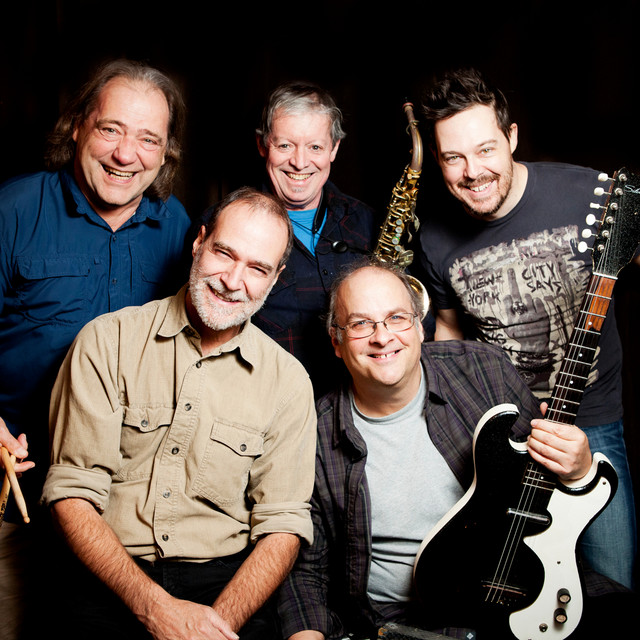
Blues Delight
2006
·
1 album
Listen
3
/5
Genres
Blues-Rock Guitar
Blues-rock guitar is a guitar-forward strain of blues-rock that emphasizes expressive lead playing, riff-driven songs, and the power-trio aesthetic. Its language merges electric blues phrasing with the volume, drive, and rhythmic insistence of rock. Typical hallmarks include overdriven tube-amp tone, vocal-like string bends and vibrato, minor/major pentatonic interplay, 12‑bar and verse–chorus song forms, and prominent guitar solos built from memorable motifs. While deeply rooted in American blues, the style crystallized during the mid‑1960s British blues boom and quickly cross‑pollinated with U.S. players, forging the “guitar-hero” era that would shape rock lead playing for decades.
Discover
Listen
Jazz Blues
Jazz blues is a hybrid idiom that merges the expressive, melodic language and 12‑bar song forms of the blues with the harmony, improvisational vocabulary, and rhythmic feel of jazz. Typically, it retains a blues structure (often the 12‑bar form) while enriching it with jazz devices such as ii–V progressions, secondary dominants, turnarounds, tritone substitutions, and extended chords (9ths, 11ths, 13ths). The feel commonly swings, with walking bass lines, comping on piano or guitar, blue notes, call‑and‑response phrasing, and solos that mix blues scales with mixolydian and bebop lines. The result ranges from earthy shuffles to urbane, harmonically sophisticated vehicles for improvisation, sitting comfortably between New Orleans roots, Kansas City riff traditions, and modern bop language.
Discover
Listen
Blues
Blues is an African American musical tradition defined by expressive "blue notes," call-and-response phrasing, and a characteristic use of dominant-seventh harmony in cyclical song forms (most famously the 12‑bar blues). It is as much a feeling as a form, conveying sorrow, resilience, humor, and hard-won joy. Musically, blues commonly employs the I–IV–V progression, swung or shuffled rhythms, and the AAB lyric stanza. Melodies lean on the minor/major third ambiguity and the flattened fifth and seventh degrees. Core instruments include voice, guitar (acoustic or electric), harmonica, piano, bass, and drums, with slide guitar, bends, and vocal melismas as signature techniques. Over time the blues has diversified into regional and stylistic currents—Delta and Piedmont country blues, urban Chicago and Texas blues, West Coast jump and boogie-woogie—while profoundly shaping jazz, rhythm & blues, rock and roll, soul, funk, and much of modern popular music.
Discover
Listen
Albums
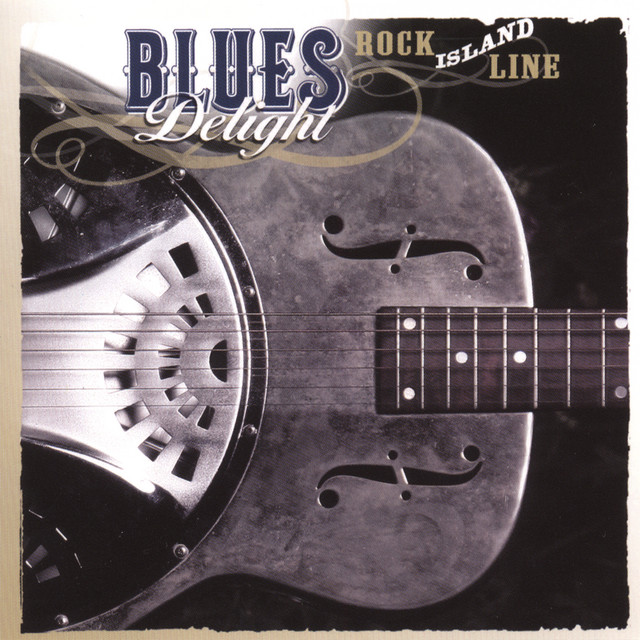
2006
Rock Island Line
Blues Delight
Blues-Rock Guitar
Similar artists
4
/5
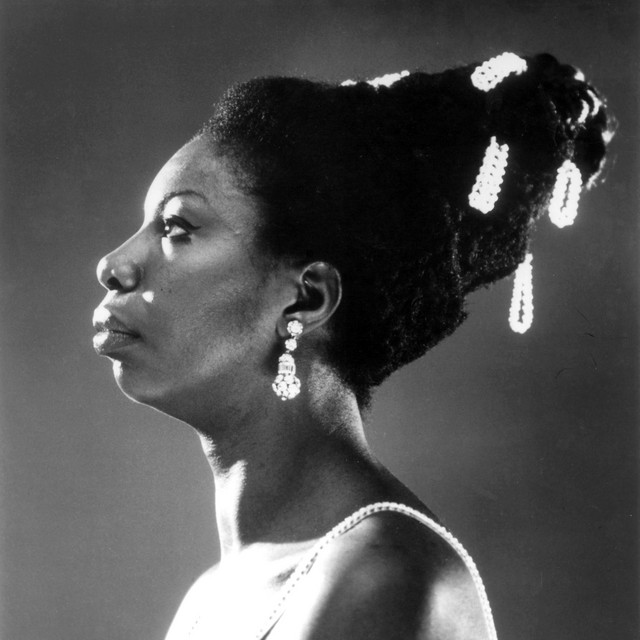
Nina Simone
Jazz
Soul Jazz
Vocal Jazz
4
/5
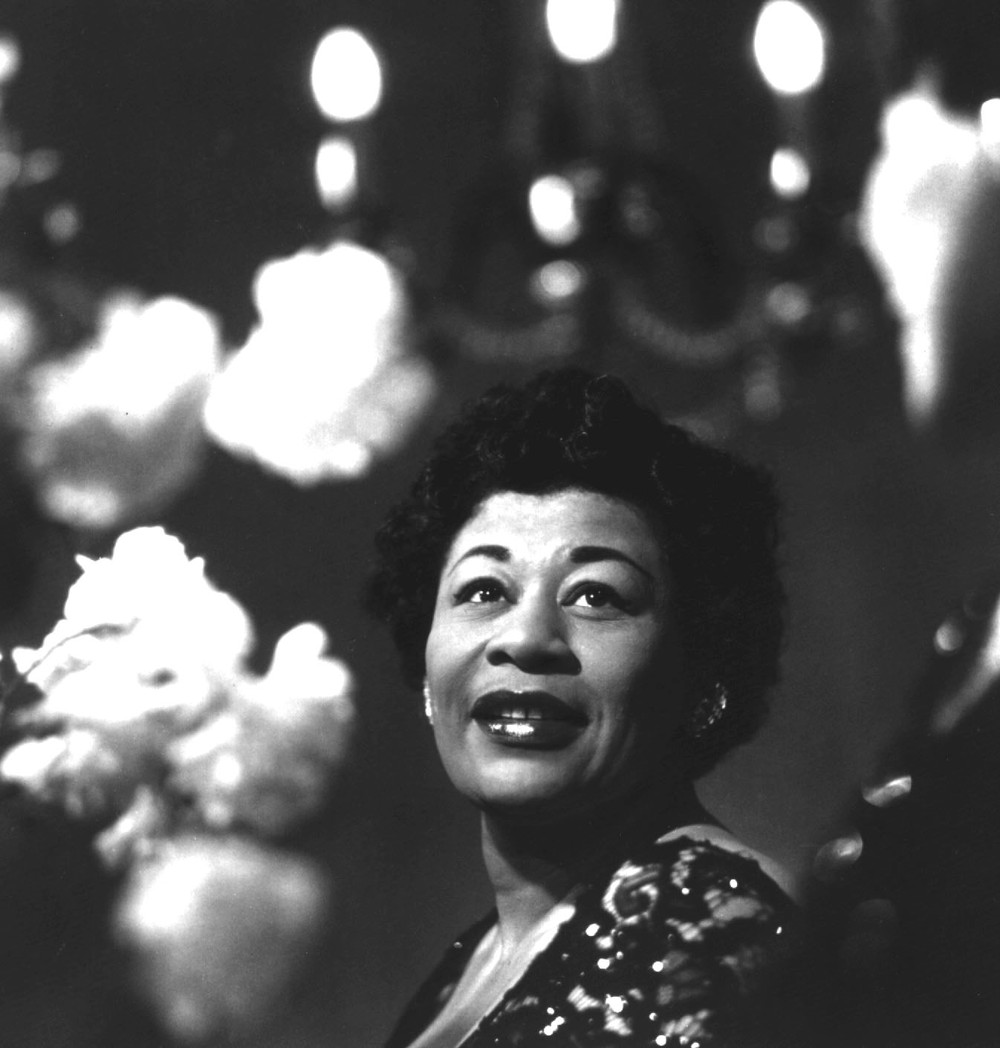
Ella Fitzgerald
Jazz
Swing
Vocal Jazz
4
/5
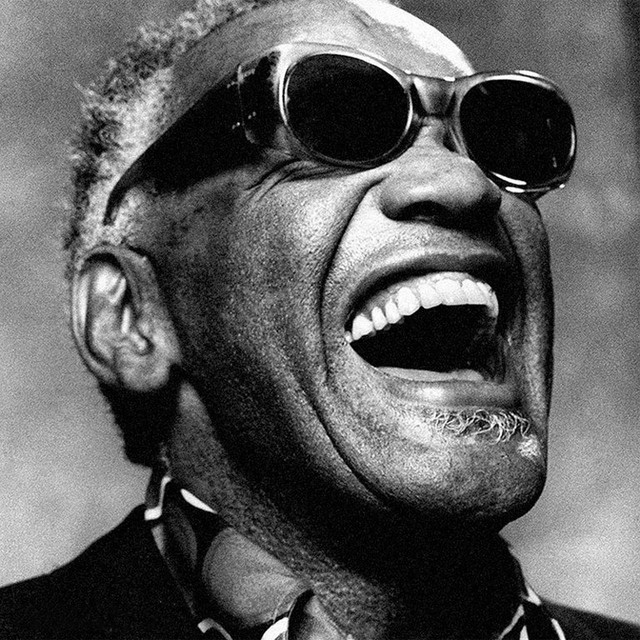
Ray Charles
Piano Blues
Jazz Blues
Soul
4
/5
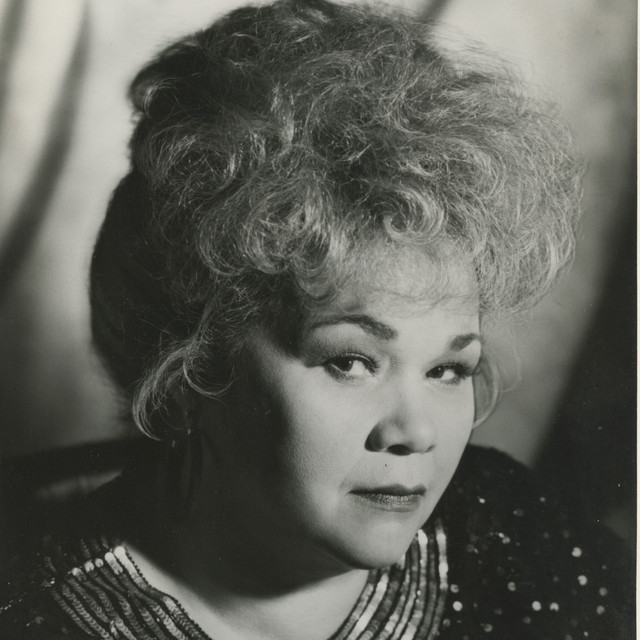
Etta James
Soul
Blues
Soul Blues
4
/5
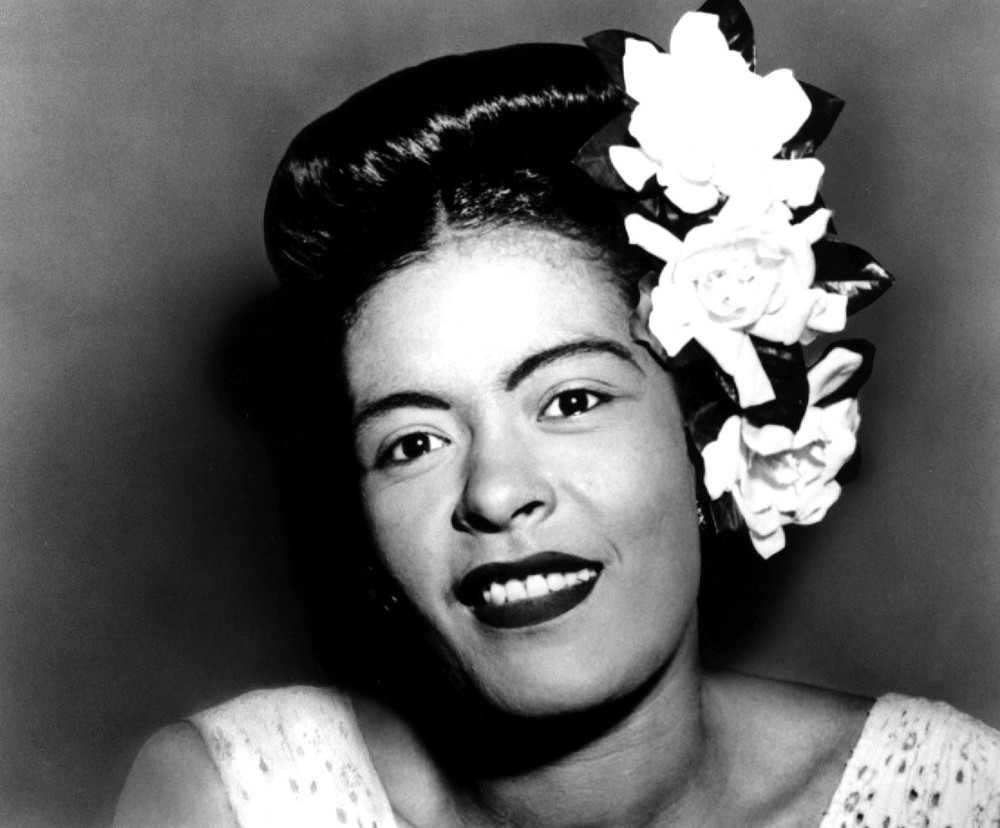
Billie Holiday
Harlem Renaissance
Jazz
Swing
4
/5
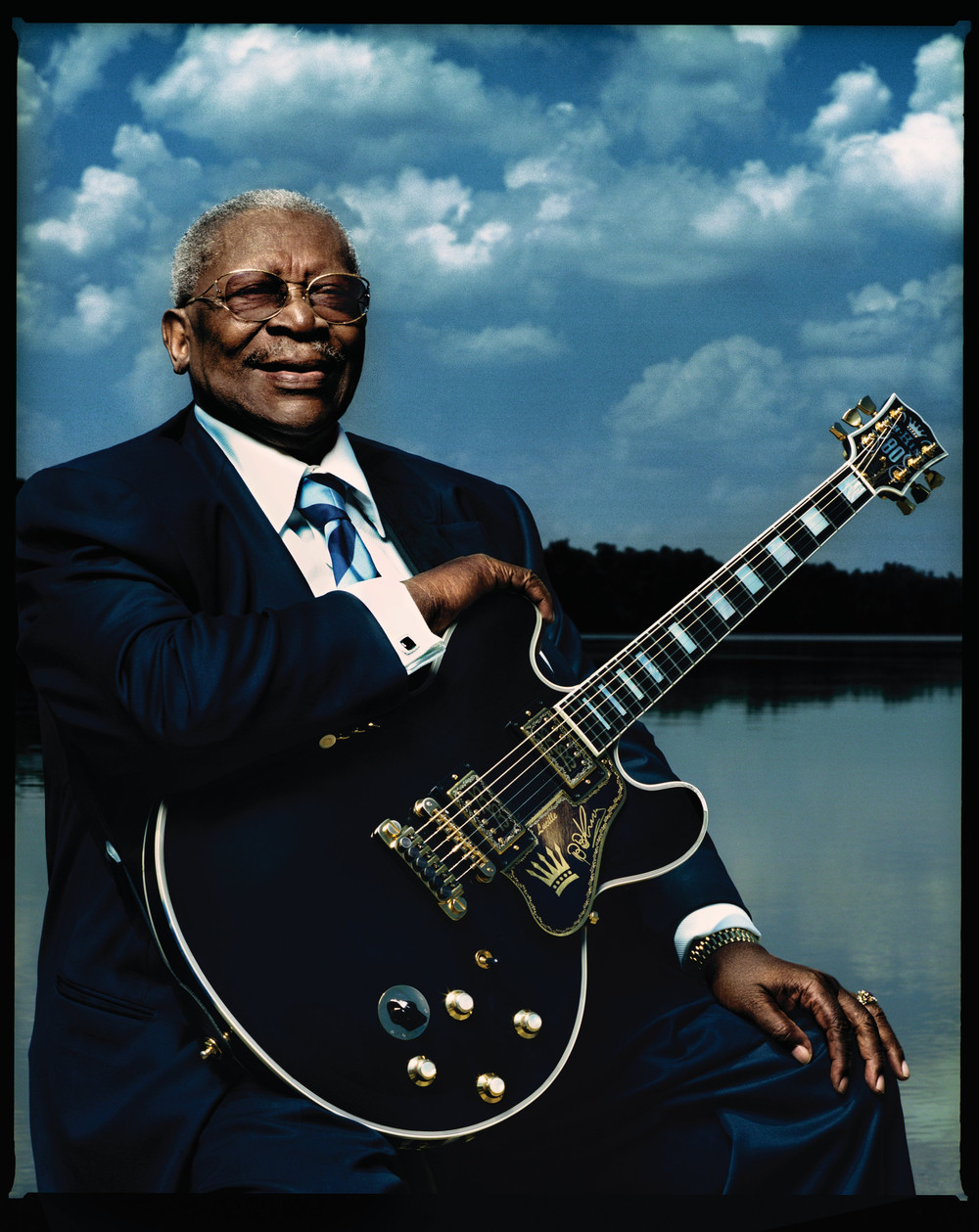
B.B. King
Blues
Soul Blues
Blues Rock
3
/5
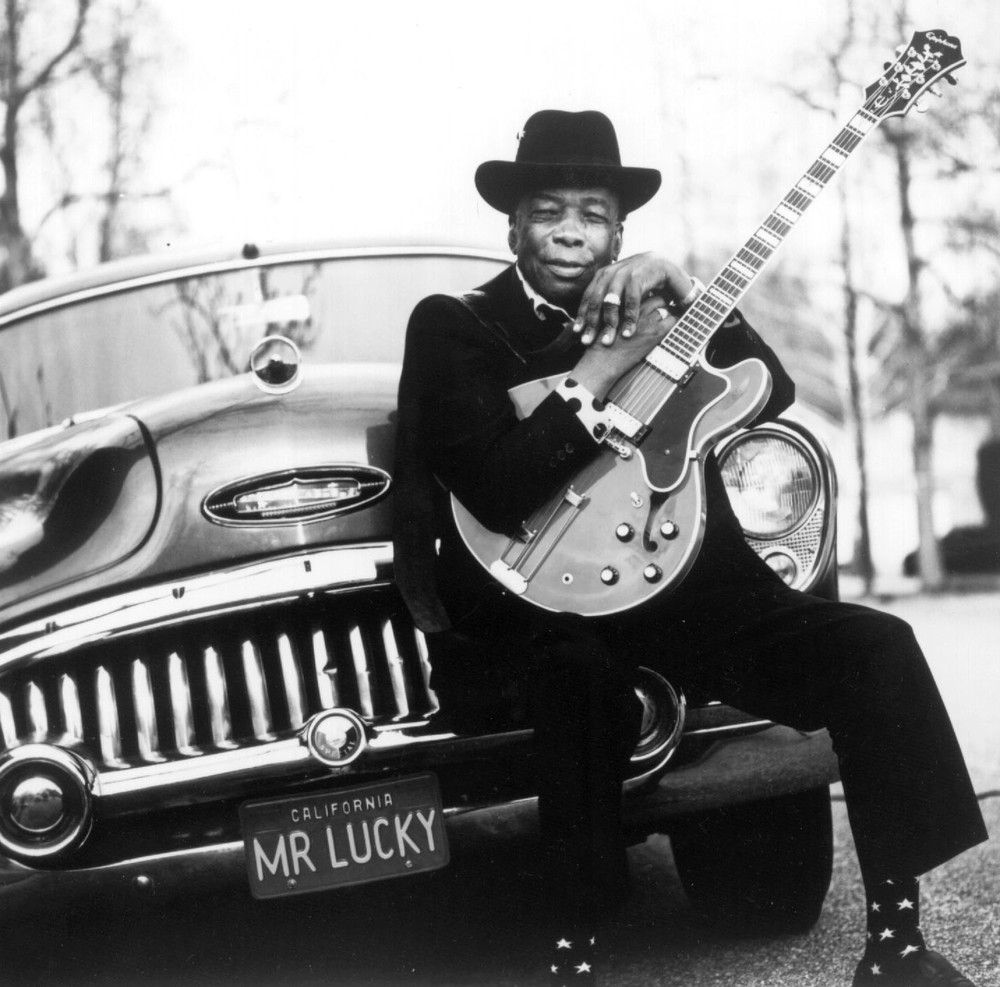
John Lee Hooker
Blues
Country Blues
Delta Blues
3
/5
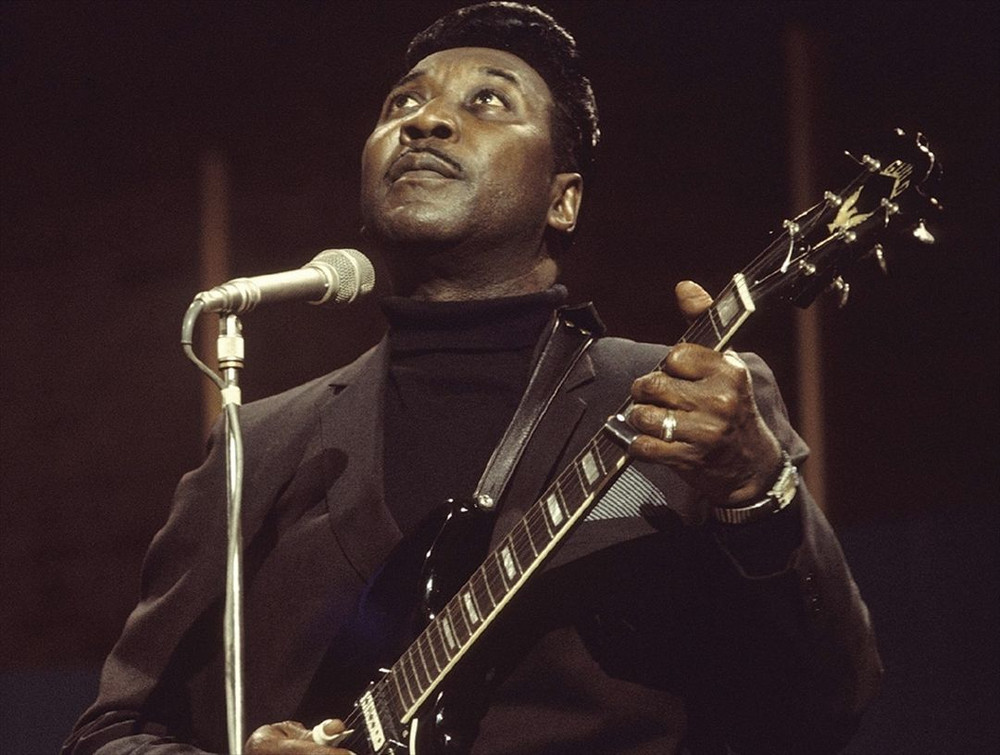
Muddy Waters
Blues
Chicago Blues
Electric Blues
3
/5
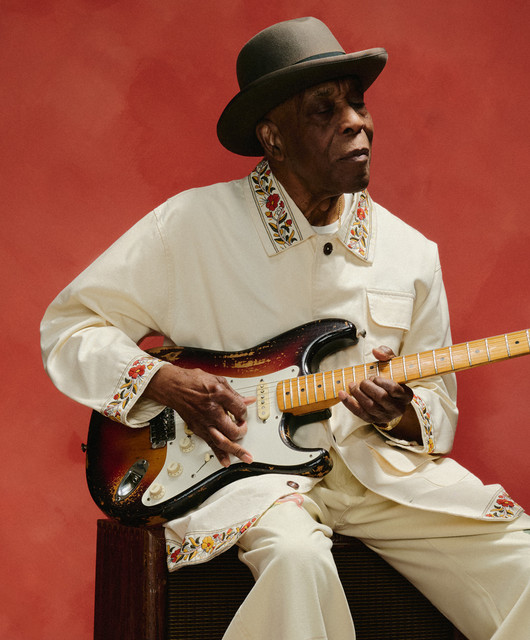
Buddy Guy
Blues
Chicago Blues
Electric Blues
3
/5
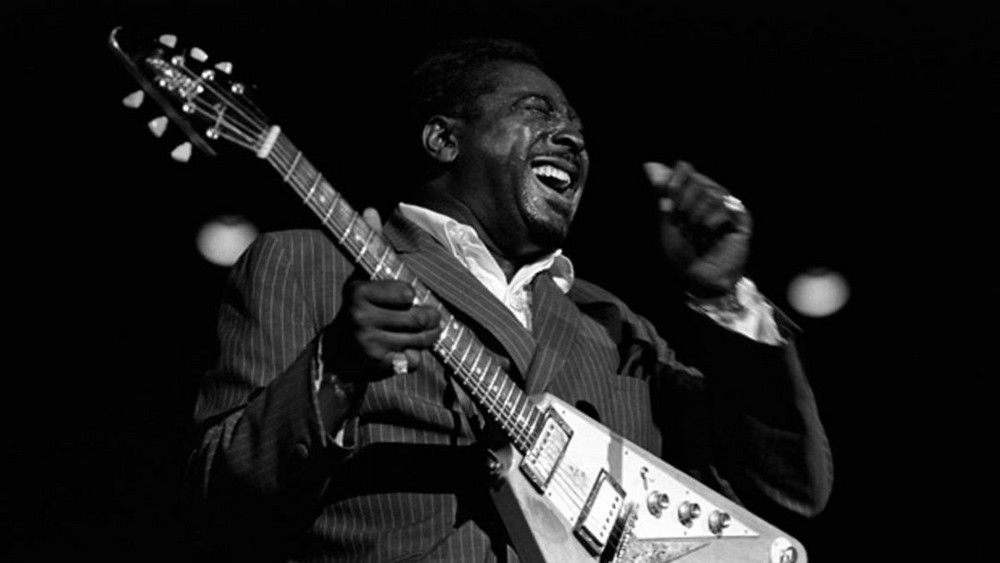
Albert King
Blues
Soul Blues
Electric Blues
Download our mobile app
Get the Melodigging app and start digging for new genres on the go
Download on the App Store
Get it on Google Play
© 2026 Melodigging
Give feedback
Legal
Melodding was created as a tribute to
Every Noise at Once
, which inspired us to help curious minds keep digging into music's ever-evolving genres.