Genres
Artists
Albums
Make Music
Sign in
Sign in
Artists
Totalism
Artists
Totalism
Bill Orcutt
2017–2026
·
6 albums
Listen
2
/5
Genres
Drone Folk
Drone folk is a strand of experimental and acoustic folk in which sustained tones, open tunings, and modal repetition create a continuous sonic bed (a “drone”) around which melodies slowly evolve. Drawing on American Primitive guitar, raga-inspired modality, minimalist process, and psychedelic folk ambience, the style favors long-form pieces, subtle dynamic shifts, and rich overtones over conventional verse–chorus structures. Instruments are often acoustic (steel‑string guitar, lute, banjo, dulcimer), but bowed, prepared, or lightly amplified techniques—along with harmonium, shruti box, tanpura, and field recordings—are common, yielding a meditative, atmospheric character. Instead of harmonic motion through chord changes, drone folk focuses on a stable tonal center, micro-variations in fingerpicking patterns, and timbral detail. The result is a music that feels timeless and immersive: pastoral yet hypnotic, intimate yet expansive.
Discover
Listen
Totalism
Totalism is a postminimalist current in American contemporary composition that emerged in New York City at the turn of the 1990s. It pairs minimalism’s driving repetition and clear harmonies with the simultaneous layering of contrasting tempos, meters, and rhythmic cycles. Where classic minimalism often favors a single steady pulse, totalism embraces multiple, coexisting pulses—often in rational tempo ratios (such as 3:2, 4:3, 5:4)—to create grooves that are both propulsive and metrically intricate. Its sound world frequently mixes amplified chamber ensembles with rock instrumentation (drum set, electric guitar and bass) and draws rhythmic inspiration from rock, funk, and global polyrhythms. Aesthetically, totalism sought a middle path between the austerity of modernist complexity and the smooth surfaces of early minimalism: music that is visceral and loud, yet intellectually and rhythmically detailed.
Discover
Listen
Experimental Rock
Experimental rock is a broad, exploratory branch of rock music that prioritizes innovation over convention. It stretches rock’s core instrumentation and song forms through unusual timbres, extended techniques, nonstandard tunings, chance procedures, and studio-as-instrument production. Drawing on avant-garde composition, free jazz, minimalism, and electronic/tape music, experimental rock often rejects verse–chorus structures in favor of drones, suites, collage, and improvisation. It embraces dissonance and noise as expressive tools, employs odd or fluid meters, and incorporates non-rock instruments, found sounds, and unconventional recording methods. The result is a lineage of music that treats rock not as a fixed style but as a laboratory for new sound worlds.
Discover
Listen
Free Improvisation
Free improvisation is a practice of spontaneous music-making that avoids fixed idioms, stylistic templates, and pre-agreed structures. Musicians prioritize listening, interaction, and the exploration of sound itself—timbre, texture, dynamics, and silence—over conventional melody, harmony, or pulse. Guitarist Derek Bailey popularized the notion of "non-idiomatic improvisation," describing a music that deliberately resists falling into recognizable genre habits. While often overlapping with free jazz and contemporary classical experimentalism, free improvisation is not confined to either. It welcomes any instrument or sound source—acoustic, electronic, or everyday objects—and frequently uses extended techniques, feedback, and unconventional performance gestures. Performances can range from whisper-quiet, pointillistic interplay to ferocious, high-energy noise, with the ensemble shaping form in real time through attention and constraint.
Discover
Listen
Experimental
Experimental music is an umbrella term for practices that prioritize exploration, process, and discovery over adherence to established genre norms. It embraces new sound sources, nonstandard tuning systems, indeterminacy and chance operations, graphic and open-form scores, extended techniques, and technology-led sound design (tape, electronics, computers, and live processing). Rather than a single style, it is a methodology and ethos: testing hypotheses about sound, structure, and performance, often blurring boundaries between composition, improvisation, sound art, and performance art. Listeners can expect unfamiliar timbres, unusual forms, and an emphasis on how music is made as much as the resulting sound.
Discover
Listen
Rock
Rock is a broad family of popular music centered on amplified instruments, a strong backbeat, and song forms that foreground riffs, choruses, and anthemic hooks. Emerging from mid‑20th‑century American styles like rhythm & blues, country, and gospel-inflected rock and roll, rock quickly expanded in scope—absorbing folk, blues, and psychedelic ideas—while shaping global youth culture. Core sonic markers include electric guitar (often overdriven), electric bass, drum kit emphasizing beats 2 and 4, and emotive lead vocals. Rock songs commonly use verse–chorus structures, blues-derived harmony, and memorable melodic motifs, ranging from intimate ballads to high‑energy, stadium‑sized performances.
Discover
Listen
Jazz
Jazz is an improvisation-centered music tradition that emerged from African American communities in the early 20th century. It blends blues feeling, ragtime syncopation, European harmonic practice, and brass band instrumentation into a flexible, conversational art. Defining features include swing rhythm (a triplet-based pulse), call-and-response phrasing, blue notes, and extended harmonies built on 7ths, 9ths, 11ths, and 13ths. Jazz is as much a way of making music—spontaneous interaction, variation, and personal sound—as it is a set of forms and tunes. Across its history, jazz has continually hybridized, from New Orleans ensembles and big-band swing to bebop, cool and hard bop, modal and free jazz, fusion, and contemporary cross-genre experiments. Its influence permeates global popular and art music.
Discover
Listen
Show all 7 genres
Albums
2026
1
/5
Giving unknown origin / Unexpectedly heavy
Bill Orcutt
Drone Folk
2024
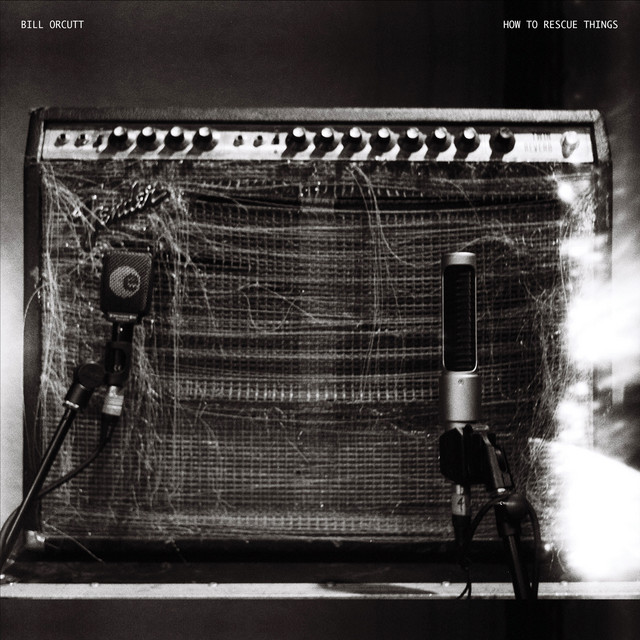
2
/5
How to Rescue Things
Bill Orcutt
Totalism
Free Improvisation
2023
1
/5
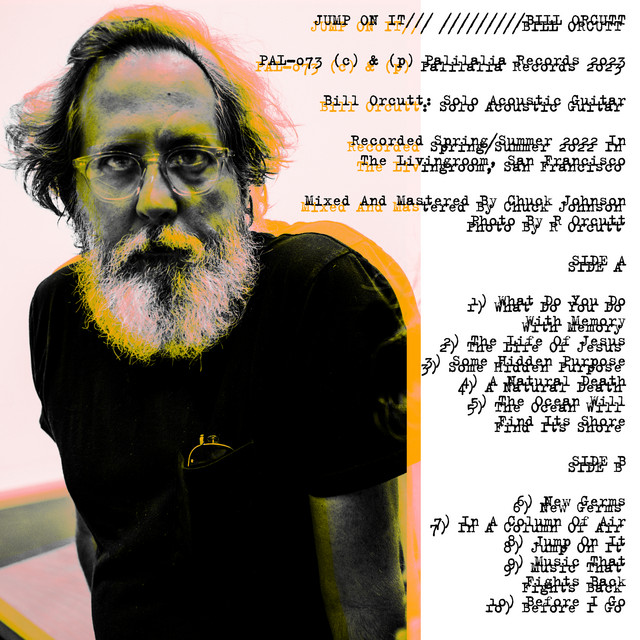
Jump On It
Bill Orcutt
Totalism
Experimental
2022
2
/5
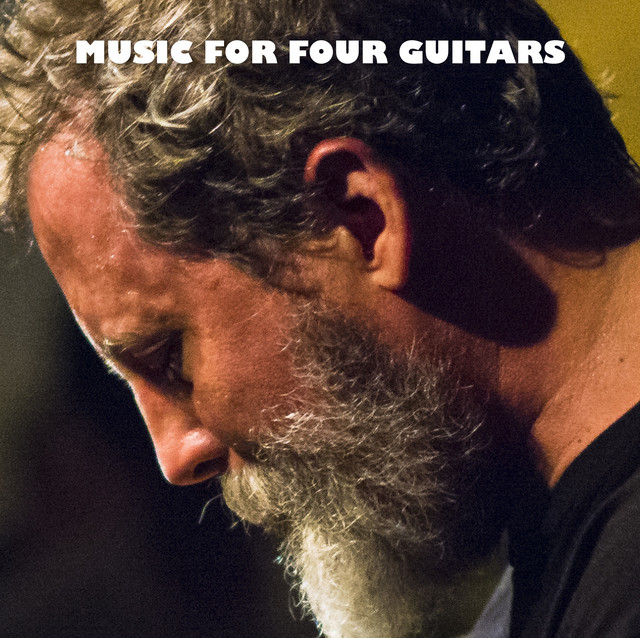
Music for Four Guitars
Bill Orcutt
Totalism
2019
1
/5
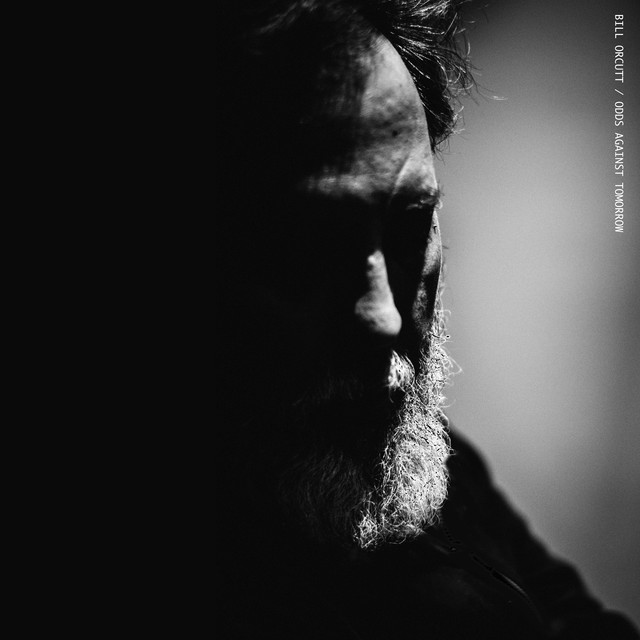
Odds Against Tomorrow
Bill Orcutt
Totalism
Experimental
Experimental Rock
2017
1
/5
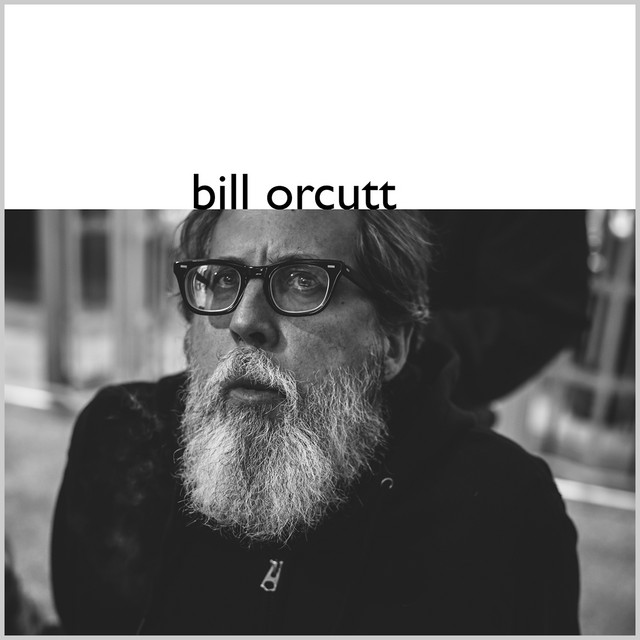
Bill Orcutt
Bill Orcutt
Totalism
Similar artists
2
/5
Horse Lords
Totalism
Experimental
Experimental Indie Rock
1
/5
John Zorn
Avant-Garde Jazz
Free Improvisation
Jazz
1
/5
Various Artists
Afro-Funk
Alternative Rock
Ambient
1
/5
Glenn Branca
Totalism
Avant-Garde
Experimental
2
/5
Liturgy
Totalism
Experimental Black Metal
Black Metal
4
/5
Brian Eno
Ambient
Krautrock
Experimental
3
/5
Nico
Experimental
Art Rock
Proto-Punk
3
/5
Stereolab
Experimental Rock
No Wave
Post-Rock
3
/5
Swans
Experimental Rock
Post-Rock
No Wave
3
/5
Boris
Gaian Doom
Drone
Drone Metal
Download our mobile app
Get the Melodigging app and start digging for new genres on the go
Download on the App Store
Get it on Google Play
© 2026 Melodigging
Give feedback
Legal
Melodding was created as a tribute to
Every Noise at Once
, which inspired us to help curious minds keep digging into music's ever-evolving genres.