Genres
Artists
Albums
Make Music
Sign in
Sign in
Artists
Jump Blues
Artists
Jump Blues
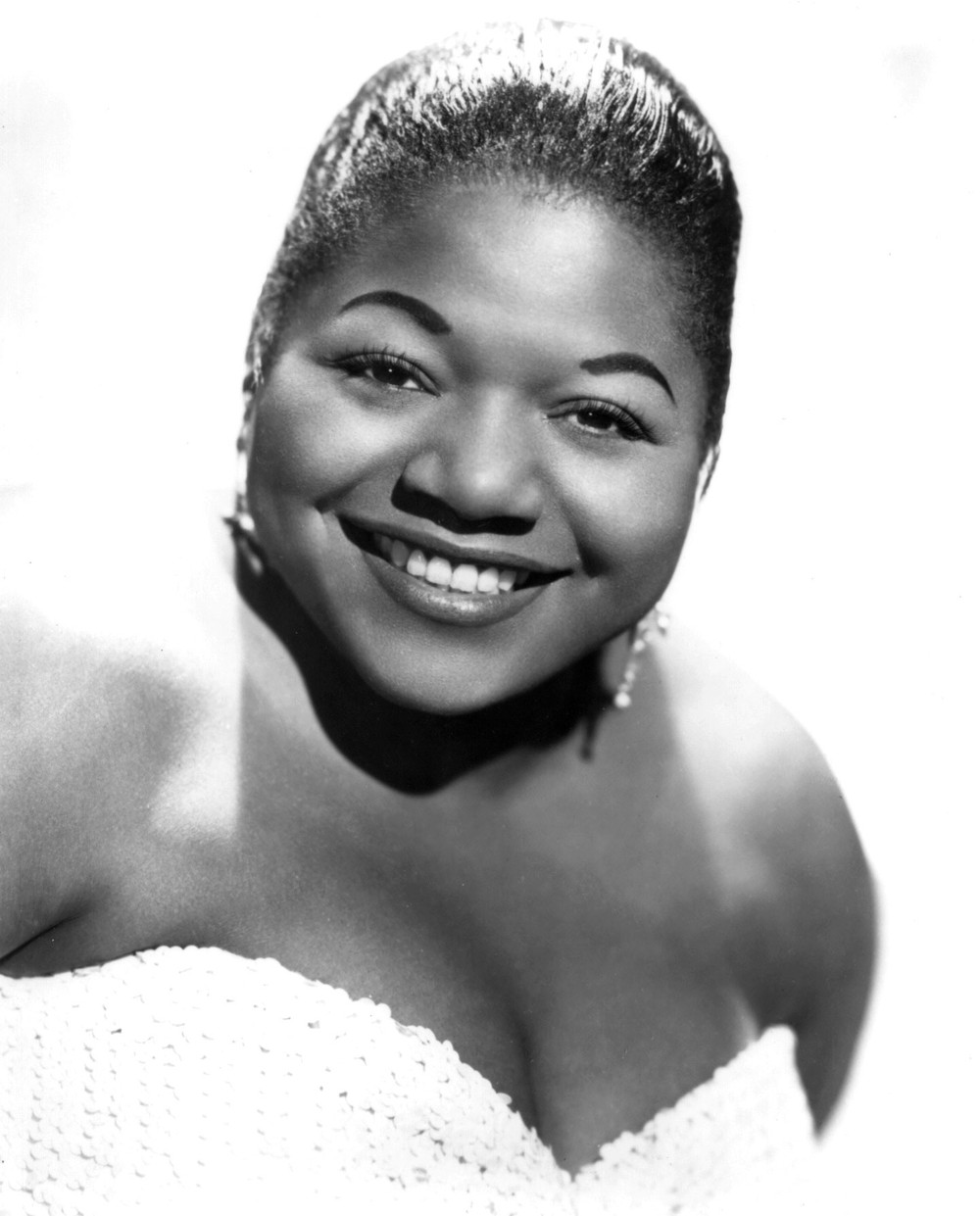
Big Maybelle
1953–1997
·
2 albums
Listen
2
/5
Genres
Gamecore
Gamecore is an internet-native electronic microgenre that fuses the timbres, melodies, and narrative tropes of classic and modern video game music with contemporary EDM songcraft. Its palette leans heavily on chiptune waveforms (square, triangle, noise), retro console/arcade sound effects, and leitmotif-style hooks, but frames them within club-forward rhythms and sound design drawn from electro house, future bass, glitch hop, dubstep, and drum & bass. The result is a bright, kinetic, and often nostalgic sound that feels like a “boss battle” drop or a euphoric level clear. Scenes and labels tied to VGM remix culture, doujin circles, and demoscene aesthetics helped codify the style, while streamers, esports content, and indie game culture amplified its reach.
Discover
Listen
Laboratorio
Laboratorio is a Brazilian micro‑scene within contemporary hip hop that coalesced around artist‑run collectives and label ecosystems (most visibly Laboratório Fantasma). It blends boom‑bap and modern trap sensibilities with MPB, samba, and neo‑soul harmony, placing lyricism and social commentary at the core. The sound is defined by sample‑friendly, groove‑rich beats, live percussion drawn from Afro‑Brazilian traditions, and melodic hooks that often nod to MPB and samba‑soul. Artists use Portuguese lyricism to address race, class, identity, and everyday life, pairing incisive bars with warm, humanized production and frequent collaborations across rap, R&B, and pop.
Discover
Listen
Northern Soul
Northern soul is a British dance and record‑collecting movement that champions fast, dramatic, and often obscure American soul singles from the mid‑1960s. Rooted in the mod scene, it favors Motown‑influenced 4/4 "stompers" with driving backbeats, tambourine, handclaps, punchy horns, and soaring vocals. Rather than a studio-born genre, northern soul is a club culture defined by DJs, dancers, and rare 7-inch singles. Its identity centers on high-tempo soul songs (typically 120–135 BPM), euphoric choruses, and romantic or inspirational themes that keep dancefloors moving through all‑night sessions.
Discover
Listen
Soul
Soul is a genre of popular music that blends the spiritual fervor and vocal techniques of African‑American gospel with the grooves and song forms of rhythm & blues and the harmonic palette of jazz and blues. It is defined by impassioned, melismatic lead vocals; call‑and‑response with backing singers; handclaps and a strong backbeat; syncopated bass lines; and memorable horn or string riffs. Typical instrumentation includes drum kit, electric bass, electric guitar, piano or Hammond organ, horns (trumpet, saxophone, trombone), and sometimes orchestral strings. Lyrically, soul ranges from love and heartbreak to pride, social commentary, and spiritual yearning. Regionally distinct scenes—such as Detroit’s Motown, Memphis/Stax, Muscle Shoals, Chicago, New Orleans, and Philadelphia—shaped different flavors of soul, while the style’s emotional directness and rhythmic drive made it a cornerstone of later funk, disco, contemporary R&B, and hip hop.
Discover
Listen
Jump Blues
Jump blues is a high‑energy, small‑combo offshoot of swing and urban blues that crystallized in the United States during the 1940s. It features driving boogie‑woogie piano patterns, a propulsive shuffle or backbeat, riffing horn sections (often led by tenor sax), and exuberant, shout‑style vocals. Songs typically use 12‑bar blues or related blues‑based forms at brisk tempos, with catchy call‑and‑response hooks between singer and horns. Lyrics frequently center on nightlife, romance, humor, and double entendres. The style’s compact arrangements, honking sax solos, and dance‑floor focus made it a jukebox staple and a crucial bridge from swing to rhythm and blues and early rock and roll.
Discover
Listen
Doo-Wop
Doo-wop is a vocal harmony–driven style of rhythm and blues that blossomed in mid-century urban America. Built around lead-tenor melodies, lush background harmonies, and playful nonsense syllables (the source of its name), the genre blends church-bred gospel techniques with street-corner spontaneity. Musically, doo-wop favors simple, singable chord cycles—especially the “’50s progression” (I–vi–IV–V)—a steady 4/4 or lilting 12/8 feel, and call-and-response between lead and backing parts. Arrangements range from a cappella to small combos with guitar, piano, bass, light drums, and occasional saxophone. Lyrically, the songs are often teen-centered: romance, longing, heartbreak, and devotion. The sound emerged in the late 1940s within African-American communities and soon resonated across ethnic lines, inspiring groups in cities such as New York, Philadelphia, Chicago, Detroit, and Los Angeles. Its polished harmonies, sweet ballads, and hooky refrains helped shape early rock and roll and later pop harmony traditions.
Discover
Listen
R&b
R&B (Rhythm and Blues) is a vocal- and groove-centered popular music tradition that blends blues tonality, jazz harmony, and gospel-inflected singing with a steady backbeat. It emphasizes expressive lead vocals, call-and-response, lush harmonies, and danceable rhythms. From its 1940s roots in African American communities to its later evolutions, R&B has continually absorbed and reshaped surrounding sounds—from jump blues and swing in the early days to soul, funk, hip hop, and electronic production in the contemporary era. Today, R&B ranges from intimate, slow-burning ballads to club-ready tracks, all tied together by a focus on feel, melody, and vocal performance.
Discover
Listen
Classic Blues
Classic blues (often called "classic female blues") is the early, urban, theater-bred form of the blues that flourished primarily in the 1920s. It is characterized by powerful lead vocalists—frequently women—fronting small jazz ensembles or a piano accompanist, with arrangements that translated the blues idiom to vaudeville stages and recording studios. Musically it typically uses the 12‑bar blues form, AAB lyric stanzas, swung or shuffle rhythms in 4/4, and prominent use of blue notes (flattened 3rd, 5th, and 7th). The style sits at the crossroads of Southern blues traditions, ragtime and early jazz, and the songcraft and professionalism of vaudeville and Tin Pan Alley. Classic blues differs from country/delta blues by its more formal arrangements, band instrumentation, and theatrical delivery. It launched the commercial “race records” era with Mamie Smith’s 1920 hit "Crazy Blues," and set the template for later jazz and R&B vocal performance.
Discover
Listen
Blues
Blues is an African American musical tradition defined by expressive "blue notes," call-and-response phrasing, and a characteristic use of dominant-seventh harmony in cyclical song forms (most famously the 12‑bar blues). It is as much a feeling as a form, conveying sorrow, resilience, humor, and hard-won joy. Musically, blues commonly employs the I–IV–V progression, swung or shuffled rhythms, and the AAB lyric stanza. Melodies lean on the minor/major third ambiguity and the flattened fifth and seventh degrees. Core instruments include voice, guitar (acoustic or electric), harmonica, piano, bass, and drums, with slide guitar, bends, and vocal melismas as signature techniques. Over time the blues has diversified into regional and stylistic currents—Delta and Piedmont country blues, urban Chicago and Texas blues, West Coast jump and boogie-woogie—while profoundly shaping jazz, rhythm & blues, rock and roll, soul, funk, and much of modern popular music.
Discover
Listen
Show all 9 genres
Albums
1997
3
/5
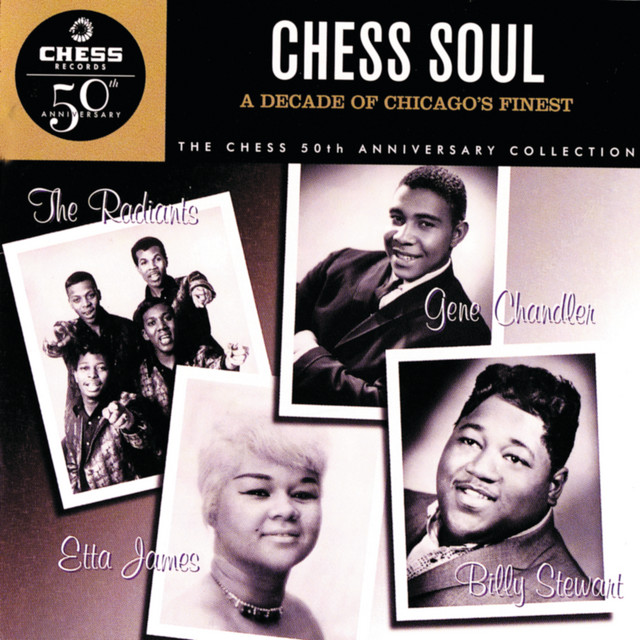
Chess Soul: A Decade Of Chicago’s Finest
Big Maybelle
Jump Blues
1953
1
/5
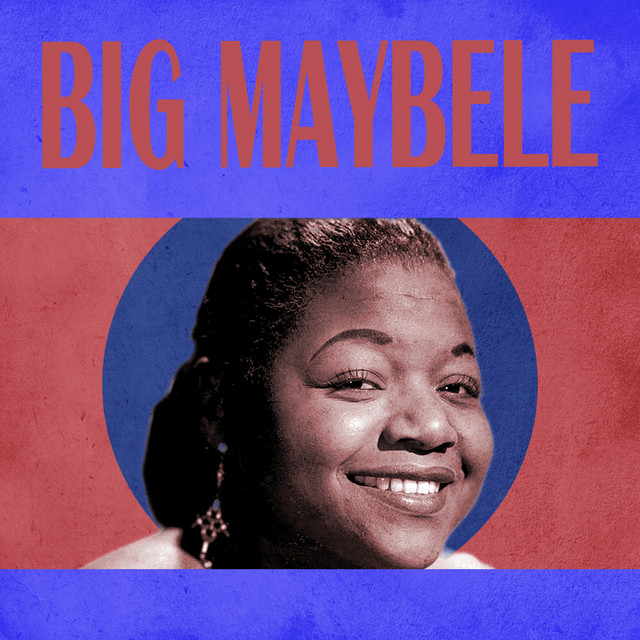
Presenting Big Maybelle
Big Maybelle
Jump Blues
Similar artists
1
/5
Various Artists
Soundtrack
Afro-Funk
Alternative Rock
2
/5
Big Joe Turner
Jump Blues
Blues
R&b
2
/5
Willie Dixon
Chicago Blues
Jump Blues
Blues
2
/5
Eddie "Cleanhead" Vinson
Jump Blues
Blues
Classic Blues
2
/5
Jimmy Witherspoon
Jump Blues
Blues
Classic Blues
2
/5
Johnny Copeland
Blues
Texas Blues
Electric Texas Blues
2
/5
Lowell Fulson
Blues
Classic Blues
Jump Blues
2
/5
Little Milton
Soul Blues
Blues
Chicago Soul
2
/5
Sonny Thompson
Blues
Boogie-Woogie
Doo-Wop
1
/5
Jimmy Burns
Blues
Blues Rock
Classic Blues
Download our mobile app
Get the Melodigging app and start digging for new genres on the go
Download on the App Store
Get it on Google Play
© 2026 Melodigging
Give feedback
Legal
Melodding was created as a tribute to
Every Noise at Once
, which inspired us to help curious minds keep digging into music's ever-evolving genres.