Genres
Artists
Albums
Make Music
Sign in
Sign in
Artists
French House
Artists
French House
Benjamin Diamond
2000
·
1 album
Listen
4
/5
Genres
Liquid Riddim
Liquid riddim is a melodic, atmospheric strain of riddim dubstep that fuses the sparse, half‑time bounce and call‑and‑response bass writing of riddim with the lush pads, emotive chord progressions, and airy textures of liquid drum and bass. Compared with heavier festival riddim, liquid riddim favors fluid, legato bass timbres, glassy arpeggios, and generous reverb and delay. The result is a sound that remains dance‑floor friendly at 140 BPM yet leans introspective, dreamy, and sentimental, often using water‑like foley, silky supersaw layers, and soft vocal chops to enhance its “liquid” aesthetic.
Discover
Listen
Deep Deep House
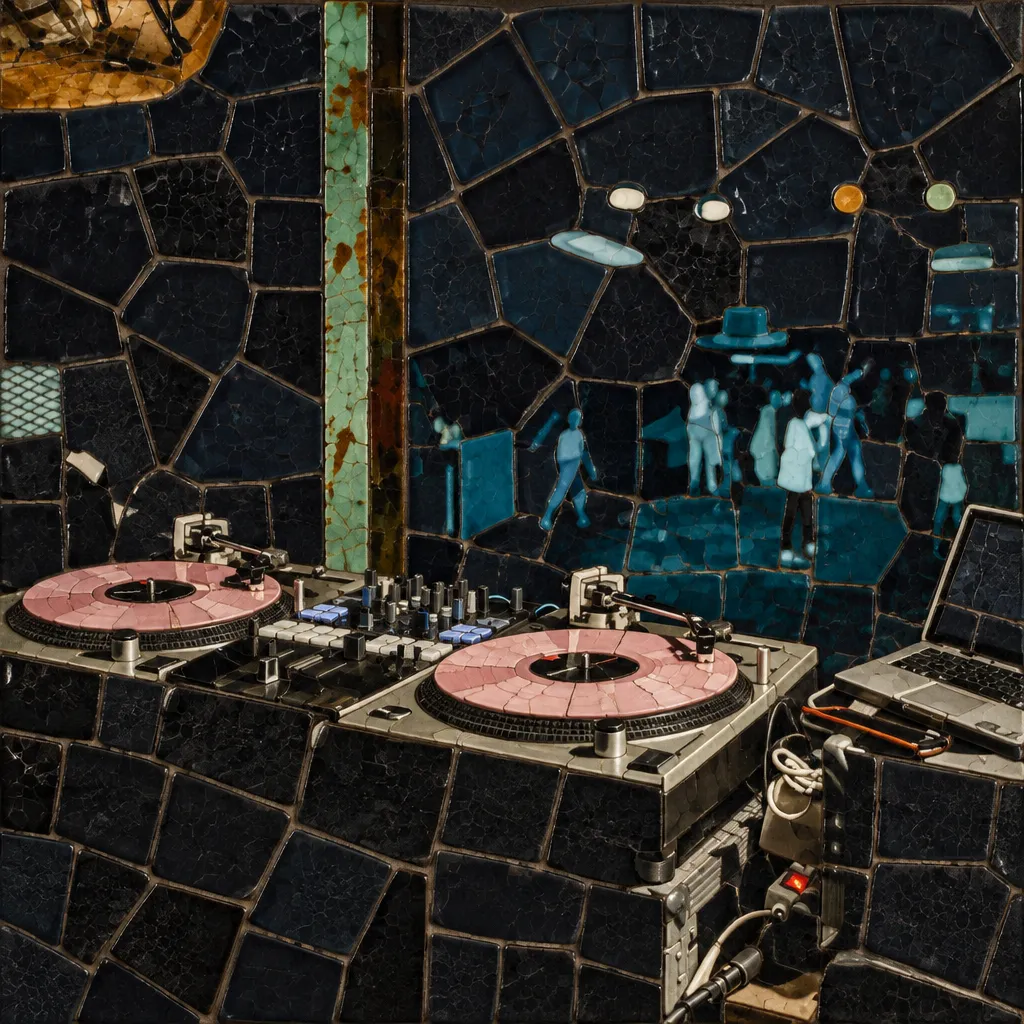
Deep deep house is a late-evolution branch of deep house that emphasizes warmth, space, and subtlety over overt hooks or peak-time energy. Compared with classic deep house, it leans even more toward minimal, dub-inflected textures, extended harmonies, and long atmospheric tails. Tracks typically feature understated yet weighty low end, soft Rhodes or pad chords rich in 7ths/9ths, lightly swung percussion, and carefully sculpted ambience. The mood is intimate and immersive—club music that invites close listening as much as dancing—often suited to small rooms, lounges, after-hours sets, and sunset/sunrise moments.
Discover
Listen
Big Room House
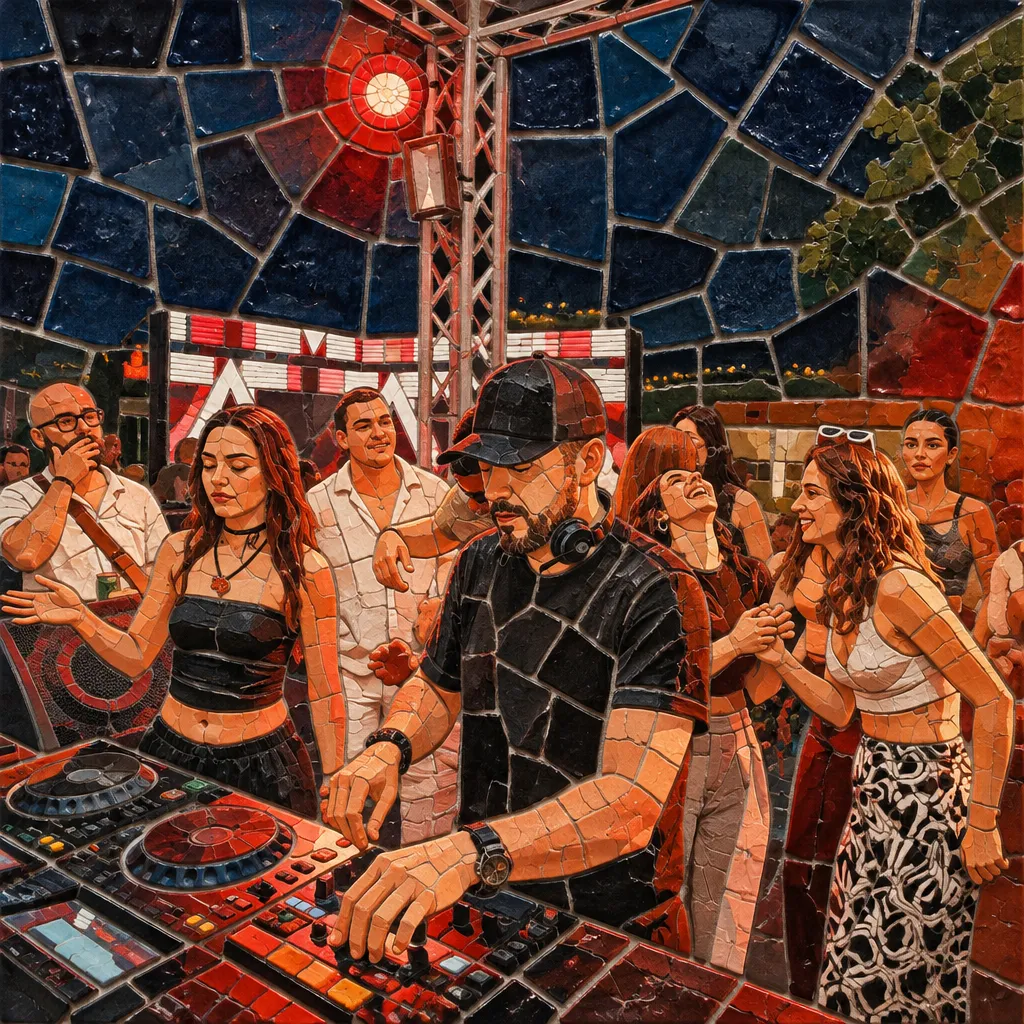
Big room house is a festival-focused strain of EDM built for massive sound systems and outdoor main stages. It typically runs around 126–132 BPM (most commonly 128), uses four-on-the-floor kick patterns, and features huge, simple lead riffs designed to be instantly memorable to large crowds. A defining trait is the contrast between cinematic, reverb-washed breakdowns and ultra-dry, percussive drops driven by a powerful kick, sub, and a few bold supersaw or horn-like synth stabs. Arrangements lean on dramatic builds with snare rolls, risers, and crowd-hyping vocal chops, culminating in drops that emphasize impact over harmonic complexity.
Discover
Listen
Deep Deep Tech House
Deep deep tech house is a particularly stripped‑back, hypnotic strain of tech house that leans heavily into deep house harmony and minimal, dub‑tinged textures. It keeps the 4/4 groove and club functionality of house while favoring restrained arrangements, long tension arcs, and subtle sound‑design over big breakdowns. Typical tempos sit around 120–126 BPM; drums emphasize tight 909‑style hats and crisp, short kicks; basslines are warm, rolling subs that lock with lightly swung percussion; harmonic content tends to be sparse—muted chord stabs, airy pads, and occasional soulful vocal fragments used as texture rather than focal hooks. The overall aim is an immersive “head‑down” flow that rewards long blends and extended sets. The palette and structure trace back to tech house’s fusion of house and techno and to deep house’s smoother harmonies.
Discover
Listen
The Wave
The Wave is a loosely defined cluster of American post-hardcore/emo bands that surged in the early 2010s as emo-pop’s mainstream moment faded. The name was a tongue‑in‑cheek scene tag that stuck in press coverage, but it points to a real overlap in sound, ethos, and touring networks. Musically, The Wave fuses the urgency of 1990s post‑hardcore and screamo with confessional, literate lyric writing associated with emo. Expect shouted or half‑sung/half‑spoken vocals, dynamic quiet‑loud builds, intricate but driving drums, and guitar textures that shift between glassy clean arpeggios and overdriven, emotive climaxes. The songs often emphasize catharsis, narrative detail, and community-minded DIY presentation.
Discover
Listen
Uk Jackin
UK jackin is a bass-forward strain of house and UK garage that emerged in the UK during the early 2010s. It blends the swing and shuffle of garage with the chunky, percussive drive of house, emphasizing rubbery low‑end riffs, organ stabs, and chopped R&B or soul vocals. Compared with classic Chicago jackin’ house, the UK variant is darker and punchier, drawing heavily from bassline and UK bass aesthetics. Tracks typically sit around 124–130 BPM, use swung drums and syncopated bass patterns, and are arranged with DJ‑friendly intros, tension‑building breakdowns, and emphatic drops.
Discover
Listen
Bérite Club
Bérite club is a Paris-born strain of hybrid club music that emerged in the late 2010s. It fuses UK soundsystem energy (grime, UK funky, bass) with Afro-diasporic and Latin rhythms (dembow/reggaeton, dancehall, gqom) and the textural experimentation of deconstructed club. The style favors elastic, sub-heavy low-end, off-kilter percussion, chopped vocal shards, and rapid switch‑ups. Producers often juxtapose stark, industrial hits with trancey pads or glossy rave stabs, keeping arrangements DJ‑functional yet unpredictable. Tempos typically range from 95–140 BPM, oscillating between halftime dembow lurch and propulsive UK‑funky or techno momentum.
Discover
Listen
Chill Breakcore
Chill breakcore is a micro-style that softens the jagged edges of classic breakcore with lush ambience, dreamy pads, and emotive melodies. It retains the genre’s telltale chopped Amen breaks, granular edits, and breakneck rhythmic vocabulary, but tempers them with downtempo moods, lo‑fi textures, and vaporous sound design. Producers often work at drum-and-bass or breakcore tempos (typically 150–175 BPM) while shaping the overall feel to be intimate, melancholic, and relaxed—sometimes even half‑time—so the beats feel intricate but weightless. The result sits somewhere between atmospheric jungle, IDM, and vaporwave: breakbeats that shimmer instead of bludgeon, and harmony that leans nostalgic rather than abrasive.
Discover
Listen
Deep Euro House
Deep Euro House is a European-bred, melodically rich branch of deep house that blends club-ready four‑on‑the‑floor grooves with warm, emotive sound design and pop-aware songcraft. It favors lush pads, silky basslines, soft piano or guitar stabs, and subtly processed vocals, often in minor keys with bittersweet chord changes. Compared with classic Chicago deep house, Deep Euro House leans more cinematic and refined: filtered synth swells, sidechained textures, airy reverbs, and clean, modern low end. Tempos typically sit around 118–124 BPM, with grooves that feel unhurried yet propulsive—equally at home on late-night dancefloors and in headphone listening. The "Euro" aspect reflects not only its geography (Germany, Switzerland, France, the Netherlands, Austria, Belgium) but also a melodic sensibility shaped by European club culture, indie electronica, and Balearic moods: wistful, romantic, and polished without losing house’s foundational swing.
Discover
Listen
Deep Funk Ostentacao
Deep funk ostentação is a moody, late‑night variant of São Paulo’s funk ostentação, emphasizing deeper sub‑bass, sparse percussion, and atmospheric pads while retaining the genre’s themes of luxury, status, and upward mobility. Compared with the brighter, EDM‑leaning hits of ostentação in the early 2010s, the “deep” approach strips arrangements down to hypnotic tamborzão grooves, 808 low‑end, and minimal, minor‑key synth motifs. Vocals often sit closer to the beat, with autotune and chant‑like hooks, but the lyrical focus remains on conspicuous consumption (cars, brands, nightlife) filtered through a more introspective, nocturnal aesthetic.
Discover
Listen
Deep Tropical House
Deep tropical house is a mellow, low-end–rich offshoot of tropical house that blends the genre’s sunlit, beachy timbres (steel or mallet-like plucks, airy flutes, nylon-guitar or marimba motifs) with the smooth, subterranean warmth of deep house. Typically sitting around 100–115 BPM, it favors a steady four-on-the-floor kick, soft off-beat hats, hand percussion (shakers, congas), and a sidechained, rounded sub or sine/saw bass. Pads and keys are lush but restrained, with long reverbs and delays creating a humid, enveloping space. Vocals tend to be intimate and breathy, often centering nostalgic, romantic, or feel-good themes. Compared with mainstream tropical house, deep tropical house is less syrupy and more nocturnal: fewer big-room pop flourishes, more low-mid warmth, deeper grooves, and a calmer, poolside-after-dark atmosphere.
Discover
Listen
Drift
Drift is a contemporary micro-style of ambient centered on slowly evolving tonal beds, gentle tape-worn textures, and an emphasis on atmosphere over event. It favors long decays, soft-focus harmonies, and minimal or absent percussion so that sounds seem to hover and "drift" in place. Production typically blends synth pads, processed guitar, and found sounds with heavy use of reverb, delay, and subtle modulation. Compared to classic dark ambient, drift is warmer and more consonant; compared to new age, it is more textural and reductionist. The result is music designed for deep listening, sleep, study, or contemplative environments.
Discover
Listen
G-House
G-house ("gangsta house") is a club-focused fusion of house music and hip-hop, characterized by dark, low-slung basslines, shuffling house drums, and rap vocals or samples with a streetwise, West Coast swagger. Typically sitting around 120–126 BPM, it borrows the groove and arrangement discipline of deep/tech house while foregrounding the attitude and timbral aesthetics of gangsta rap and G-funk. Vocal hooks are often pitched, chopped, or looped, sitting over minimal, sub-heavy bass figures and crisp 909/808-derived percussion. The result is music that feels both sleek and menacing—built for late-night dancefloors with a noir, urban edge.
Discover
Listen
Progressive Electro House
Progressive electro house is a festival‑ready hybrid that marries the long, melodic builds and emotive chord progressions of progressive house with the gritty basslines, saw‑lead stabs, and syncopated drops of electro house. Tracks typically run around 126–130 BPM in 4/4, featuring wide supersaw stacks, side‑chained pads, and bright, anthemic toplines that crescendo into aggressive, electro‑flavored drops. The style thrived during the early 2010s EDM boom, with Dutch and Scandinavian producers pushing a sound designed for big‑room and main‑stage impact. Production aesthetics favor layered synth leads (Serum, Sylenth1, Massive), tight festival kicks, off‑beat open hats, sweeping risers, and snare‑roll builds, while arrangements spotlight tension‑and‑release between harmonic, euphoric breakdowns and powerful, synth‑driven drops.
Discover
Listen
Shimmer Pop
Shimmer pop is a glossy, hook-forward offshoot of indie pop that emphasizes bright, “glassy” textures and dreamy atmospheres. Its sound is defined by clean, chorus‑drenched guitars or twinkling synth arpeggios, lush pads, and wide, sparkling high‑end detail that gives the music a literal sense of shimmer. Production often merges retro new‑wave and synth‑pop colors with modern indietronica polish, pairing side‑chained synths and gated reverbs with crisp, contemporary drum programming. Melodies are unabashedly pop, while the lyrics frequently explore romantic longing, youthful nostalgia, and late‑night introspection. Tempos typically sit in the mid‑tempo range, with steady 4/4 grooves or lightly syncopated patterns that keep the music buoyant and danceable without becoming aggressive. The overall mood balances optimism and wistfulness, creating a sound that feels both neon‑bright and emotionally tender.
Discover
Listen
Speedrun
Speedrun is a gaming-adjacent EDM microgenre designed for adrenaline, focus, and momentum. It blends hyper-energetic drops with catchy, game-like melodies and rapid switch‑ups that mirror the pace and tension of timed gameplay. Typically sitting between 140–175+ BPM, the style pivots between half‑time dubstep weight, electro/complextro riffing, glitchy fills, and drum & bass acceleration. Producers favor bright, synthetic leads (often with chiptune flourishes), tightly sidechained supersaws, and animated bass design that stays clean and punchy for streaming. The mood is triumphant, high‑octane, and “level‑up” cinematic—made to keep speedrunners and viewers locked in.
Discover
Listen
Edm
EDM (Electronic Dance Music) refers to the mainstream, festival-oriented wave of electronic dance styles that rose to global prominence in the early 2010s. It emphasizes high-energy drops, ear-catching toplines, and crowd-pleasing arrangements designed for large stages and mass audiences. Musically, EDM typically sits around 124–130 BPM with a strong four-on-the-floor kick, wide supersaw leads, bright plucks, and heavily sidechained pads and basses for a pumping feel. Tracks are structured around tension-and-release: intros and builds lead to explosive drops, followed by breakdowns that rebuild energy. Vocals and pop-style songwriting frequently appear, enabling crossover success on radio and streaming platforms.
Discover
Listen
Rally House
Rally house is a high-energy, festival-oriented strain of house music engineered to rally large crowds in arenas, stadiums, and mainstage settings. It blends the punchy four-on-the-floor of big-room and electro house with anthem-like melodic hooks, noisy risers, and explosive drops meant to trigger mass call-and-response. Typical productions sit around 126–130 BPM, feature supersaw leads, hard-hitting kicks with strong sidechain pumping, and dramatic, tension-building breakdowns that bloom into maximal, chant-ready drops. Producers frequently use crowd chants, claps, brass stabs, snare rolls, white-noise sweeps, and simple, triumphant chord progressions to maximize immediacy and impact.
Discover
Listen
Connecticut Indie
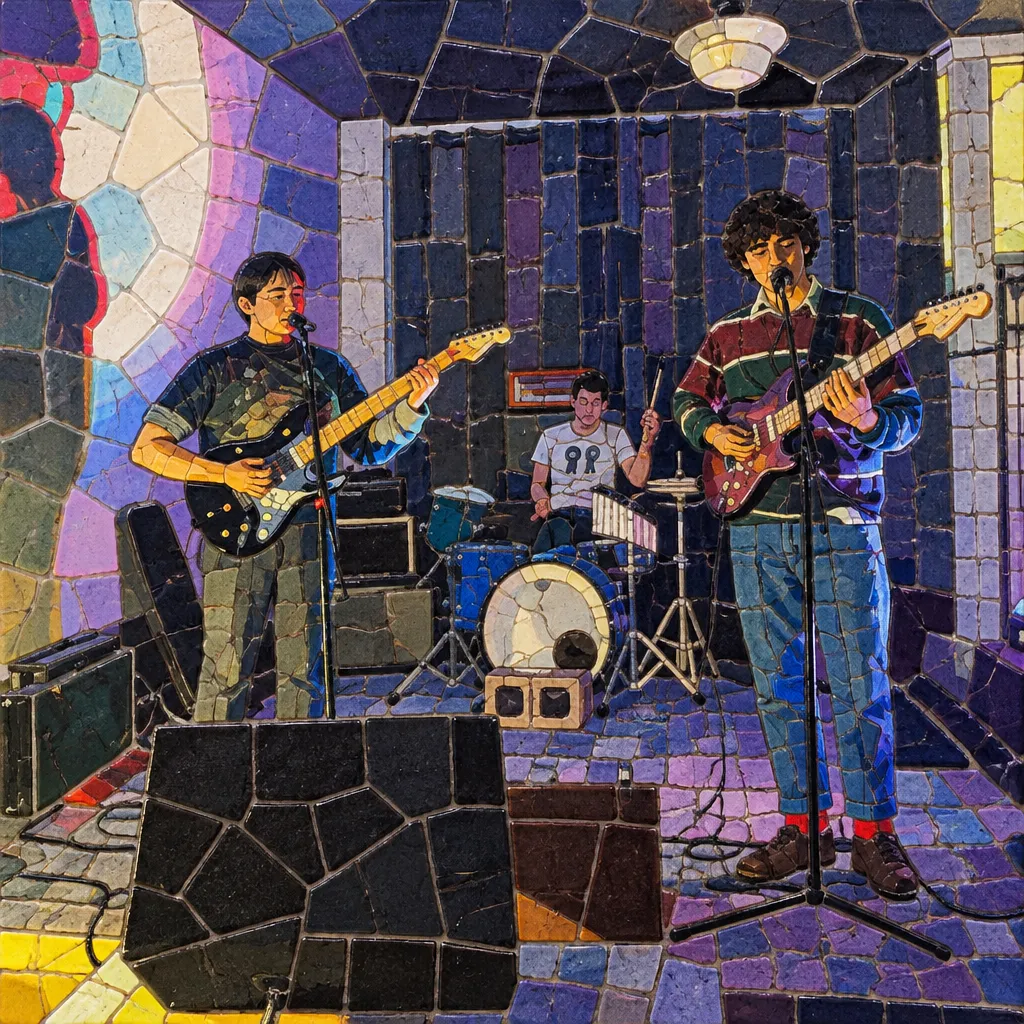
Connecticut indie is a regional strain of U.S. indie rock that blends the heartfelt directness of emo-revival with the fuzzy guitars, DIY ethics, and adventurous textures of New England’s underground. Rooted in college-town and small-city scenes (Middletown, New Haven, Willimantic, Hartford), the sound swings between twinkly, lyrically confessional indie and louder, shoegaze- or noise-tinged guitar rock. You’ll hear gang-vocal catharsis, transparent production that favors live-room energy, and occasional orchestral or synth flourishes that reflect the area’s art-school and experimental leanings. While it is geographically defined, the micro-scene’s bands networked nationally through house shows, small labels, and online communities, making Connecticut indie both locally grounded and widely connected.
Discover
Listen
Deep Groove House
Deep Groove House is a modern house substyle centered on thick, rolling basslines, swung percussion, and soulful or disco-leaning motifs delivered with contemporary club production. It balances the warmth and musicality of classic and deep house with the punch and arrangement sensibilities of present-day tech-leaning club music. Hallmarks include a steady 4/4 kick (typically 122–126 BPM), syncopated bass grooves that drive the track rather than sit under it, crisp hi-hats with subtle swing, and tasteful use of organ stabs, piano chords, and filtered disco/funk samples. Vocals—when present—tend to be hooky but restrained, often chopped or looped to reinforce the groove rather than dominate it. As a playlist and DJ vernacular label, Deep Groove House crystallized around the 2010s, especially in UK- and EU-facing club culture, online stores, and label ecosystems that favored groove-first, dancefloor-ready house with deep and classic roots.
Discover
Listen
Indie Pop Rap
Indie pop rap blends the melodic hooks and DIY aesthetic of indie pop with conversational, often introspective rap delivery. The production favors warm, guitar- or synth-led beats, understated drums, and lo‑fi textures over bombastic trap maximalism. Lyrically, it leans personal and relatable—relationships, coming of age, mental health, and day-to-day vignettes—delivered in a half-sung, half-rapped style. The sound was shaped by bedroom producers and the streaming era, where low-stakes, catchy songs with intimate vocals thrive on playlists and social media.
Discover
Listen
Machine Rock
Machine rock is a hybrid rock style that fuses hard-edged rock instrumentation with the rigid pulse, repetition, and synthetic textures of industrial and electronic music. The genre typically emphasizes mechanical precision, distorted guitars, sequenced rhythms, processed vocals, and a cold, metallic sonic atmosphere. It often feels more locked to programmed groove than traditional rock, with riffs and drum patterns designed to sound motoric, automated, and machine-driven. In practice, machine rock sits between industrial rock, electronic rock, industrial metal, and sometimes EBM-inflected rock. It favors tight rhythmic control, layered distortion, synthetic bass or sequencer lines, and production aesthetics that highlight compression, repetition, and digital or metallic timbres.
Discover
Listen
French House
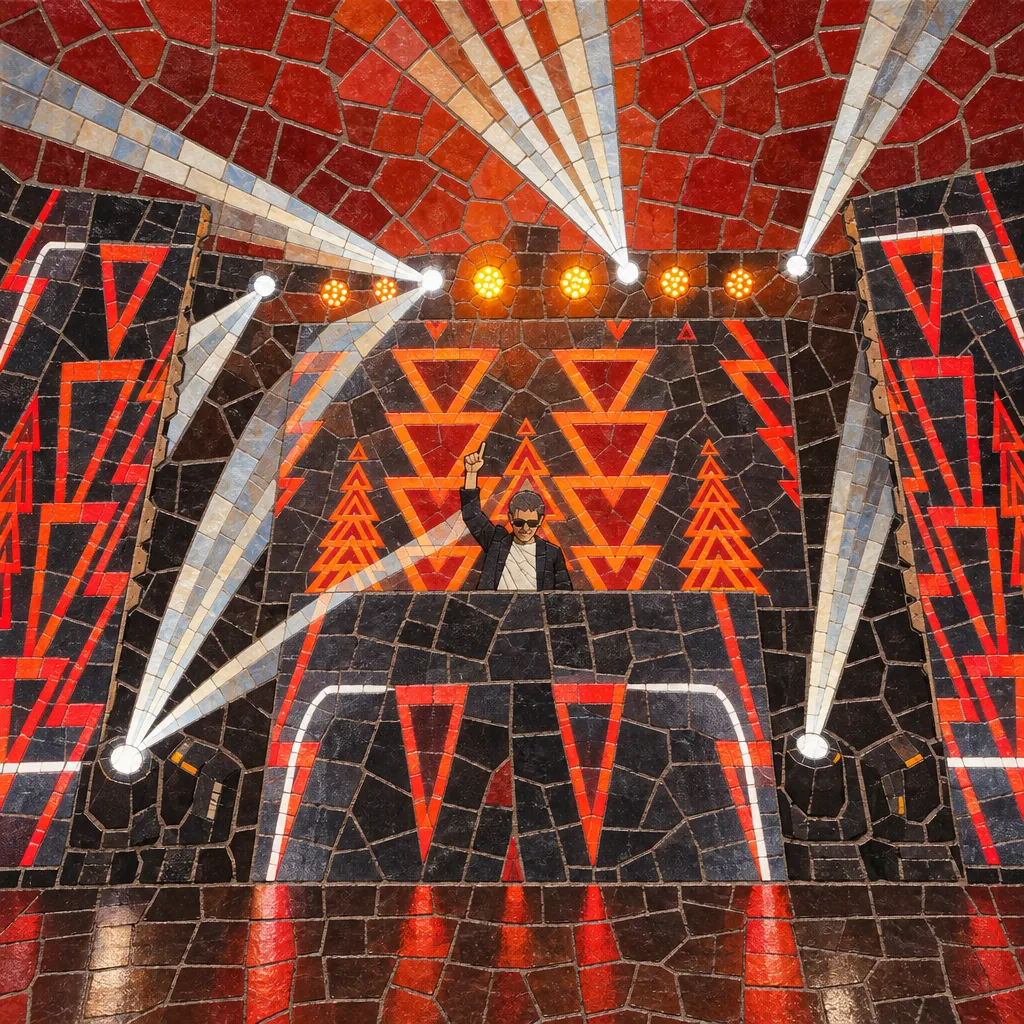
French house, often called the "French touch," is a sample-centric substyle of house music known for filtering and looping fragments of 1970s–1980s disco, boogie, and funk. It features a steady four-on-the-floor kick, syncopated and swung hi-hats, punchy sampled basslines, and a distinctive "pumping" feel created by heavy sidechain compression. Production commonly emphasizes warm, saturated textures and filter sweeps—automated low‑pass and high‑pass filters that open and close across loops—to create tension and release on the dancefloor. Vocoder or talkbox-tinted vocals, brief earworm hooks, and concise, groove-first arrangements are typical, with tempos usually between 120–128 BPM. The sound is closely associated with Parisian labels and crews from the mid-to-late 1990s and early 2000s, and it helped re-popularize disco aesthetics within contemporary dance music.
Discover
Listen
Filter House
Filter house (often synonymous with the French Touch) is a substyle of house music built around heavily filtered disco and funk samples looped over a steady four-on-the-floor beat. Producers sweep low‑pass or high‑pass filters across the sample—opening and closing the cutoff to create a sense of tension and release—while sidechain compression makes the mix “pump” against the kick. The sound emphasizes catchy basslines, syncopated guitar chops or strings lifted from late-1970s/early-1980s records, and glossy, club‑ready drums. It’s both nostalgic and modern: vintage source material processed through contemporary dance-production techniques to deliver hooky, euphoric, dance‑floor moments.
Discover
Listen
Show all 24 genres
Albums
2000
1
/5
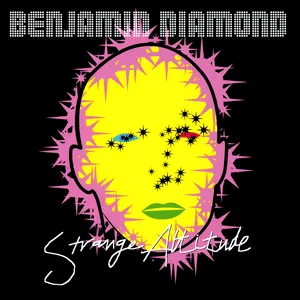
Strange Attitude
Benjamin Diamond
French House
Similar artists
5
/5
Daft Punk
Electronic
Filter House
Electro
4
/5
Bob Sinclar
Filter House
French House
Disco House
4
/5
Kavinsky
Synthwave
Filter House
French House
4
/5
Stardust
Filter House
French House
Electronic
3
/5
Madeon
Complextro
Electropop
French House
3
/5
Cassius
French House
Electronic
Electro House
3
/5
Boston Bun
Filter House
French House
Electronic
3
/5
DJ Mehdi
French House
Electro
Hip Hop
3
/5
Demon
French House
Electronic
House
4
/5
Modjo
French House
House
Disco House
Download our mobile app
Get the Melodigging app and start digging for new genres on the go
Download on the App Store
Get it on Google Play
© 2026 Melodigging
Give feedback
Legal
Melodding was created as a tribute to
Every Noise at Once
, which inspired us to help curious minds keep digging into music's ever-evolving genres.