Genres
Artists
Albums
Make Music
Sign in
Sign in
Artists
Ghazal
Artists
Ghazal
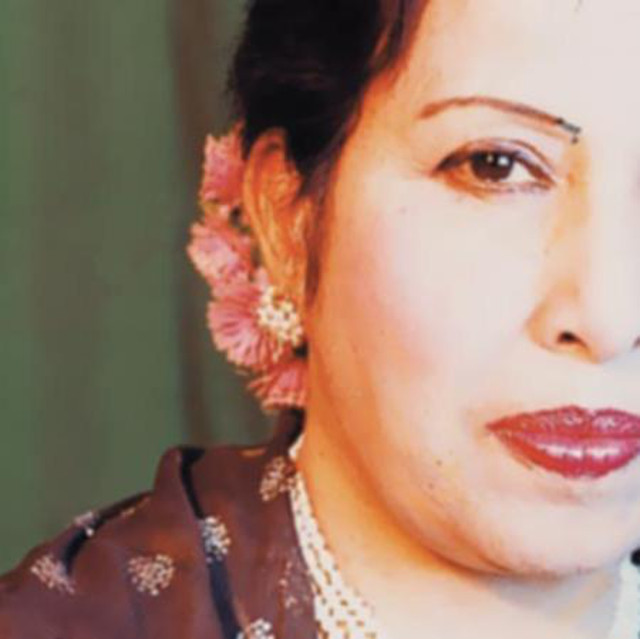
Begum Akhtar
1981–1999
·
6 albums
Listen
2
/5
Genres
Thumri
Thumri is a North Indian (Hindustani) light-classical vocal genre known for its expressive, romantic character and flexible approach to raga and text. It typically sets short, evocative lyrics—often in Braj Bhasha, Hindi, or Urdu—on themes of shṛngāra (love), viraha (separation), and Krishna devotion, prioritizing emotional nuance over strict raga orthodoxy. Musically, thumri is associated with slow-to-medium tempi, lilting rhythmic cycles such as Dadra (6), Keherwa (8), Rupak (7), Deepchandi (14), and Addha, and a palette of “mishra” (mixed) ragas like Khamaj, Kafi, Bhairavi, and Pilu. Ornamentation is central: meend (glides), murki (grace turns), andolan (gentle oscillation), bol-banāo (word-based elaboration), and delicate taans color the line. Historically linked to tawaif (courtesan) culture and kathak dance, thumri matured in 19th‑century Lucknow and later flourished in Benares (Varanasi), evolving two principal styles: bandish-ki-thumri (more rhythmic and dance-oriented) and bol-banaav thumri (slow, lyrical, and text-centered).
Discover
Listen
Ghazal
Ghazal is a South Asian light-classical vocal genre built around the Urdu–Persian poetic form of the same name. It sets couplets (sher) that share a rhyme (qaafiya) and refrain (radif), often opening with a matla and ending with a maqta featuring the poet’s takhallus. Themes revolve around love, longing, separation, metaphysical yearning, and refined wit. Musically, ghazal draws on Hindustani classical grammar but prioritizes text clarity and melodic expressiveness over elaborate improvisation. Performances commonly feature a singer accompanied by harmonium and tabla (with sarangi, sitar, or guitar as color), use raga-informed melodies, and keep lilting tala cycles such as dadra (6 beats) or keherwa (8 beats). The style favors intimate delivery, subtle ornamentation (meend, murki), and immaculate diction, making it ideal for salon (mehfil) settings as well as recorded and film music.
Discover
Listen
Hindustani Classical
Hindustani classical is the North Indian branch of the Indian classical tradition, centered on the concepts of raga (melodic framework) and tala (cyclical rhythm). It emphasizes improvisation within strict aesthetic and grammatical boundaries, unfolding a raga through a gradual, architected performance arc from free-rhythm exploration to metrically grounded elaboration. Performances typically proceed through an alap (slow, non-metrical exposition), jor and jhala (rhythmic intensification on plucked instruments), and a composed piece—bandish or gat—set to a tala cycle, followed by improvisations (vistar, tans, bol-bant) that resolve emphatically on the sam (first beat). Signature ornaments such as meend (glides), gamak (oscillation), and andolan (slow vibrato) articulate microtonal nuance (shruti). The style encompasses vocal genres like dhrupad and khyal, and instrumental idioms on sitar, sarod, sarangi, bansuri, and shehnai, supported by a sustaining drone (tanpura) and tabla or pakhawaj accompaniment. Beyond the concert hall, Hindustani classical has deeply informed sub-classical and popular forms across South Asia and, through mid-20th-century cultural exchange, popular and art music worldwide.
Discover
Listen
Qawwali
Qawwali is a Sufi devotional vocal music from the Indian subcontinent that aims to evoke spiritual ecstasy and communal devotion. It is typically performed by a lead singer (qawwal) with a small ensemble of accompanying vocalists, harmoniums, handclaps, and percussion such as dholak and tabla. Musically, Qawwali blends raga-based melodic frameworks and flexible, improvisatory singing with driving rhythms and responsorial choruses. Texts are drawn from Urdu, Persian, Punjabi, and other North Indian languages, and include ghazals, kafis, hamds (praise of God), naats (praise of the Prophet), and manqabats (praise of Sufi saints). Performances traditionally take place at Sufi shrines (dargahs), where repetition, call-and-response, and gradual intensification lead listeners toward wajd (states of spiritual ecstasy). In the modern era, Qawwali is also heard on concert stages, recordings, and film.
Discover
Listen
Indian Classical
Indian classical music (Shastriya Sangeet / Mārga Sangeet) is the art-music tradition of the Indian subcontinent, organized around melodic frameworks called raga and cyclical meters called tala. It has two major streams: Hindustani music in the North, which foregrounds extended improvisation and raga exploration, and Carnatic music in the South, which is composition-centric with structured but highly sophisticated improvisation. A related eastern tradition is Odissi (from present-day Odisha), whose classical lineage spans roughly two millennia. Despite regional distinctions, these systems share common theoretical roots, performance aesthetics, and a spiritual-philosophical view of music as a vehicle for rasa (embodied aesthetic emotion).
Discover
Listen
Sufi
Sufi is a devotional musical tradition rooted in Islamic mysticism that seeks to induce remembrance of the Divine (dhikr) and transport performers and listeners toward spiritual ecstasy (wajd). It is not a single uniform style, but a family of practices that vary across regions—most notably Persian/Iranian, Anatolian/Turkish (Mevlevi), Arab, and South Asian (qawwali, kafi). Musically, Sufi repertoire tends to revolve around repetitive, mantra-like refrains, call-and-response between lead and chorus, and gradual intensification over cyclical rhythms. Melodic language draws from regional modal systems such as the Persian dastgāh, Ottoman/Turkish makam, and South Asian raga, and is often supported by drones. Texts are central: poetry by mystic masters like Rumi, Hafez, Bullhe Shah, and Amir Khusrau is sung in Persian, Urdu, Punjabi, Arabic, Turkish, and other languages. Instrumentation varies by locale—harmonium, tabla/dholak, tanpura, and clapping in South Asia; ney, kudüm, bendir, and tanbur in Turkey; oud and frame drums across the Arab world—yet the unifying aim is spiritual uplift and inner transformation.
Discover
Listen
Albums
1999
2
/5
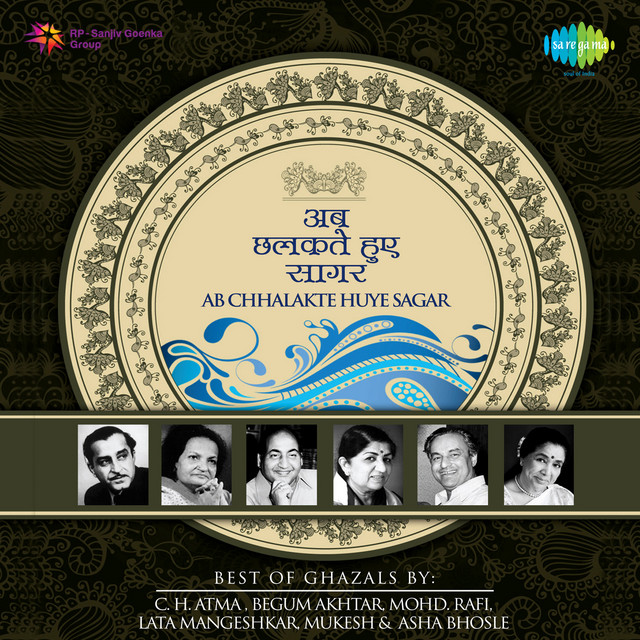
Ab Chhalakte Huye Sagar
Begum Akhtar
Hindustani Classical
1984
2
/5
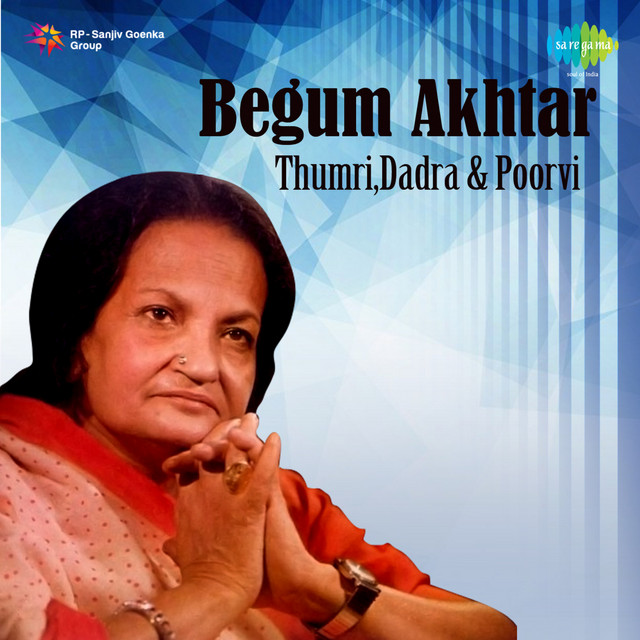
Begum Akhtar - Thumri Dadra And Poorvi
Begum Akhtar
Hindustani Classical
1983
1
/5
Thumri Kajri Hori Sawan Dadra
Begum Akhtar
Thumri
Ghazal
1981
2
/5
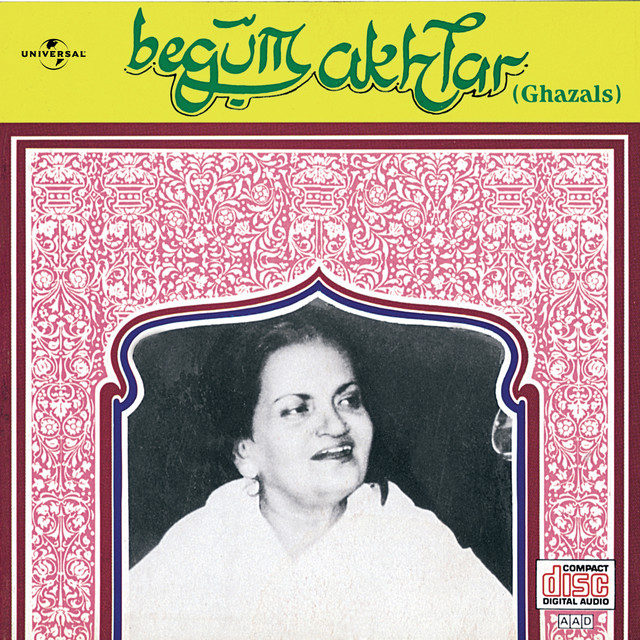
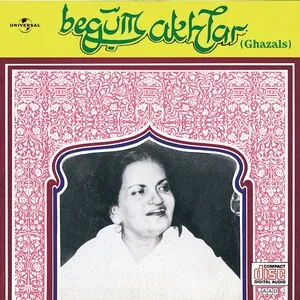
Begum Akhtar
Begum Akhtar
Ghazal
Qawwali
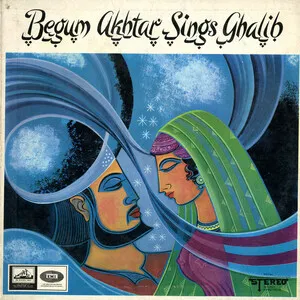
Begum Akhtar Sings Ghalib
Begum Akhtar
Ghazal
Dadras & Thumrees
Begum Akhtar
Thumri
Similar artists
5
/5
Pritam
Bollywood
Filmi
Pop
1
/5
Various Artists
Afro-Funk
Alternative Rock
Ambient
5
/5
Irshad Kamil
Bollywood
Filmi
Pop
4
/5
Sandesh Shandilya
Bollywood
Desi
Filmi
4
/5
Nusrat Fateh Ali Khan
Qawwali
World
Sufi
4
/5
Adnan Sami
Ghazal
Qawwali
Bollywood
2
/5
Zakir Hussain
Hindustani Classical
Indian Classical
Ghazal
2
/5
Iqbal Bano
Ghazal
Thumri
Qawwali
1
/5
Ghazal
Ghazal
Indian Classical
Persian Classical
2
/5
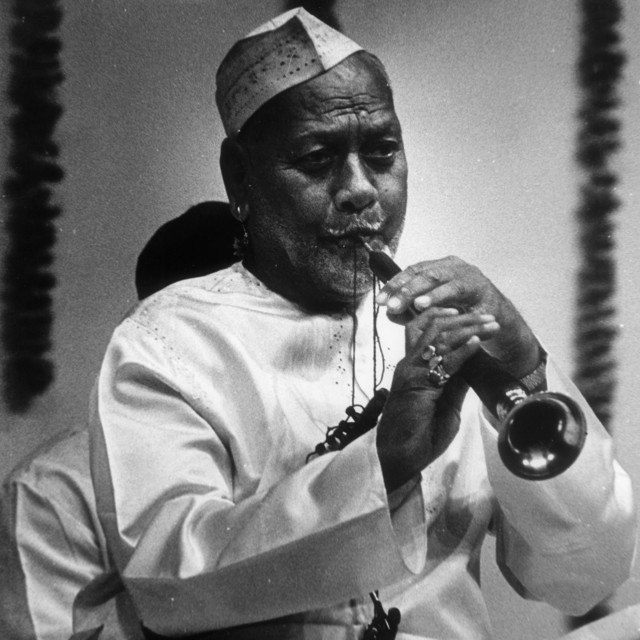
Bismillah Khan
Hindustani Classical
Indian Classical
Khyal
Download our mobile app
Get the Melodigging app and start digging for new genres on the go
Download on the App Store
Get it on Google Play
© 2026 Melodigging
Give feedback
Legal
Melodding was created as a tribute to
Every Noise at Once
, which inspired us to help curious minds keep digging into music's ever-evolving genres.