Genres
Artists
Albums
Make Music
Sign in
Sign in
Artists
Ghazal
Artists
Ghazal
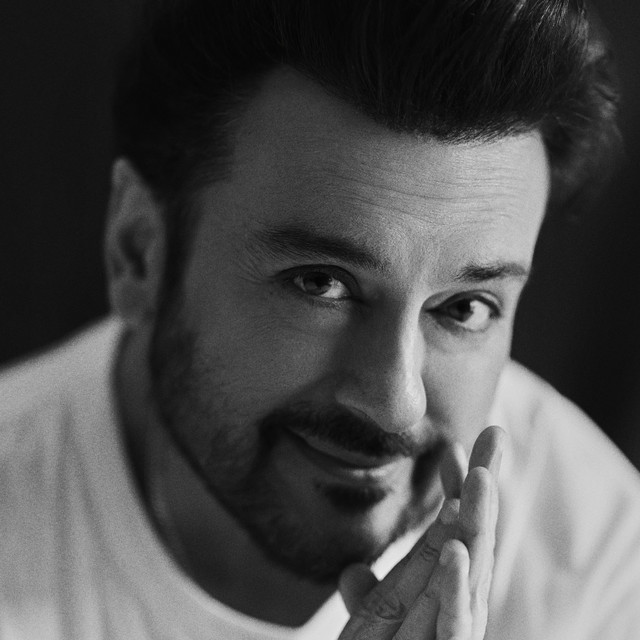
Adnan Sami
2005–2011
·
3 albums
Listen
4
/5
Genres
Kannada Pop
Kannada pop is popular music performed primarily in the Kannada language, blending global pop idioms with South Indian melodic aesthetics. It spans radio-friendly film songs from Karnataka’s “Sandalwood” industry as well as independent, non-film releases. Typical tracks combine ear-catching hooks, verse–chorus forms, and polished production with raga-tinged melodies, light classical ornamentation, and a mix of electronic and acoustic instrumentation. Since the 2010s, streaming and social platforms have fueled a vibrant indie scene alongside mainstream film pop, bringing singer-songwriters and producer-led projects to a wider audience.
Discover
Listen
Desi Pop
Desi pop is a broad umbrella of South Asian popular music that blends Western pop songwriting and production with Indian, Pakistani, Bangladeshi and diasporic sensibilities. It foregrounds catchy melodies, verse–pre-chorus–chorus structures, and contemporary electronic production while borrowing vocal ornamentation, rhythms, and instruments from regional traditions (e.g., Punjabi dhol, tumbi, tabla, sitar). Lyrics commonly mix Hindi/Urdu/Punjabi (often with Hinglish), and themes range from romance and nostalgia to dancefloor celebration. The sound spans glossy dance‑pop, R&B‑tinged ballads, and bhangra‑inflected club tracks, often overlapping with Bollywood but existing independently of film.
Discover
Listen
Indian Pop
Indian pop (often called Indi-pop or I-pop) is pop music created in India outside of film soundtracks. It adapts Western pop and rock songcraft—catchy choruses, verse–chorus forms, synths, drum machines—to South Asian melodic and rhythmic sensibilities, drawing on Hindustani and Carnatic ornamentation, regional folk grooves, and urban club production. While closely linked to Bollywood, Tollywood, Kollywood and the UK’s Asian Underground scenes, its defining trait is independence from cinema: artists release singles and albums marketed on TV, radio, and—today—streaming/video platforms. Lyrics are usually in Hindi, Urdu, or Bengali (often mixing Hinglish), but Punjabi, Tamil, and other Indian languages appear too, reflecting a pan‑Desi pop ecosystem spanning India, Pakistan, and Bangladesh.
Discover
Listen
Pop
Pop is a broad, hook-driven style of popular music designed for wide appeal. It emphasizes memorable melodies, concise song structures, polished vocals, and production intended for radio, charts, and mass media. While pop continually absorbs elements from other styles, its core remains singable choruses, accessible harmonies, and rhythmic clarity. Typical forms include verse–pre-chorus–chorus, frequent use of bridges and middle-eights, and ear-catching intros and outros. Pop is not defined by a single instrumentation. It flexibly incorporates acoustic and electric instruments, drum machines, synthesizers, and increasingly digital production techniques, always in service of the song and the hook.
Discover
Listen
Bollywood
Bollywood is the popular film-music tradition associated with Hindi-language cinema from Mumbai, India. It blends raga-based melodies and Hindustani vocalism with Western orchestration, jazz/big-band legacies, pop hooks, disco/funk grooves, rock energy, and contemporary electronic production. Songs are typically designed for on-screen performance and storytelling, featuring lush arrangements, memorable refrains, and emotive playback singing. A common formal scheme is the mukhda (catchy refrain) and antara (stanza/verse) structure, often with instrumental preludes, interludes, and dance breaks. Because it serves narrative and spectacle, Bollywood music ranges widely in mood—from romantic ballads and devotional pieces to high-energy dance numbers—and has continuously absorbed global influences while remaining rooted in Indian melodic and rhythmic aesthetics.
Discover
Listen
Tollywood
Tollywood (in this context) refers to Telugu-language film music from the Indian film industry based primarily in Hyderabad. It blends Carnatic and Hindustani classical traditions with Indian folk idioms and contemporary global pop, rock, hip hop, and electronic production. Hallmarks include raga-inflected melodies, lush string and brass arrangements, high-energy dance rhythms for "mass" numbers, and emotive romantic ballads. Modern Tollywood songs often feature cutting-edge sound design, hook-heavy choruses, and cinematic dynamics tailored for on-screen choreography and narrative.
Discover
Listen
Sandalwood
Sandalwood refers to Kannada‑language film music from the Karnataka film industry in India. It is a cinematic song tradition that blends Carnatic and Hindustani classical melody with Karnataka’s folk idioms, while freely adopting Western pop, disco, rock, and contemporary electronic production. Songs are typically written in Kannada and feature poetic, image‑rich lyrics delivered by renowned playback singers. Musical materials often draw on raga‑based melody and Indian tala cycles but are arranged in verse–chorus formats suitable for the screen, ranging from romantic ballads and devotional pieces to high‑energy dance numbers and heroic “mass” anthems. Over time, Sandalwood has evolved from orchestra‑led studio recordings to digital, genre‑fluid productions that still keep melody and lyricism at the core, making it one of India’s most distinctive regional film‑music traditions.
Discover
Listen
Jazz
Jazz is an improvisation-centered music tradition that emerged from African American communities in the early 20th century. It blends blues feeling, ragtime syncopation, European harmonic practice, and brass band instrumentation into a flexible, conversational art. Defining features include swing rhythm (a triplet-based pulse), call-and-response phrasing, blue notes, and extended harmonies built on 7ths, 9ths, 11ths, and 13ths. Jazz is as much a way of making music—spontaneous interaction, variation, and personal sound—as it is a set of forms and tunes. Across its history, jazz has continually hybridized, from New Orleans ensembles and big-band swing to bebop, cool and hard bop, modal and free jazz, fusion, and contemporary cross-genre experiments. Its influence permeates global popular and art music.
Discover
Listen
Ghazal
Ghazal is a South Asian light-classical vocal genre built around the Urdu–Persian poetic form of the same name. It sets couplets (sher) that share a rhyme (qaafiya) and refrain (radif), often opening with a matla and ending with a maqta featuring the poet’s takhallus. Themes revolve around love, longing, separation, metaphysical yearning, and refined wit. Musically, ghazal draws on Hindustani classical grammar but prioritizes text clarity and melodic expressiveness over elaborate improvisation. Performances commonly feature a singer accompanied by harmonium and tabla (with sarangi, sitar, or guitar as color), use raga-informed melodies, and keep lilting tala cycles such as dadra (6 beats) or keherwa (8 beats). The style favors intimate delivery, subtle ornamentation (meend, murki), and immaculate diction, making it ideal for salon (mehfil) settings as well as recorded and film music.
Discover
Listen
Qawwali
Qawwali is a Sufi devotional vocal music from the Indian subcontinent that aims to evoke spiritual ecstasy and communal devotion. It is typically performed by a lead singer (qawwal) with a small ensemble of accompanying vocalists, harmoniums, handclaps, and percussion such as dholak and tabla. Musically, Qawwali blends raga-based melodic frameworks and flexible, improvisatory singing with driving rhythms and responsorial choruses. Texts are drawn from Urdu, Persian, Punjabi, and other North Indian languages, and include ghazals, kafis, hamds (praise of God), naats (praise of the Prophet), and manqabats (praise of Sufi saints). Performances traditionally take place at Sufi shrines (dargahs), where repetition, call-and-response, and gradual intensification lead listeners toward wajd (states of spiritual ecstasy). In the modern era, Qawwali is also heard on concert stages, recordings, and film.
Discover
Listen
Sufi
Sufi is a devotional musical tradition rooted in Islamic mysticism that seeks to induce remembrance of the Divine (dhikr) and transport performers and listeners toward spiritual ecstasy (wajd). It is not a single uniform style, but a family of practices that vary across regions—most notably Persian/Iranian, Anatolian/Turkish (Mevlevi), Arab, and South Asian (qawwali, kafi). Musically, Sufi repertoire tends to revolve around repetitive, mantra-like refrains, call-and-response between lead and chorus, and gradual intensification over cyclical rhythms. Melodic language draws from regional modal systems such as the Persian dastgāh, Ottoman/Turkish makam, and South Asian raga, and is often supported by drones. Texts are central: poetry by mystic masters like Rumi, Hafez, Bullhe Shah, and Amir Khusrau is sung in Persian, Urdu, Punjabi, Arabic, Turkish, and other languages. Instrumentation varies by locale—harmonium, tabla/dholak, tanpura, and clapping in South Asia; ney, kudüm, bendir, and tanbur in Turkey; oud and frame drums across the Arab world—yet the unifying aim is spiritual uplift and inner transformation.
Discover
Listen
Hindustani Classical
Hindustani classical is the North Indian branch of the Indian classical tradition, centered on the concepts of raga (melodic framework) and tala (cyclical rhythm). It emphasizes improvisation within strict aesthetic and grammatical boundaries, unfolding a raga through a gradual, architected performance arc from free-rhythm exploration to metrically grounded elaboration. Performances typically proceed through an alap (slow, non-metrical exposition), jor and jhala (rhythmic intensification on plucked instruments), and a composed piece—bandish or gat—set to a tala cycle, followed by improvisations (vistar, tans, bol-bant) that resolve emphatically on the sam (first beat). Signature ornaments such as meend (glides), gamak (oscillation), and andolan (slow vibrato) articulate microtonal nuance (shruti). The style encompasses vocal genres like dhrupad and khyal, and instrumental idioms on sitar, sarod, sarangi, bansuri, and shehnai, supported by a sustaining drone (tanpura) and tabla or pakhawaj accompaniment. Beyond the concert hall, Hindustani classical has deeply informed sub-classical and popular forms across South Asia and, through mid-20th-century cultural exchange, popular and art music worldwide.
Discover
Listen
Show all 12 genres
Albums
2011
3
/5
100% Love
Adnan Sami
Ghazal
Qawwali
2009
3
/5
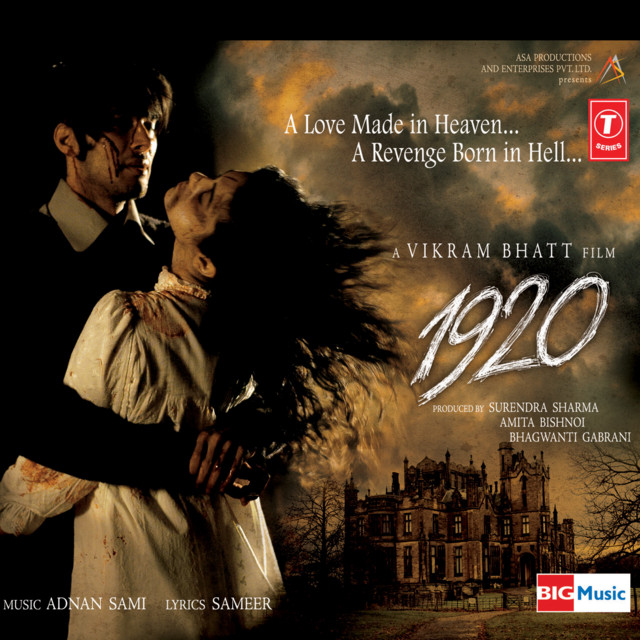
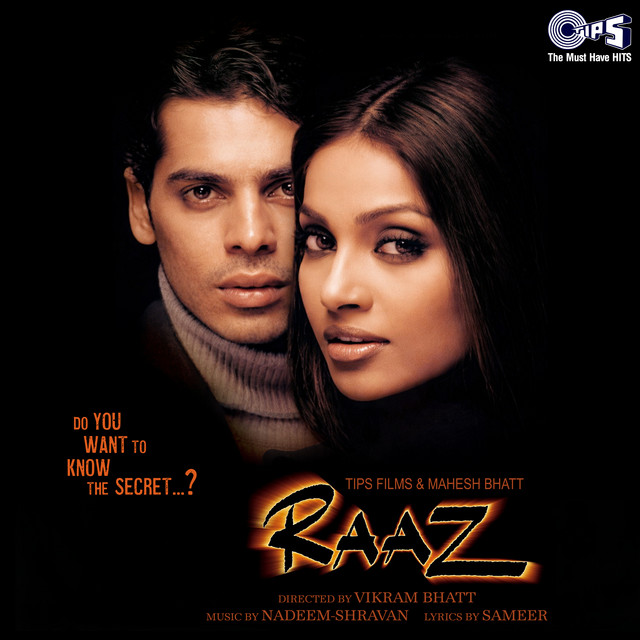
1920
Shubha Mudgal
Kannada Pop
Hindustani Classical
Pop
2005
4
/5
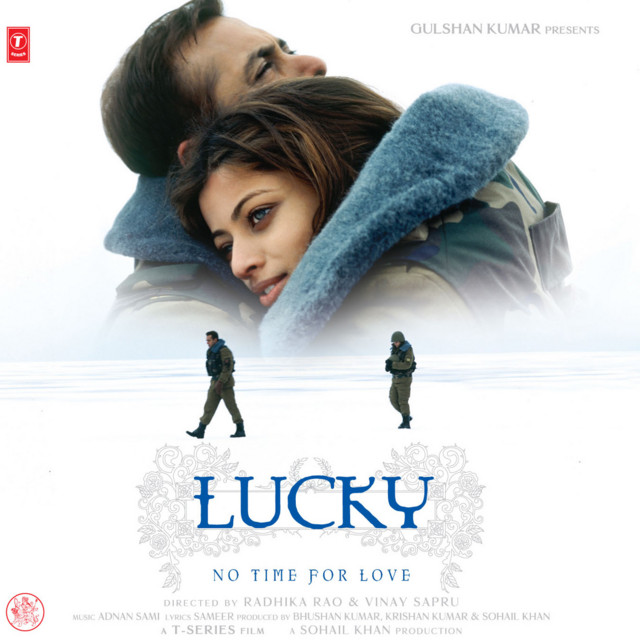
Lucky: No Time For Love
Sonu Nigam
Sandalwood
Kannada Pop
Similar artists
4
/5
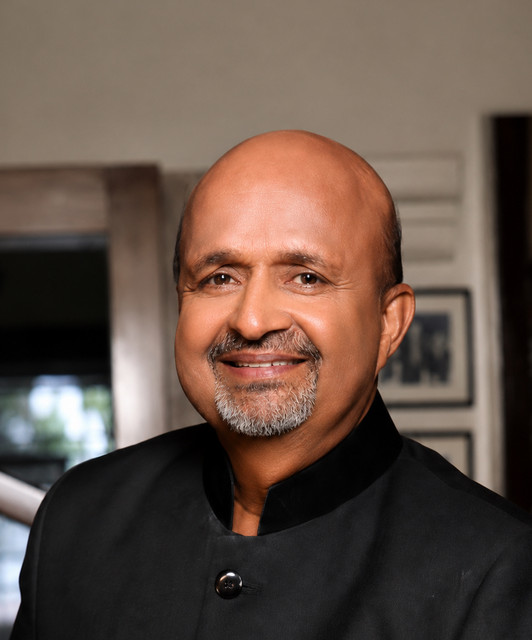
Sameer Anjaan
Pop
Bollywood
Banjara Pop
4
/5
Nadeem Shravan
Banjara Pop
Bollywood
Ghazal
1
/5
Various Artists
Afro-Funk
Alternative Rock
Ambient
5
/5
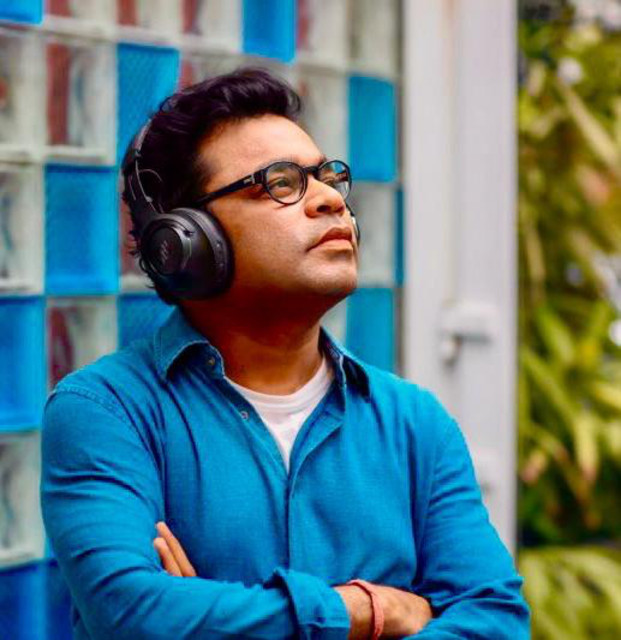
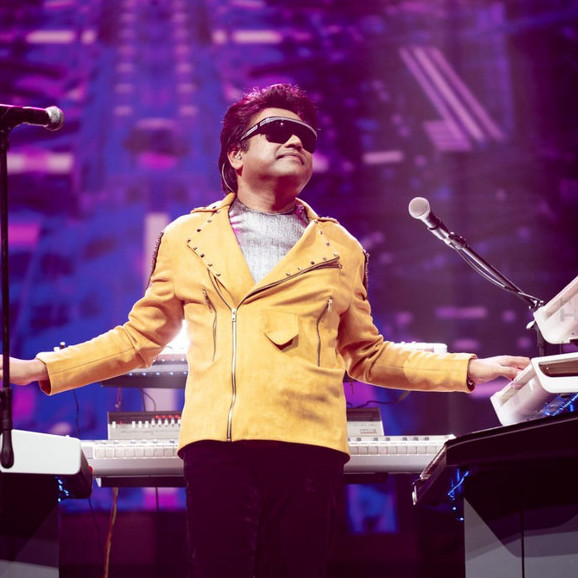
A.R. Rahman
Bollywood
Filmi
Sufi
4
/5
Harris Jayaraj
Kollywood
Tamil Dance
Tamil Pop
4
/5
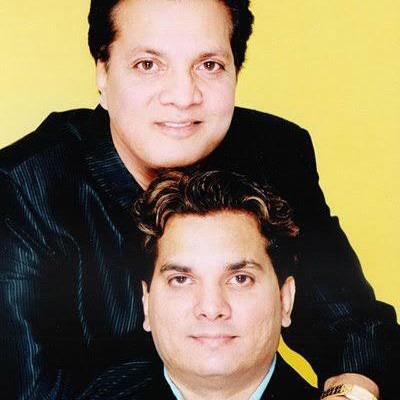
Jatin-Lalit
Bollywood
Chutney
Hindi Pop
4
/5
Jubin Nautiyal
Bhajan
Devotional
Bollywood
4
/5
Rahat Fateh Ali Khan
Ghazal
Qawwali
Sufi
4
/5
Kailash Kher
Kannada Pop
Qawwali
Sufi
5
/5
Pritam
Bollywood
Filmi
Pop
Download our mobile app
Get the Melodigging app and start digging for new genres on the go
Download on the App Store
Get it on Google Play
© 2026 Melodigging
Give feedback
Legal
Melodding was created as a tribute to
Every Noise at Once
, which inspired us to help curious minds keep digging into music's ever-evolving genres.