Genres
Artists
Albums
Make Music
Sign in
Sign in
Artists
Bluegrass
Artists
Bluegrass
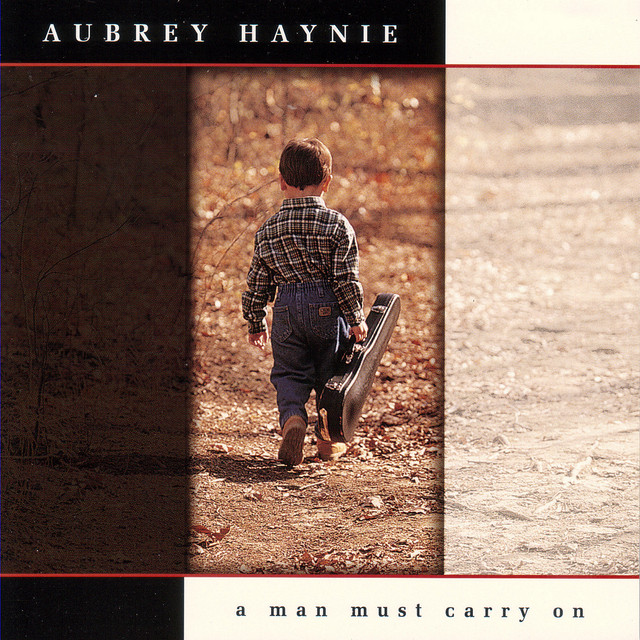
Aubrey Haynie
2006
·
1 album
Listen
2
/5
Genres
Newgrass
Newgrass (often synonymous with progressive bluegrass) is a modern, exploratory branch of bluegrass that blends the acoustic virtuosity and ensemble interplay of traditional bluegrass with the harmony, rhythm, and songcraft of rock, folk, and jazz. Typical newgrass ensembles keep the bluegrass core—mandolin, banjo, fiddle, acoustic guitar, and bass—while freely adding Dobro, percussion/drum set, piano, and occasional electric instruments. The style favors extended solos, odd meters, sophisticated harmonies, and reinterpretations of non-bluegrass repertoire alongside original songwriting. The spirit of newgrass is adventurous and improvisational: players stretch traditional forms, use complex chord colors and modal harmony, and treat arrangements as living frameworks for creative interplay.
Discover
Listen
Bluegrass
Bluegrass is a style of American roots music that coalesced in the Appalachian region in the 1940s around Bill Monroe and his Blue Grass Boys. It is defined by all‑acoustic instrumentation (typically fiddle, mandolin, 5‑string banjo, guitar, and upright bass, with dobro often added), virtuosic ensemble interplay, and a distinctive “high lonesome” lead vocal timbre supported by tight three‑part harmonies. Musically, bluegrass fuses African American blues and jazz phrasing with Anglo‑Celtic ballads and dance tunes. Hallmarks include driving tempos, syncopated 3‑finger banjo rolls (popularized by Earl Scruggs), off‑beat mandolin “chop” backbeats, boom‑chuck guitar rhythm, two‑beat bass, and alternating instrumental “breaks.” Repertoires mix breakdowns and fiddle tunes with narrative ballads, gospel numbers, and contemporary songwriter material.
Discover
Listen
Bluegrass Fiddle
Bluegrass fiddle is a distinctive American fiddle style that sits at the heart of the bluegrass string band. It is marked by bold, blues-inflected improvisation, off‑beat bow “chopping” that supplies percussive backbeat, and sophisticated use of double‑stops, drones, and old‑time bowing patterns. Players mix driving breakdowns with elegant waltzes and hornpipes, using slides, blue notes, and syncopated shuffles (e.g., Nashville and Georgia shuffles) to create rhythmic lift and melodic sparkle. Solos typically outline I–IV–V progressions and frequent modal centers (especially Mixolydian and Dorian), while ensemble etiquette alternates featured “breaks” with supportive fills and harmony lines.
Discover
Listen
Instrumental Bluegrass
Instrumental bluegrass is the all-instrument form of bluegrass that foregrounds virtuosic picking, tight ensemble interplay, and fiddle‑tune melody craft without lead vocals. Built on banjo rolls, flatpicked guitar lines, mandolin tremolo and "chop" backbeats, sawing fiddles, resonator (dobro) slides, and an unshakeable 1–5 upright‑bass pulse, it prizes clarity, speed, and melodic variation. Typical repertoire includes breakdowns, rags, reels, hornpipes, and waltzes—often in AABB forms—at tempos from medium lilt to blistering. Improvisation is central: players trade “breaks” and develop chorus‑by‑chorus variations that stay tethered to the tune’s core melody, drawing on pentatonic, Mixolydian, and blues inflections over simple I–IV–V harmony.
Discover
Listen
Mandolin
Mandolin (as a genre tag) refers to repertoire and performance traditions centered on the mandolin family—music written for, led by, or idiomatically shaped around the instrument’s bright, plucked timbre and violin-like tuning. The modern Neapolitan mandolin took form in 18th‑century Naples (notably in the Vinaccia workshop), and its tuning in fifths, four double courses, and fretted fingerboard helped it flourish among amateurs and virtuosi alike. Across centuries, mandolin music has spanned classical concert works, salon pieces and mandolin‑orchestra literature, popular and folk dance tunes, and later American roots styles such as bluegrass—each adopting core techniques like plectrum tremolo, double‑stops, and percussive chord “chops.” The instrument’s lineage from the European lute family and its 18th–19th‑century popularity waves frame the broad stylistic umbrella now described as “mandolin.”
Discover
Listen
Albums
2006
A Man Must Carry On
Aubrey Haynie
Bluegrass Fiddle
Instrumental Bluegrass
Mandolin
Similar artists
3
/5
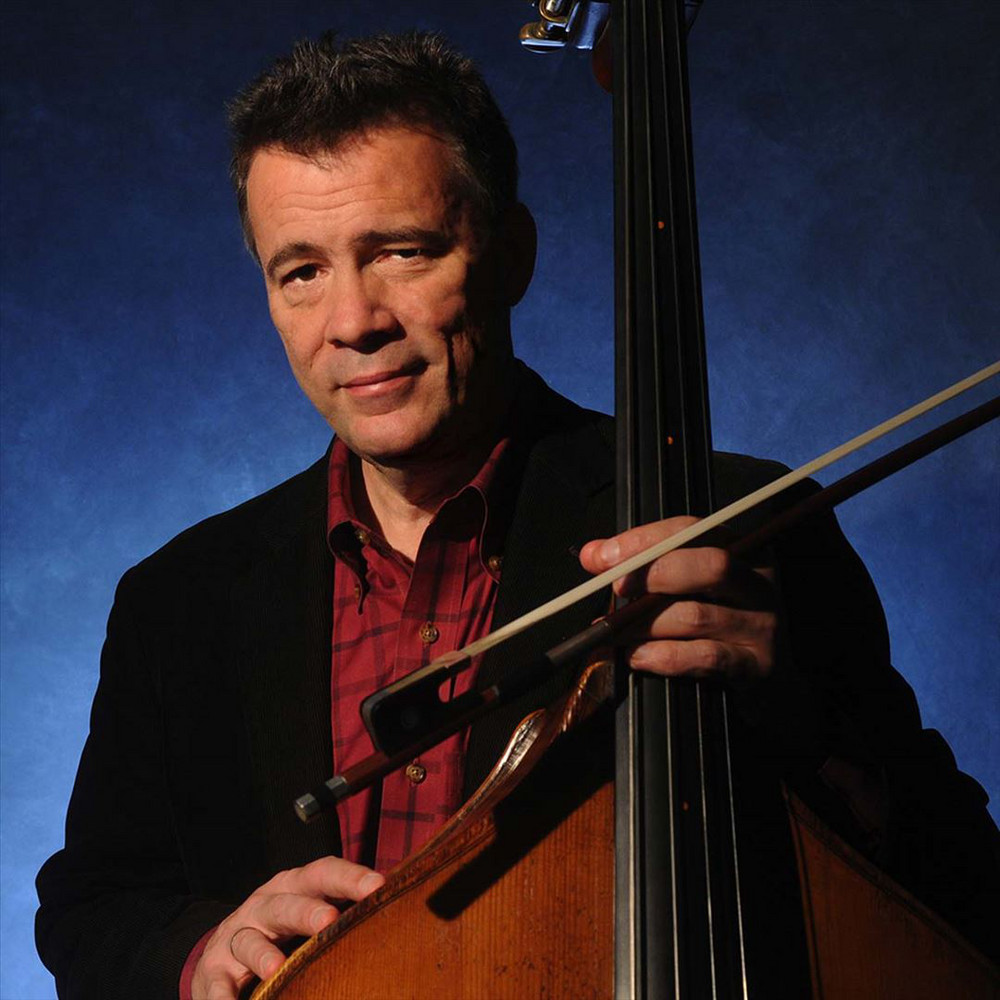
Edgar Meyer
Bluegrass
Newgrass
Bluegrass Fiddle
2
/5
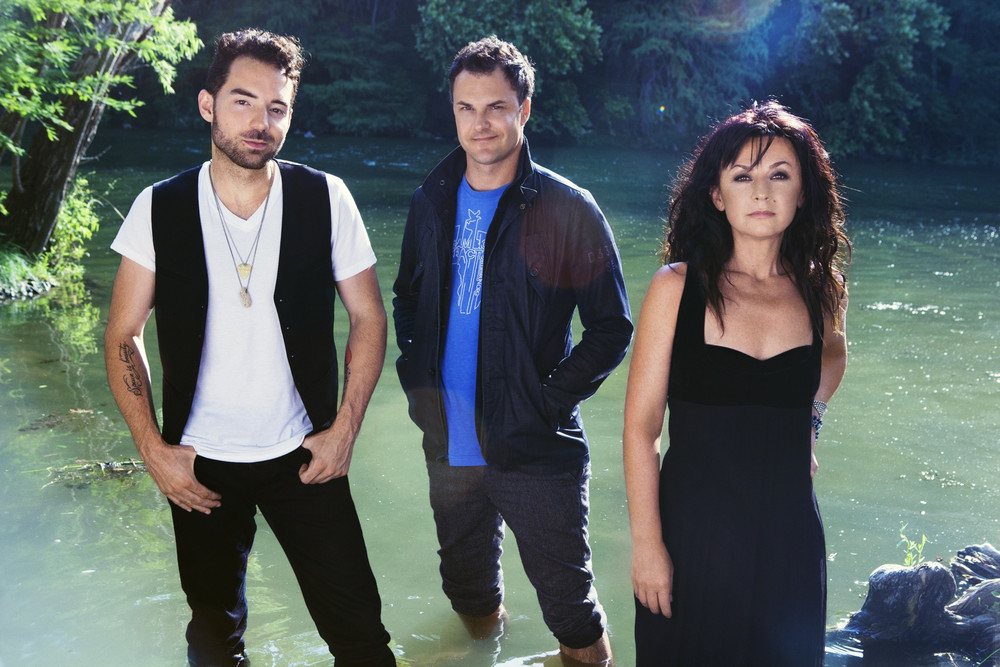
The Greencards
Americana
Bluegrass
Newgrass
2
/5
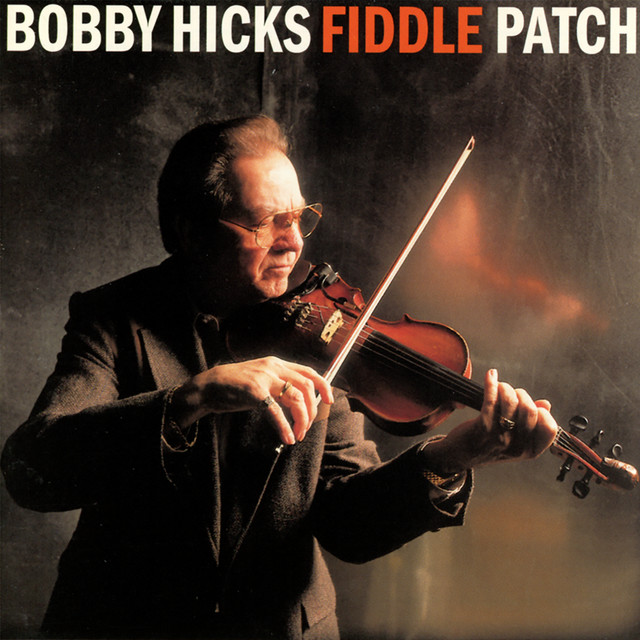
Bobby Hicks
Bluegrass
Newgrass
Bluegrass Fiddle
2
/5
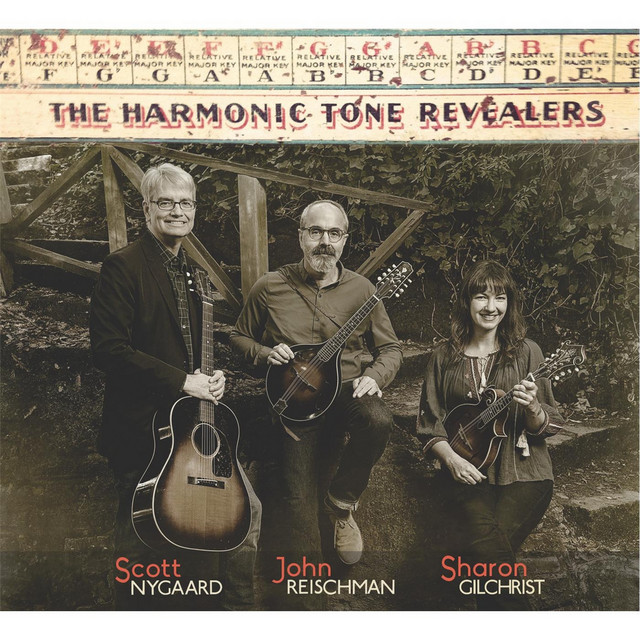
John Reischman
Bluegrass
Newgrass
Instrumental Bluegrass
2
/5
Sharon Gilchrist
Bluegrass
Newgrass
Instrumental Bluegrass
2
/5
Scott Nygaard
Bluegrass
Instrumental Bluegrass
Newgrass
2
/5
Darol Anger
Bluegrass
Bluegrass Fiddle
New Age
2
/5
Strength In Numbers
Bluegrass
Newgrass
Instrumental Bluegrass
1
/5
Rickie Simpkins
Bluegrass
Newgrass
Bluegrass Fiddle
3
/5
Mike Marshall
Bluegrass
Newgrass
Old School Hip Hop
Download our mobile app
Get the Melodigging app and start digging for new genres on the go
Download on the App Store
Get it on Google Play
© 2026 Melodigging
Give feedback
Legal
Melodding was created as a tribute to
Every Noise at Once
, which inspired us to help curious minds keep digging into music's ever-evolving genres.