

Your digging level

For this genre
0/8
🏆
Sign in, then listen to this genre to level up

Description

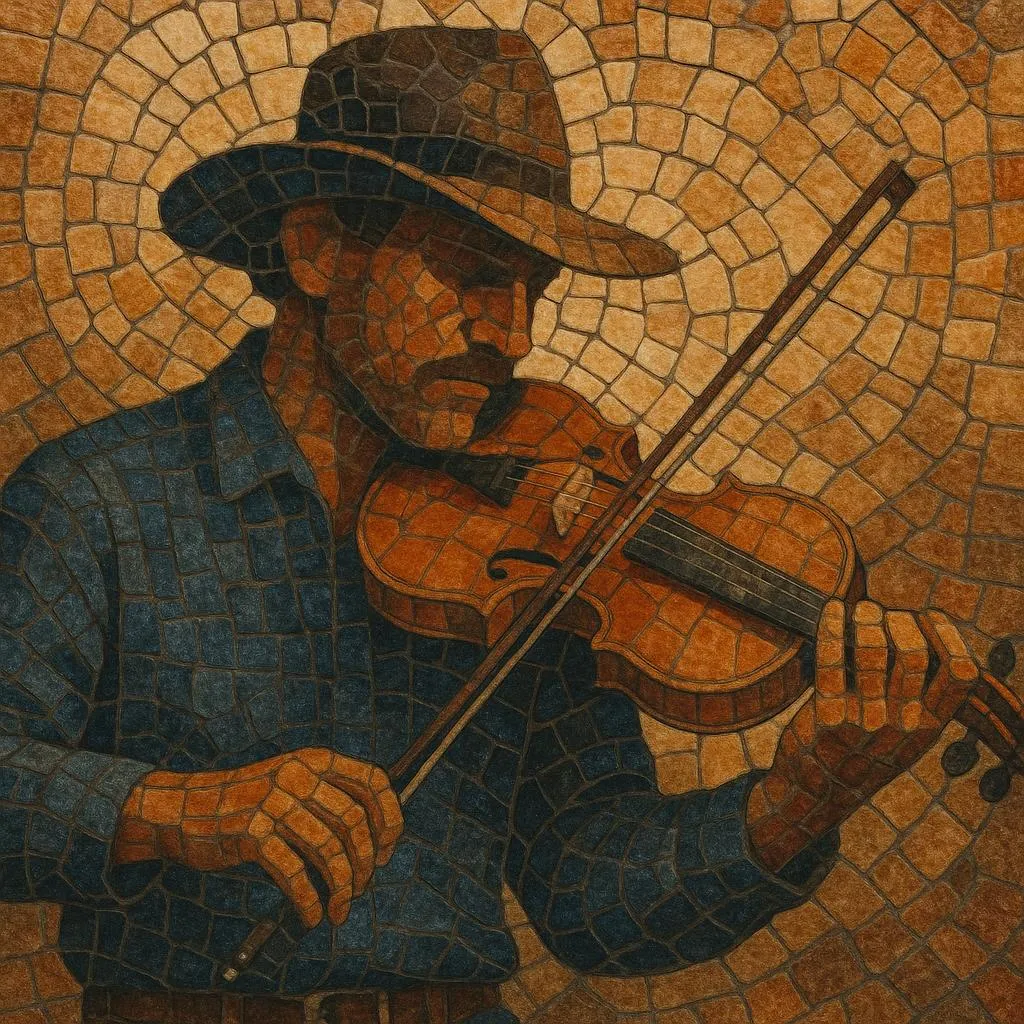
Bluegrass fiddle is a distinctive American fiddle style that sits at the heart of the bluegrass string band. It is marked by bold, blues-inflected improvisation, off‑beat bow “chopping” that supplies percussive backbeat, and sophisticated use of double‑stops, drones, and old‑time bowing patterns.

Players mix driving breakdowns with elegant waltzes and hornpipes, using slides, blue notes, and syncopated shuffles (e.g., Nashville and Georgia shuffles) to create rhythmic lift and melodic sparkle. Solos typically outline I–IV–V progressions and frequent modal centers (especially Mixolydian and Dorian), while ensemble etiquette alternates featured “breaks” with supportive fills and harmony lines.


Sources: Spotify, Wikipedia, Discogs, RYM, MB, user feedback and other online sources

History

Early Roots (1920s–1930s)

Bluegrass fiddling grows out of Appalachian old‑time string‑band traditions that themselves reflect Scots‑Irish, English, and African American musical lineages. In the interwar years, radio barn dances and touring medicine shows spread virtuosic fiddle breakdowns and dance music across the Southern Appalachian region.

Codification with Bluegrass (1940s–1950s)

In the 1940s, Bill Monroe’s Blue Grass Boys established the classic bluegrass ensemble (mandolin, guitar, banjo, bass, and fiddle). Fiddlers in Monroe’s band helped codify a sound that combined old‑time bowing with blues phrasing, brisk tempos, and tightly arranged “breaks.” The fiddle became both a lyrical voice (introducing melodies and waltzes) and a fiery improviser during instrumental numbers.

Expansion and Virtuosity (1960s–1970s)

As bluegrass modernized, leading fiddlers expanded the vocabulary with jazz‑tinged harmony, sophisticated double‑stops, and horn‑inspired phrasing. The off‑beat bow “chop” emerged as a defining percussive technique, allowing fiddlers to function like a snare drum on the backbeat. Progressive and “newgrass” scenes welcomed extended solos, modal tunes, and swing influence.

Contemporary Era (1980s–Present)

Contest‑style precision, studio recording standards, and cross‑genre collaborations further elevated technical demands. Today’s players blend traditional shuffles with advanced chord‑tone targeting, chromatic approach notes, and rhythmic variation. The instrument remains central to both traditional and progressive bluegrass, influencing Americana and the broader acoustic “new acoustic music” movement.

How to make a track in this genre

Ensemble and Role
•   Write for a classic bluegrass band: fiddle, 5‑string banjo, mandolin, guitar, upright bass (and occasional dobro). •   Arrange “breaks” for the fiddle: 8 or 16 bars where it states the tune, develops motifs, and returns to the hook. Between breaks, add fills that answer the vocal phrases in the gaps.
Tuning, Tone, and Bowing
•   Use standard tuning (G–D–A–E); occasional cross‑tunings (AEAE or ADAE) add ring and droning power for modal tunes. •   Favor a bright, projecting tone with steel strings; employ controlled bow pressure for punchy accents. •   Bowing patterns: Nashville shuffle (long‑short‑short), Georgia shuffle (accented backbeat), double shuffle for showpieces; integrate off‑beat “chops” by striking muted strings with short, percussive bow strokes.
Harmony, Melody, and Rhythm
•   Center harmony on I–IV–V with quick changes; treat ii and vi as passing chords. Modal harmony (Mixolydian/Dorian) is common in breakdowns and fiddle tunes. •   Melodic materials: major and pentatonic scales enriched with blues notes (♭3, ♭5, ♭7); arpeggiate chord tones on strong beats and connect with slides and neighbor tones. •   Groove: 2/4 or 4/4 at brisk tempos (often 120–160+ BPM). Lock the chop to the mandolin backbeat and the bass “boom‑chick.”
Ornamentation and Phrasing
•   Use double‑stops (thirds, sixths, and power‑fifths), drones on open strings, grace‑note slides, and quick trills. •   Shape phrases with call‑and‑response: state a motif, sequence it up or down, then resolve into a signature lick.
Improvisation and Form
•   Build solos from melody‑first paraphrase to chord‑tone targeting and tasteful chromatic approaches. •   Common forms: breakdowns, reels, hornpipes, and waltzes; write kick‑offs, turnarounds, and short tags to frame the tune.
Production and Performance Tips
•   Mic placement 8–12 inches off the f‑hole/bridge area for clarity; blend with a room mic for natural space. •   In jams, take turns: respect the break order, keep comping volume low during others’ solos, and cue endings with classic tag licks.

Top tracks

Locked
Share your favorite track to unlock other users’ top tracks

Upcoming concerts

in this genre
Influenced by

Download our mobile app

Get the Melodigging app and start digging for new genres on the go
© 2026 Melodigging
Melodding was created as a tribute to Every Noise at Once, which inspired us to help curious minds keep digging into music's ever-evolving genres.
Buy me a coffee for Melodigging
