Genres
Artists
Albums
Make Music
Sign in
Sign in
Artists
Contemporary Classical
Artists
Contemporary Classical
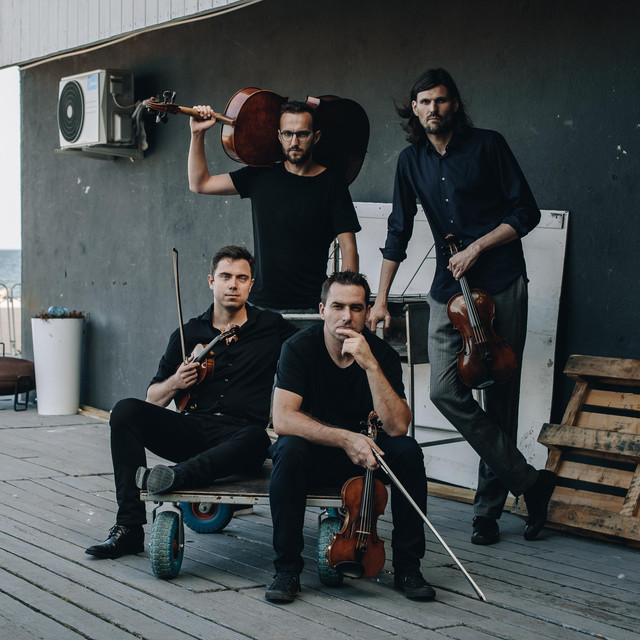
Atom String Quartet
2018–2024
·
2 albums
Listen
2
/5
Genres
Uwielbienie
Uwielbienie is the Polish-language stream of contemporary Christian worship music, spanning intimate prayer songs and congregational praise anthems used in Catholic, Protestant, and charismatic settings across Poland. Musically it blends modern pop-rock band formats (acoustic/electric guitars, piano/keys, bass, and drums) with gospel choir textures and occasional folk or liturgical colors. Lyrically it centers on adoration, thanksgiving, Scripture paraphrases, and communal prayer in accessible Polish, designed to be sung by congregations as well as performed on concert stages. The style ranges from slow, pad‑rich ballads intended for contemplative prayer to upbeat 4/4 praise songs suitable for dancing and large gatherings, often building to soaring, chant-like refrains that encourage collective participation.
Discover
Listen
Contemporary Classical
Contemporary classical is the broad field of Western art music created after World War II. It embraces an array of aesthetics—from serialism and indeterminacy to minimalism, spectralism, electroacoustic practices, and post‑tonal lyricism—while retaining a concern for notated composition and timbral innovation. Unlike the unified styles of earlier eras, contemporary classical is pluralistic. Composers freely mix acoustic and electronic sound, expand instrumental techniques, adopt non‑Western tuning and rhythm, and explore new forms, from process-based structures to open and graphic scores. The result is a music that can be rigorously complex or radically simple, technologically experimental or intimately acoustic, yet consistently focused on extending how musical time, timbre, and form can be shaped.
Discover
Listen
Musique Concrète
Musique concrète is an electroacoustic approach to composition that uses recorded real‑world sounds (objets sonores) as primary material rather than traditional instruments or notation. Composers edit, splice, loop, reverse, time‑stretch, filter, and otherwise transform these recordings to create works designed for loudspeakers. Emerging in late‑1940s France, it introduced acousmatic listening—focusing on the sound itself, detached from its source—along with a morphology‑based vocabulary of gesture, texture, and timbre. Historically realized on tape and now on digital audio workstations, musique concrète privileges montage and transformation over conventional harmony and meter, inviting listeners into a rich, tactile world of sonic phenomena.
Discover
Listen
Expressionism
Expressionism in music is an early-20th-century modernist movement that foregrounds inner psychological states, anxiety, and alienation through highly charged sonic language. It abandons traditional tonal centers in favor of atonality or extreme chromaticism, embraces dissonance without immediate resolution, and often fragments melody into sharp, angular gestures. Textures favor clarity and intensity: chamber forces, extreme registers, abrupt contrasts of dynamics and timbre, and sparse, aphoristic forms are common. Composers experiment with Sprechstimme (speech-like vocalization), Klangfarbenmelodie (melody distributed across changing timbres), and rapidly shifting meters to intensify expression. Vocal works (monodramas, song cycles) and concise instrumental miniatures became emblematic vehicles for psychological drama.
Discover
Listen
Modern String Quartet
Modern string quartet refers to 20th- and 21st‑century writing and performance for the traditional two‑violins, viola, and cello ensemble, recasting the classical form with modernist, post‑tonal, minimalist, spectral, and post‑minimal languages. Hallmarks include extended techniques (sul ponticello, col legno, microtones, noise textures), flexible rhythm and meter, and harmonic vocabularies that range from atonal/serial procedures to modal, spectral, and neo‑tonal practices. Texture and timbre are often treated as primary compositional parameters, and form may be multi‑movement or a single, continuous arc. The genre bridges concert tradition and contemporary practice: canonical quartets commission and premiere new works, and living composers continuously expand the medium’s expressive palette in dialogue with a centuries‑old chamber tradition.
Discover
Listen
Albums
2024
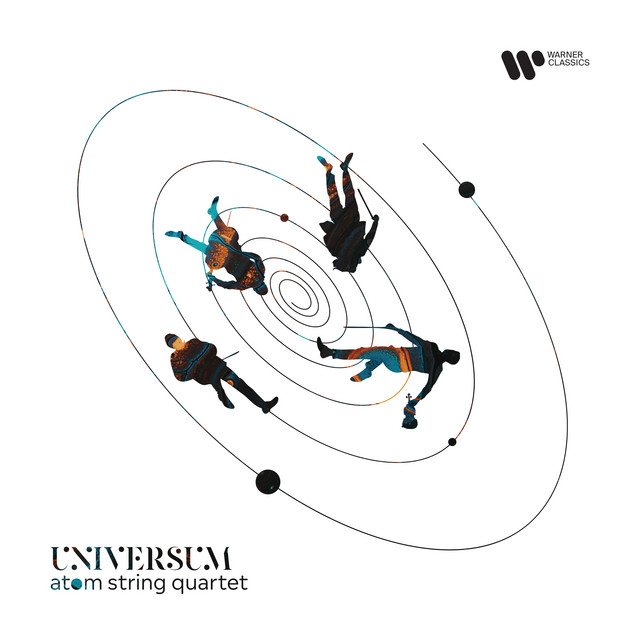
Universum
Atom String Quartet
Modern String Quartet
2018
Psalmy
Małgorzata Hutek, Dominik Wania, Atom String Quartet
Uwielbienie
Similar artists
2
/5
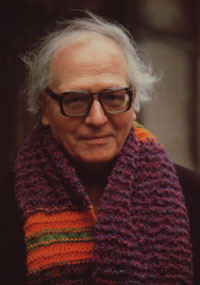
Olivier Messiaen
Classical
Mélodie
Modern Classical
2
/5
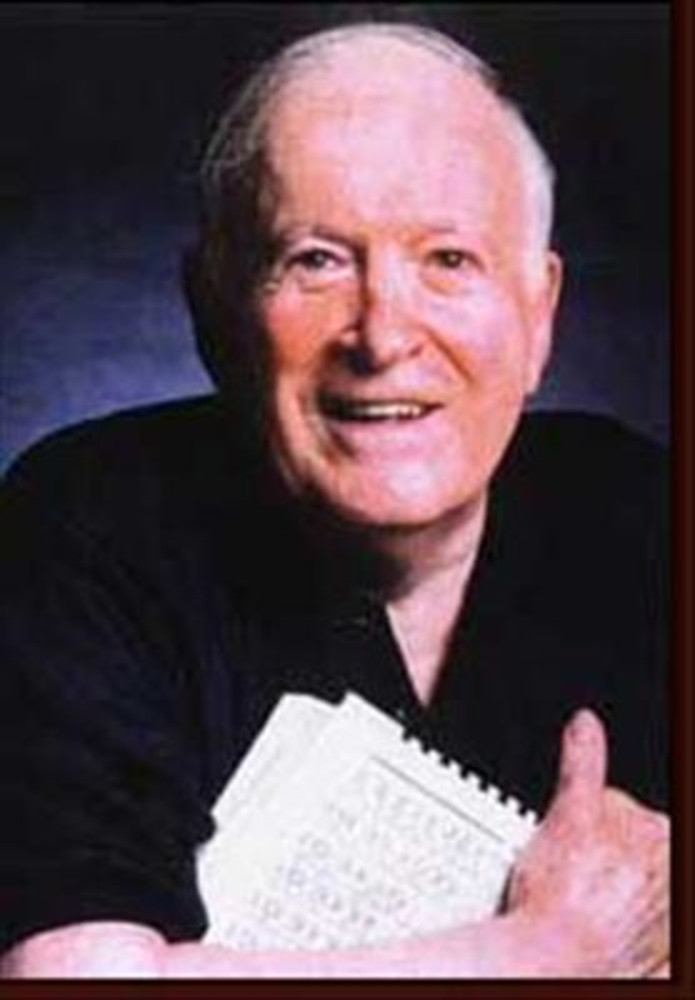
Robert Craft
Ballet
Classical
Expressionism
1
/5
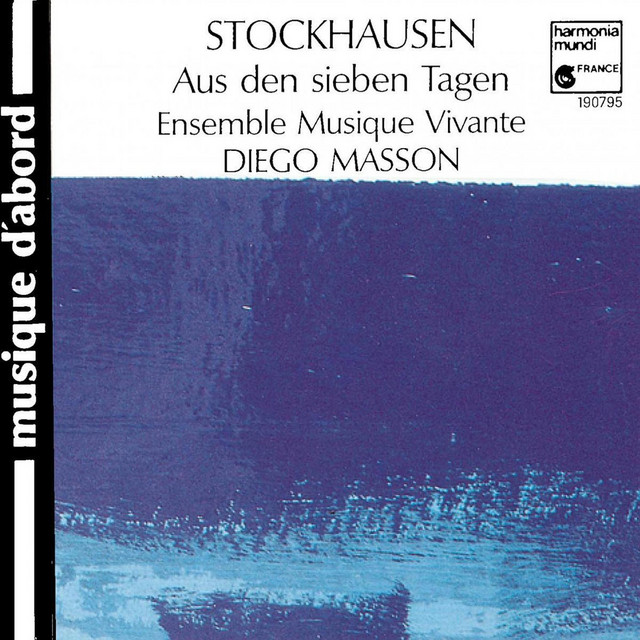
Ensemble Musique Vivante
Avant-Garde
Chamber Music
Contemporary Classical
3
/5
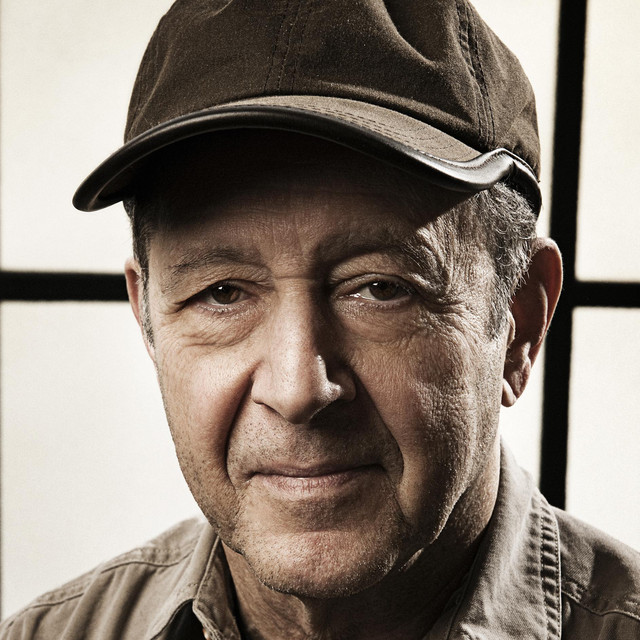
Steve Reich
Minimalism
Classical
Modern Classical
3
/5
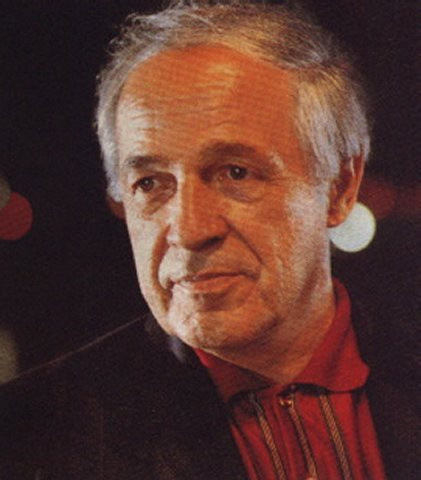
Pierre Boulez
Classical
Expressionism
Impressionism
3
/5
Krzysztof Penderecki
Sonorism
Classical
Requiem
2
/5
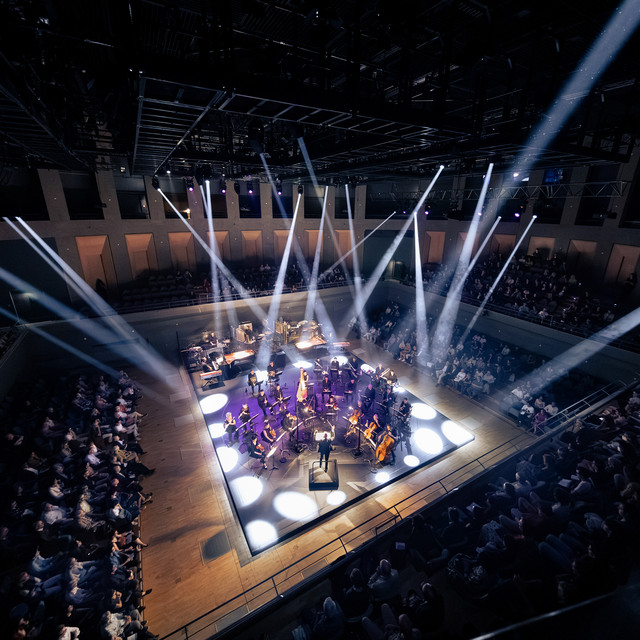
Ensemble Intercontemporain
Expressionism
Classical
Avant-Garde
2
/5
György Ligeti
Classical
Avant-Garde
Electroacoustic
3
/5
Igor Stravinsky
Ballet
Neoclassicism
Classical
3
/5
Deutsches Symphonie-Orchester Berlin
Classical
Opera
Concerto
Download our mobile app
Get the Melodigging app and start digging for new genres on the go
Download on the App Store
Get it on Google Play
© 2026 Melodigging
Give feedback
Legal
Melodding was created as a tribute to
Every Noise at Once
, which inspired us to help curious minds keep digging into music's ever-evolving genres.