Genres
Artists
Albums
Make Music
Sign in
Sign in
Artists
Ragtime
Artists
Ragtime
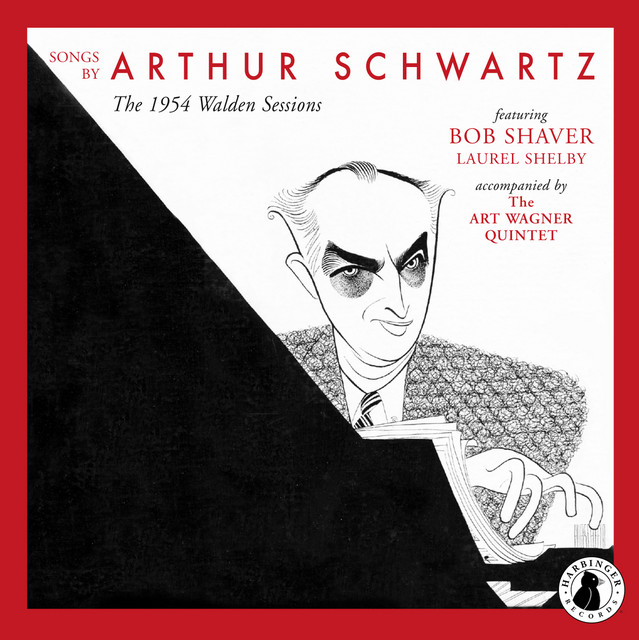
Arthur Schwartz
1951
·
1 album
Listen
1
/5
Genres
Soul Jazz
Soul jazz is a groove-forward branch of jazz that blends the improvisational language of hard bop with the churchy harmonies of gospel and the backbeat of rhythm & blues. It favors memorable riffs, earthy tones, and a strong, danceable pulse over dense harmonic complexity. Typical settings include Hammond B-3 organ trios (organ, guitar, drums) or small combos with saxophone or trumpet. Tunes often use blues forms, minor-key vamps, and gospel cadences, featuring call-and-response figures, pentatonic and blues-scale lines, and a relaxed but insistent pocket. The overall aesthetic is warm, direct, and soulful—equally at home in jazz clubs, lounges, and on the radio.
Discover
Listen
Vintage Broadway
Vintage Broadway refers to the early-to-mid 20th‑century sound and songwriting craft of New York’s commercial musical theatre—before rock, pop, and megamusical aesthetics reshaped the stage. It centers on witty, tightly structured songs written for book musicals, operetta-influenced shows, and revues, typically scored for pit orchestras and sung in a clear, speech‑driven “legit” or belt style. Musically, it blends Tin Pan Alley songcraft (memorable hooks, AABA forms), ragtime and jazz rhythmic vitality, operetta lyricism, and vaudeville showmanship. Orchestrations spotlight woodwinds, brass, and strings with rhythm section underpinning; patter songs, charm songs, ballads, and uptempo dance numbers advance character and plot. The style gave rise to the American Songbook and a canon of show tunes that remain standards—defined by clever rhyme, character‑specific lyrics, pliant prosody, and melodies that sit well for stage voices.
Discover
Listen
Ragtime
Ragtime is an African American–rooted piano style that flourished from the 1890s to the 1910s, characterized by lively syncopation in the right hand against a steady, march-like “oom‑pah” accompaniment in the left hand. Typically written in 2/4 or 4/4 time and notated with straight (unswung) eighth notes, classic rags unfold in multiple 16‑bar strains, often in the form AABBACCDD. The music draws on cakewalk rhythms, marching-band forms, and popular song, and it became a sensation through sheet music, piano rolls, and parlor performance. Scott Joplin, known as the “King of Ragtime,” helped codify the genre’s refined, compositional approach, calling for moderate tempos and a clear, singing melody. Beyond solo piano, ragtime was arranged for small ensembles and orchestras, found a home in vaudeville and dance halls, and laid essential groundwork for early jazz, stride piano, and much of 20th‑century American popular music.
Discover
Listen
Albums
1951
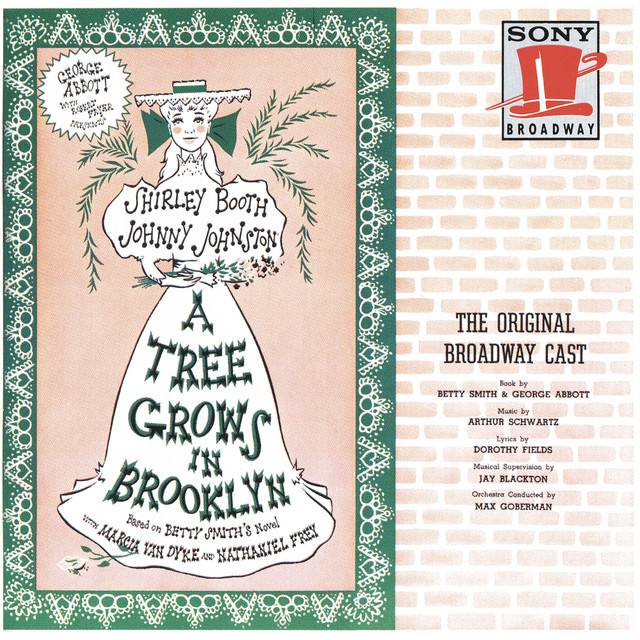
A Tree Grows in Brooklyn (Original Broadway Cast Recording)
Arthur Schwartz, The Original Broadway Cast Of A Tree Grows In Brooklyn
Vintage Broadway
Similar artists
1
/5
Various Artists
Soundtrack
Afro-Funk
Alternative Rock
3
/5
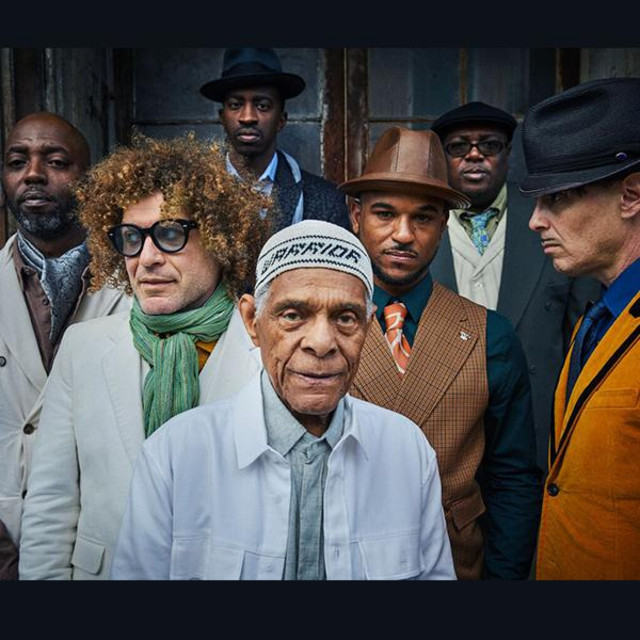
Preservation Hall Jazz Band
Dixieland
Jazz
Cajun
4
/5
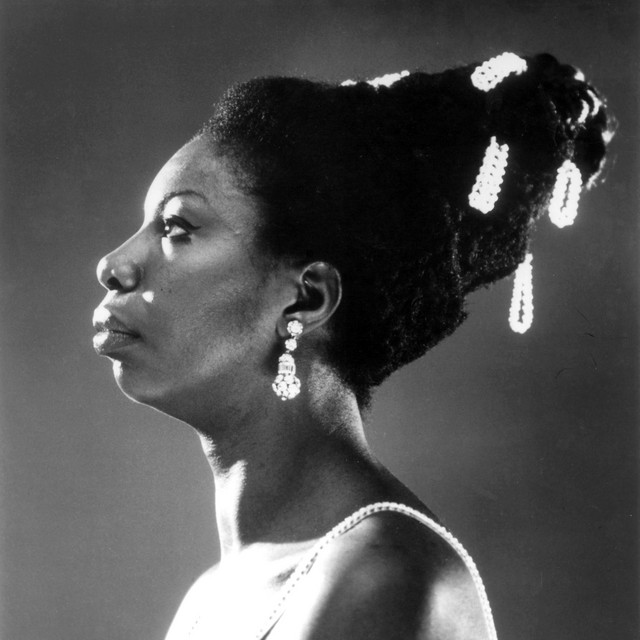
Nina Simone
Jazz
Soul Jazz
Vocal Jazz
4
/5
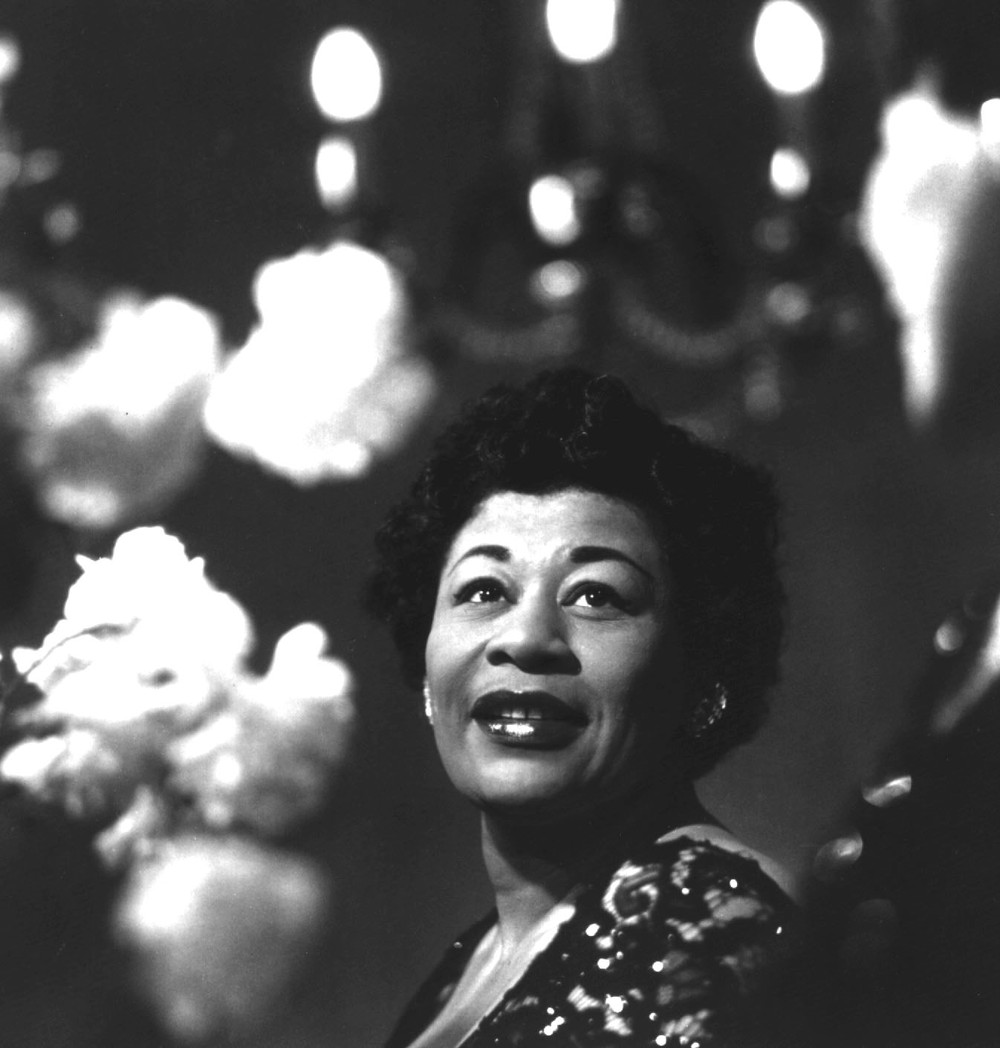
Ella Fitzgerald
Jazz
Swing
Vocal Jazz
4
/5
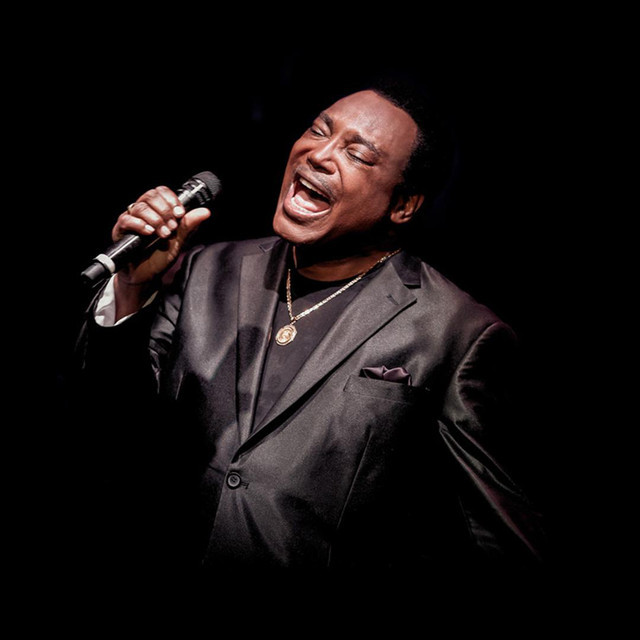
George Benson
Soul Jazz
Smooth Jazz
Jazz
4
/5
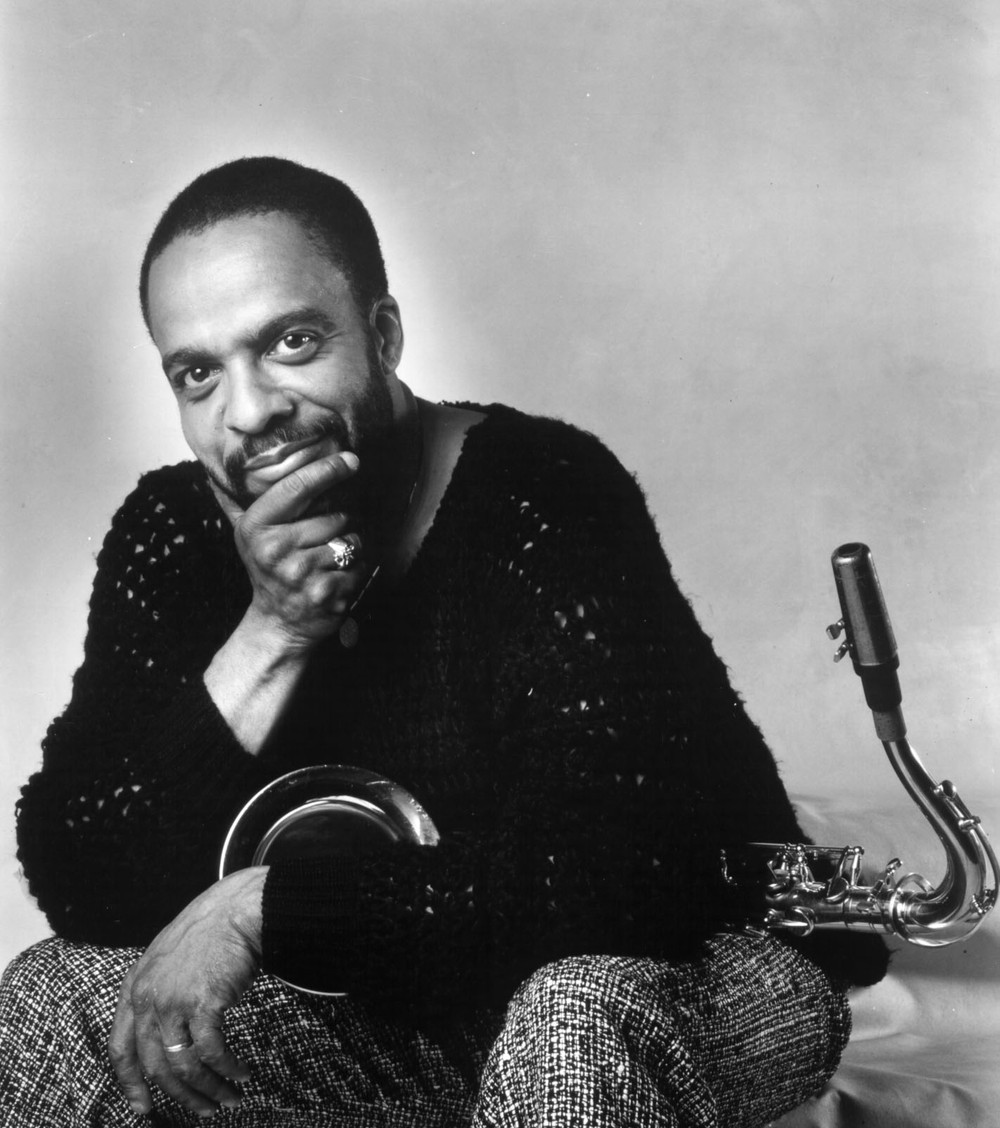
Grover Washington, Jr.
Smooth Jazz
Soul Jazz
Jazz
4
/5
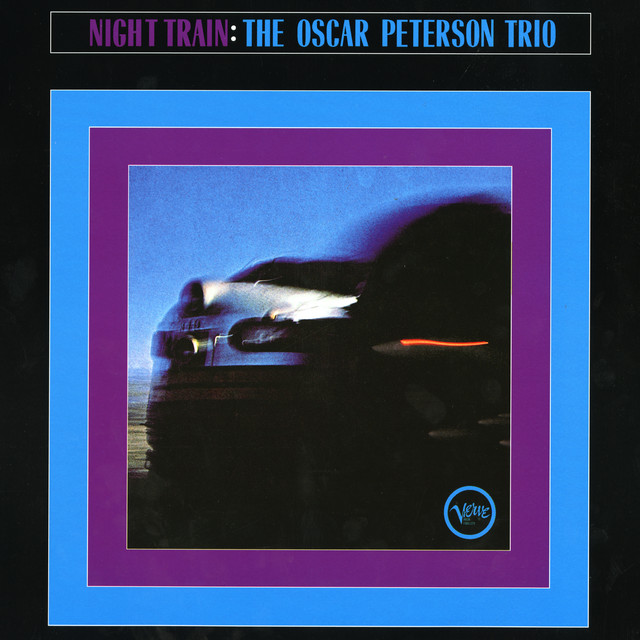
Oscar Peterson Trio
Contemporary Post-Bop
Bebop
Cool Jazz
3
/5
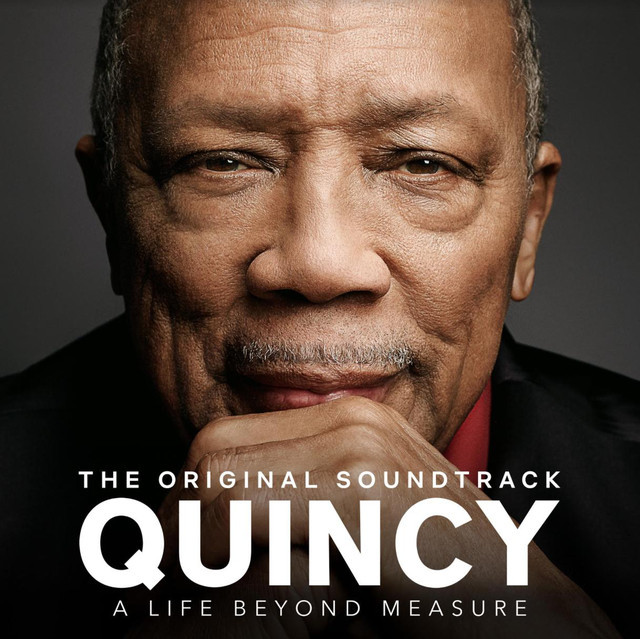
Quincy Jones
Big Band
Soul Jazz
Quiet Storm
3
/5
Oscar Peterson
Jazz
Bebop
Cool Jazz
3
/5
JERRY'S SOUND ROOM
Soul Blues
Blues
Soul
Download our mobile app
Get the Melodigging app and start digging for new genres on the go
Download on the App Store
Get it on Google Play
© 2026 Melodigging
Give feedback
Legal
Melodding was created as a tribute to
Every Noise at Once
, which inspired us to help curious minds keep digging into music's ever-evolving genres.