Genres
Artists
Albums
Make Music
Sign in
Sign in
Artists
Sufi
Artists
Sufi
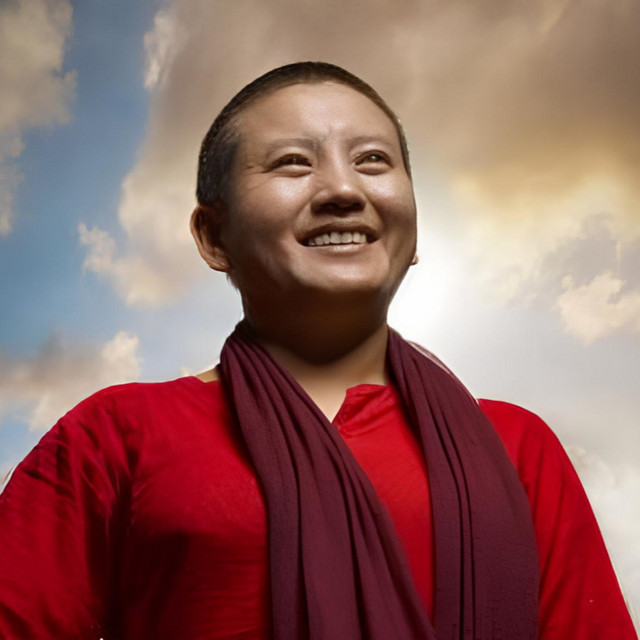
Ani Choying Drolma
1 album
Listen
2
/5
Genres
Tibetan Pop
Tibetan pop blends modern Chinese- and global-style pop production with Tibetan melodic language, vocal timbres, and imagery. Typical songs use anhemitonic pentatonic melodies, open-throated high-register vocals, and lyrics that evoke mountains, grasslands, and Buddhist-inflected ideas of longing, devotion, and home. Arrangements range from soft ballads with keyboard pads and acoustic guitar to upbeat dance-pop with drum machines, synths, and bright hooks. Regional instruments like the dranyen (Tibetan lute) and piwang (spike fiddle) are sometimes layered with standard pop instrumentation, creating a hybrid sound that feels both contemporary and rooted in Tibetan tradition.
Discover
Listen
Sufi
Sufi is a devotional musical tradition rooted in Islamic mysticism that seeks to induce remembrance of the Divine (dhikr) and transport performers and listeners toward spiritual ecstasy (wajd). It is not a single uniform style, but a family of practices that vary across regions—most notably Persian/Iranian, Anatolian/Turkish (Mevlevi), Arab, and South Asian (qawwali, kafi). Musically, Sufi repertoire tends to revolve around repetitive, mantra-like refrains, call-and-response between lead and chorus, and gradual intensification over cyclical rhythms. Melodic language draws from regional modal systems such as the Persian dastgāh, Ottoman/Turkish makam, and South Asian raga, and is often supported by drones. Texts are central: poetry by mystic masters like Rumi, Hafez, Bullhe Shah, and Amir Khusrau is sung in Persian, Urdu, Punjabi, Arabic, Turkish, and other languages. Instrumentation varies by locale—harmonium, tabla/dholak, tanpura, and clapping in South Asia; ney, kudüm, bendir, and tanbur in Turkey; oud and frame drums across the Arab world—yet the unifying aim is spiritual uplift and inner transformation.
Discover
Listen
Tibetan Buddhist Chant
Tibetan Buddhist chant is a liturgical vocal tradition used in monasteries and temples across the Tibetan cultural sphere. Its most recognizable sound is the exceptionally low, overtone-rich "chordal" chanting practiced by tantric colleges, in which monks produce a fundamental tone with audible subharmonics to create a multi-tone effect. The chant accompanies ritual cycles, recitation of sutras and tantras, and the repetition of mantras such as "Om Mani Padme Hum." It is often framed by ritual instruments—long horns (dungchen), double-reed oboes (gyaling), conch shells (dungkar), thighbone trumpets (kangling), cymbals (rolmo, silnyen), hand drums (damaru), frame drums (nga), and bells (drilbu)—that cue sections, signal deities, and shape the ritual flow. Melodically, the style favors sustained tones, narrow-range formulae, and modal inflections; rhythm is breath-governed and leader-choir responsorial rather than strictly metrical. Beyond its sonic qualities, the chant is a contemplative practice: texts and seed syllables are vocalized with the aim of stabilizing attention, invoking enlightened qualities, and enacting visualization practices central to Vajrayana Buddhism.
Discover
Listen
Albums
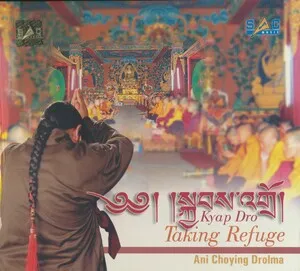
༄༅། །སྐྱབས་འགྲོ། (Kyap Dro: Taking Refuge)
Ani Chöying Drolma
Tibetan Buddhist Chant
Similar artists
5
/5
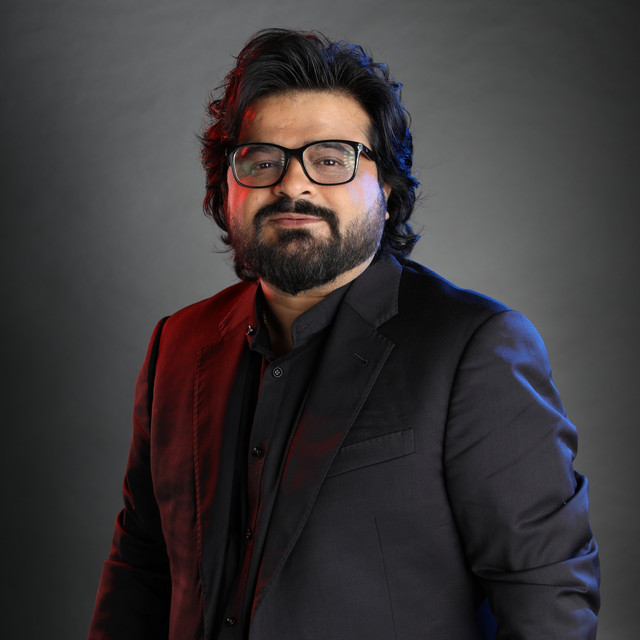
Pritam
Bollywood
Filmi
Pop
5
/5
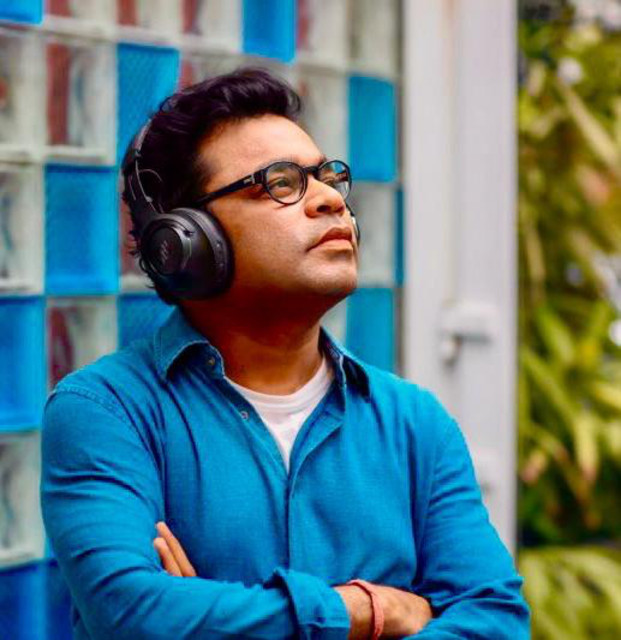
A.R. Rahman
Bollywood
Filmi
Sufi
5
/5
Vishal-Shekhar
Bollywood
Filmi
Pop
5
/5
Atif Aslam
Qawwali
Sufi
Bollywood
5
/5
Irshad Kamil
Bollywood
Filmi
Pop
5
/5
Mithoon
Bollywood
Modern Bollywood
Filmi
4
/5
Shankar Mahadevan
Marathi Pop
Bhajan
Tamil Dance
4
/5
Shashwat Sachdev
Gujarati Pop
Bollywood
Haryanvi Pop
4
/5
Rahat Fateh Ali Khan
Ghazal
Qawwali
Sufi
4
/5
Mohit Chauhan
Bollywood
Desi
Hindi Pop
Download our mobile app
Get the Melodigging app and start digging for new genres on the go
Download on the App Store
Get it on Google Play
© 2026 Melodigging
Give feedback
Legal
Melodding was created as a tribute to
Every Noise at Once
, which inspired us to help curious minds keep digging into music's ever-evolving genres.