Your digging level
Description
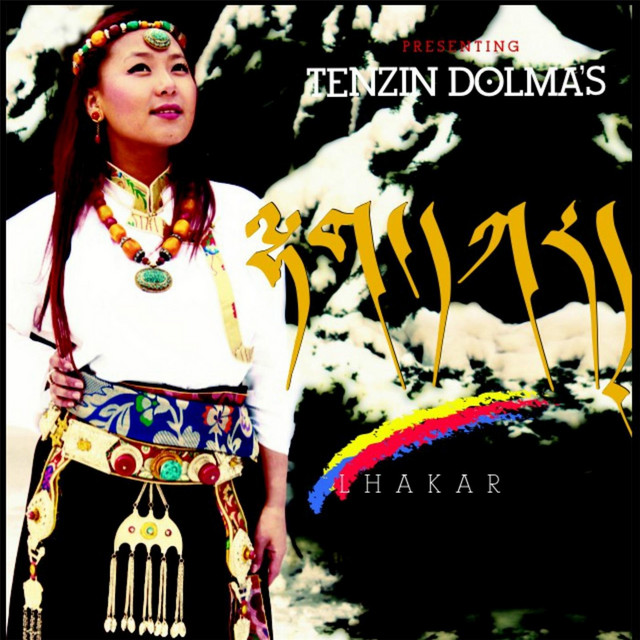
Tibetan pop blends modern Chinese- and global-style pop production with Tibetan melodic language, vocal timbres, and imagery. Typical songs use anhemitonic pentatonic melodies, open-throated high-register vocals, and lyrics that evoke mountains, grasslands, and Buddhist-inflected ideas of longing, devotion, and home.
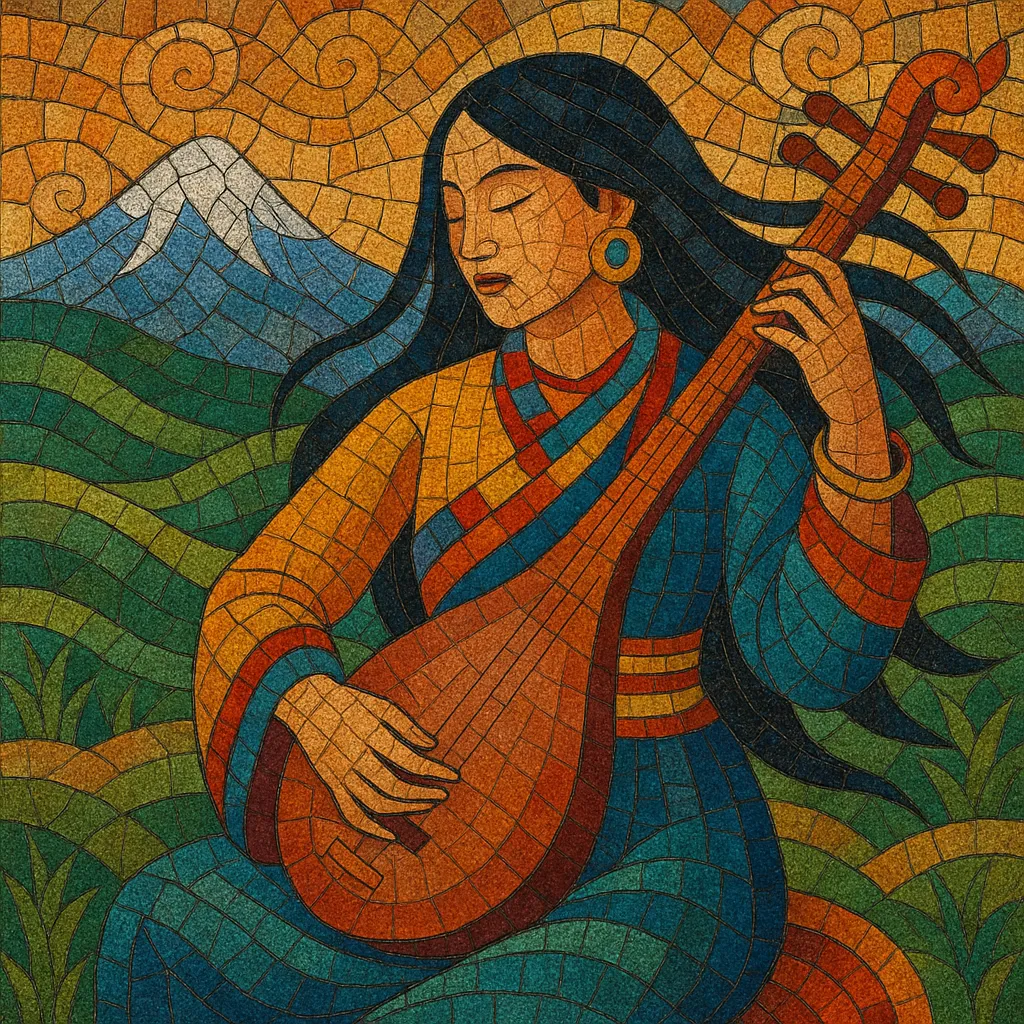
Arrangements range from soft ballads with keyboard pads and acoustic guitar to upbeat dance-pop with drum machines, synths, and bright hooks. Regional instruments like the dranyen (Tibetan lute) and piwang (spike fiddle) are sometimes layered with standard pop instrumentation, creating a hybrid sound that feels both contemporary and rooted in Tibetan tradition.
History
Tibetan pop coalesced in the 1980s as cassette culture, radio, and touring ensembles spread modern popular styles to Tibetan regions. Local singers began setting Tibetan-language lyrics to pop ballad and light-rock templates borrowed from C-pop and Mandopop, retaining pentatonic melodies and characteristic vocal delivery.
Through the 1990s, a flourishing market of cassettes and VCDs helped Tibetan pop reach audiences across the Tibetan Plateau and neighboring provinces. Artists alternated between celebratory dance numbers and sentimental ballads, often referencing landscapes, festivals, and everyday life. Production increasingly adopted drum machines, synthesizers, and electric guitar while preserving Tibetan melodic contours.
In the 2000s, Tibetan-identifying pop stars gained wider Chinese-language exposure, and some artists from the Tibetan diaspora (notably in India and Nepal) released Tibetan-language pop that circulated via DVDs and early social media. The period saw polished studio productions, power-ballad aesthetics, and the incorporation of contemporary C-pop songwriting forms.
Digital platforms amplified regional and diaspora voices, enabling niche and mainstream Tibetan pop to coexist. Producers increasingly blended EDM elements, modern R&B chords, and cinematic sound design with traditional instruments and folk refrains. Live performances feature pop-band lineups augmented by dranyen or piwang, while music videos foreground Tibetan dress, dance, and scenery to reinforce cultural identity.