Genres
Artists
Albums
Make Music
Sign in
Sign in
Artists
Baroque
Artists
Baroque
Angela Hewitt
Listen
3
/5
Genres
432hz
432hz is a wellness-oriented ambient/New Age micro-genre built around tuning music to the alternative concert pitch A=432 Hz instead of the modern standard A=440 Hz. In practice, 432hz releases are largely instrumental, slow-tempo, and reverb-rich, combining soft pads, drones, gentle piano, bowls/chimes, and nature sounds. Tracks are marketed for relaxation, meditation, yoga, sleep, and "energy" or "chakra" work, and are frequently tagged with wellness keywords. While advocates claim psychoacoustic or physiological benefits from 432 Hz tuning, these claims remain unproven; the sound signature audiences respond to is the calm production, consonant harmony, and spacious mixing typical of ambient and New Age music. As a streaming-native style, 432hz thrives on platforms like YouTube and Spotify where long-form background listening, SEO-friendly titling, and looping visuals support use-cases such as study, mindfulness, and sleep.
Discover
Listen
Classical Piano
Classical piano is the tradition of composing and performing music for the acoustic piano within the Western classical lineage. It emphasizes formal clarity, tonal harmony, contrapuntal writing, and expressive nuance across the full compass of the instrument. Its core repertoire ranges from Classical-era sonatas and variations to Romantic character pieces, études, dances, and 20th-century impressionistic and modernist works. Pianists exploit dynamics, articulation, pedaling, and touch to shape phrases, imitate orchestral textures, and project both intimate lyricism and large-scale drama.
Discover
Listen
Baroque
Baroque is a period and style of Western art music spanning roughly 1600–1750. It is characterized by the birth of functional tonality, the widespread use of basso continuo (figured bass), and a love of contrast—between soloist and ensemble, loud and soft, and different timbres. Hallmark genres and forms of the era include opera, cantata, oratorio, concerto (especially the concerto grosso), dance suite, sonata, and fugue. Textures range from expressive monody to intricate counterpoint, and melodies are richly ornamented with trills, mordents, and appoggiaturas. Baroque music flourished in churches, courts, and theaters across Europe, with regional styles (Italian, French, German, English) shaping distinctive approaches to rhythm, dance, harmony, and ornamentation.
Discover
Listen
Classical
Classical music is the notated art-music tradition of Europe and its global descendants, characterized by durable forms, carefully codified harmony and counterpoint, and a literate score-based practice. The term “classical” can refer broadly to the entire Western art-music lineage from the Medieval era to today, not just the Classical period (c. 1750s–1820s). It privileges long-form structures (such as symphonies, sonatas, concertos, masses, and operas), functional or modal harmony, thematic development, and timbral nuance across ensembles ranging from solo instruments to full orchestras and choirs. Across centuries, the style evolved from chant and modal polyphony to tonal harmony, and later to post-tonal idioms, while maintaining a shared emphasis on written notation, performance practice, and craft.
Discover
Listen
Western Classical
Western classical is the notated art-music tradition that developed in Europe from medieval Christian chant into the large-scale secular and sacred forms of the Baroque, Classical, Romantic, and modern eras. It is characterized by staff notation, evolving systems of modality and tonality, and forms such as symphony, sonata, concerto, mass, opera, and chamber music. Across its history, Western classical established an extensive theory of harmony and counterpoint, refined orchestration across strings, winds, brass, and percussion, and cultivated performance practices from a cappella chant to full symphonic and operatic forces. Its repertoire, pedagogy, and institutions (conservatories, orchestras, opera houses) made it a global reference point for compositional craft and instrumental technique.
Discover
Listen
Similar artists
4
/5
Johann Sebastian Bach
Baroque
Classical
Baroque Suite
3
/5
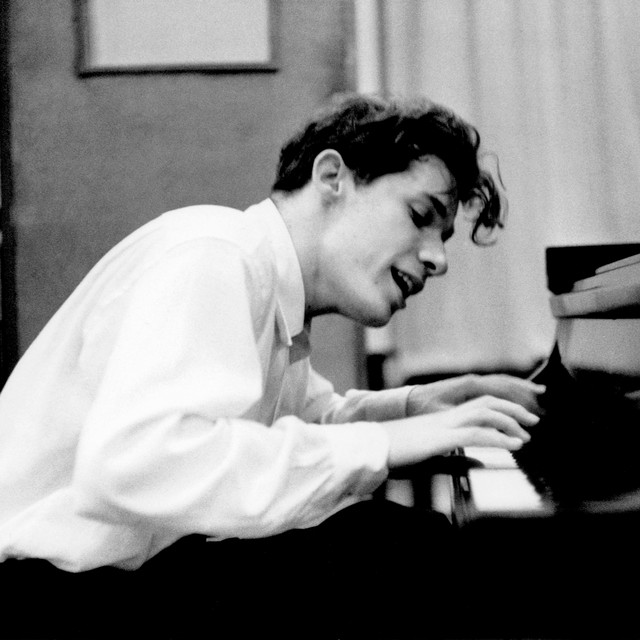
Glenn Gould
Baroque
Classical
Fugue
3
/5
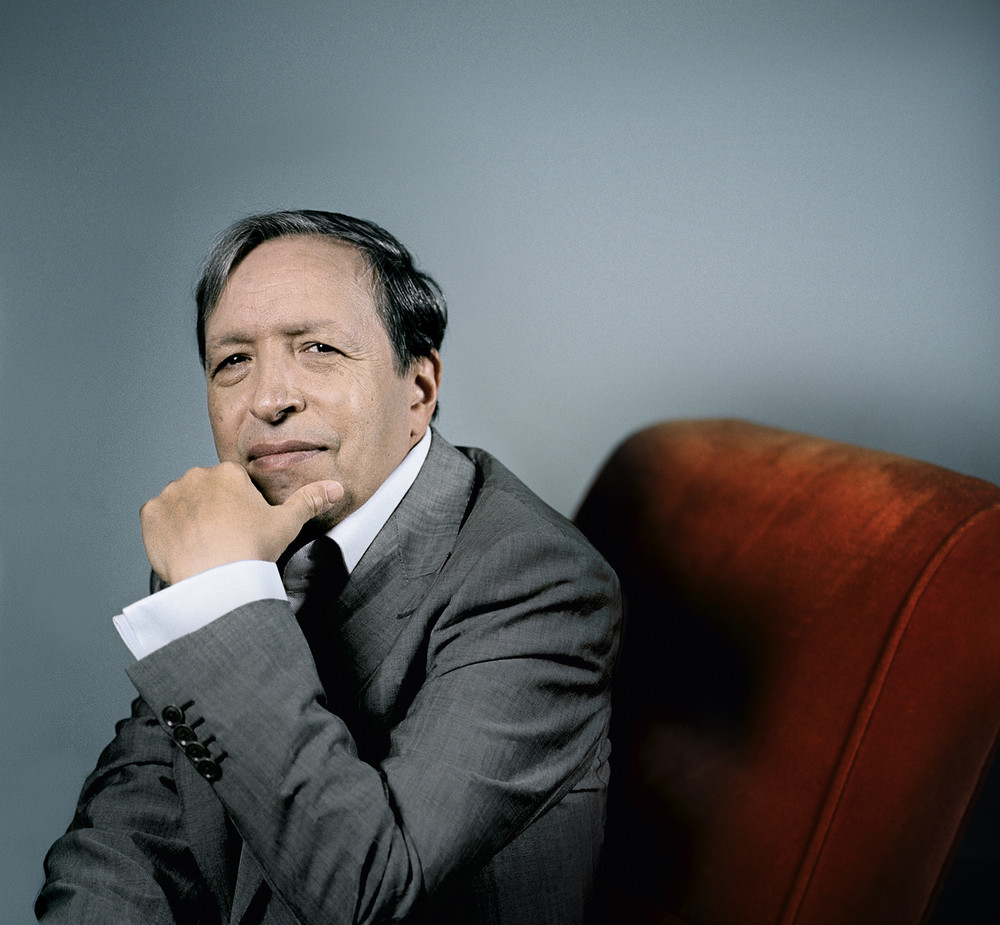
Murray Perahia
Classical
Baroque
Classical Performance
3
/5
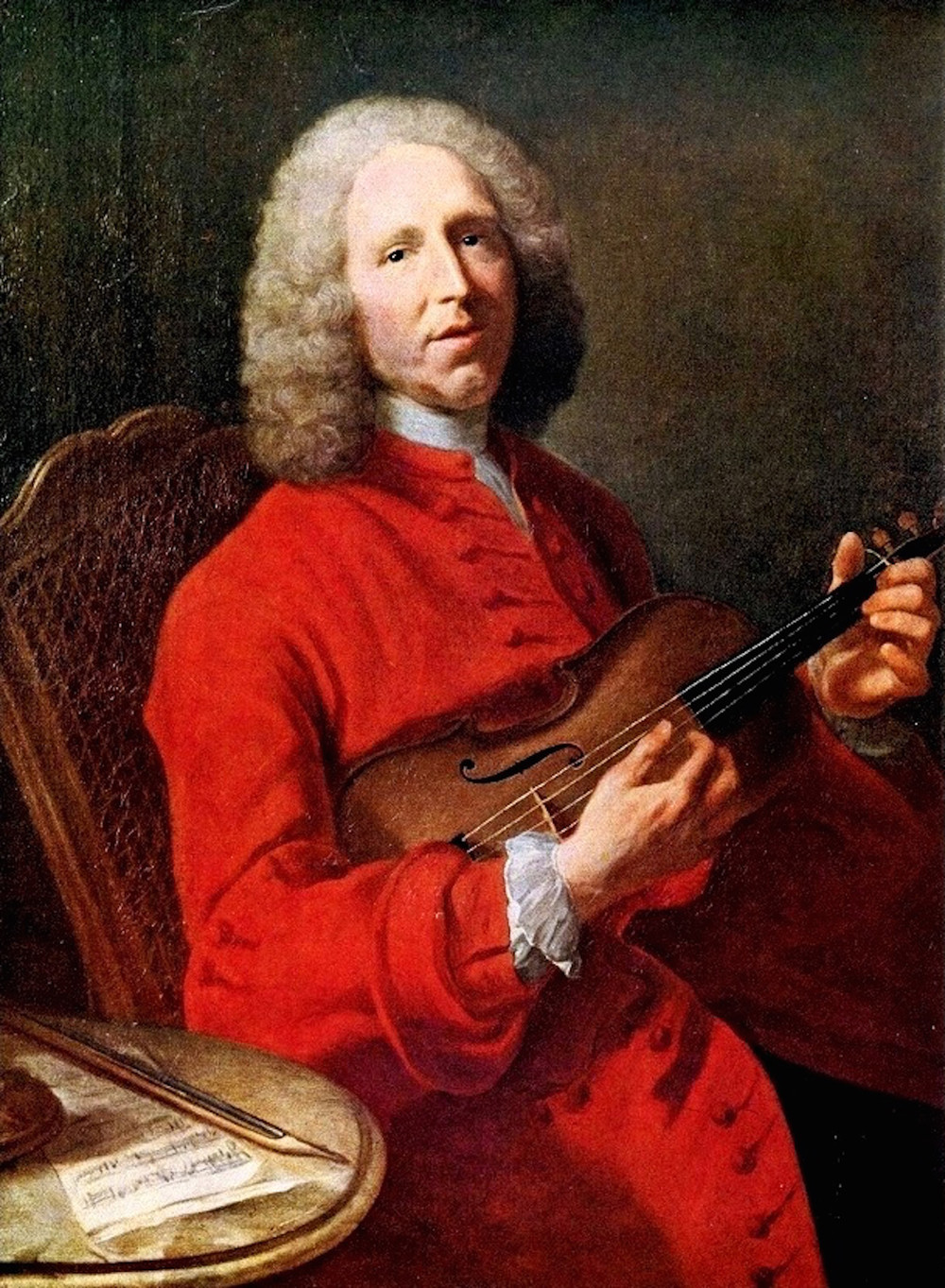
Jean-Philippe Rameau
Classical
Opera-Ballet
Tragédie En Musique
3
/5
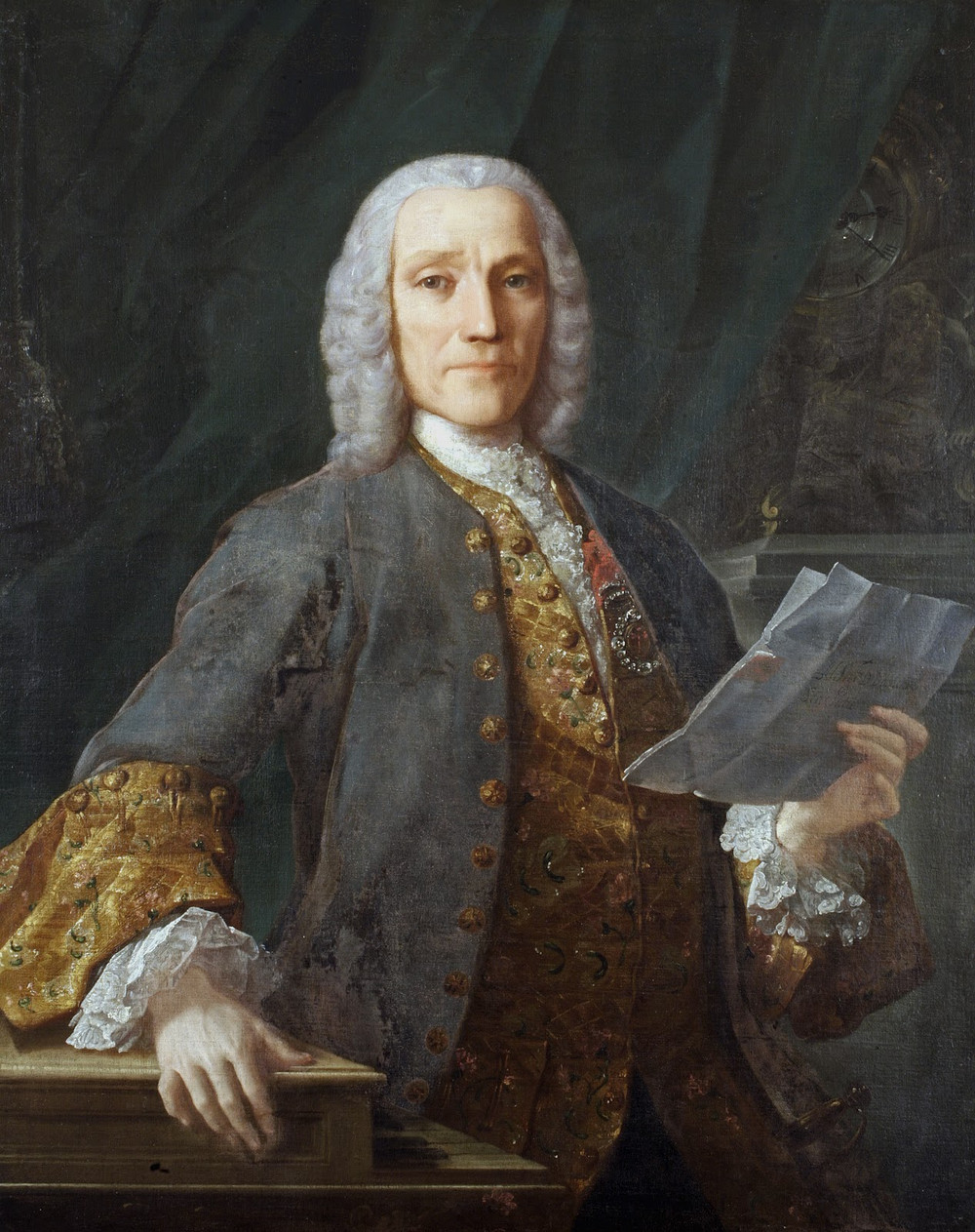
Domenico Scarlatti
Baroque
Classical
Classical Mandolin
3
/5
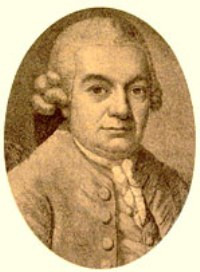
Carl Philipp Emanuel Bach
Baroque
Baroque Cello
Classical
3
/5
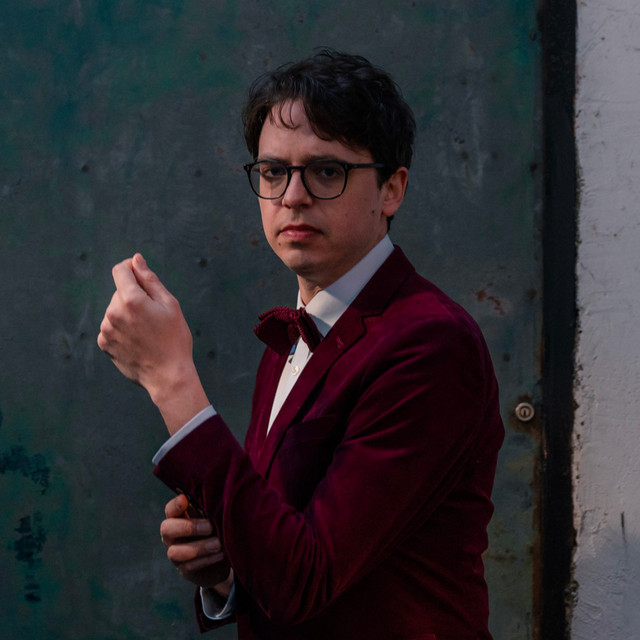
Lucas Debargue
Baroque
Chamber Music
Classical
3
/5
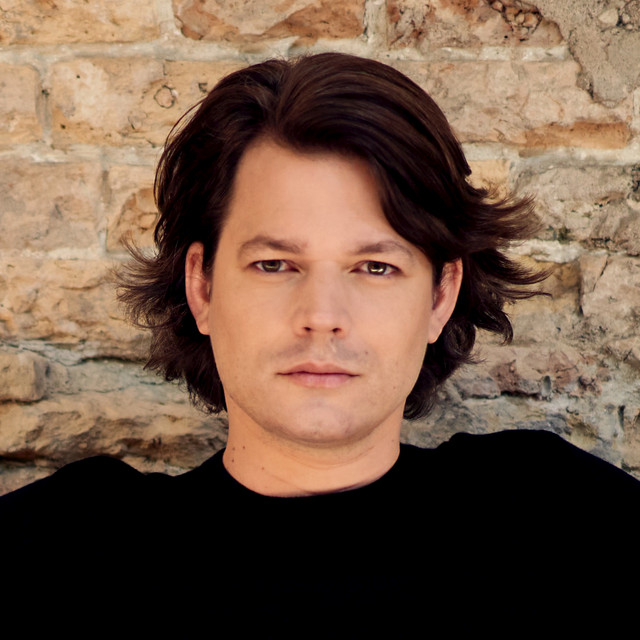
David Fray
Baroque
Classical
Classical Piano
3
/5
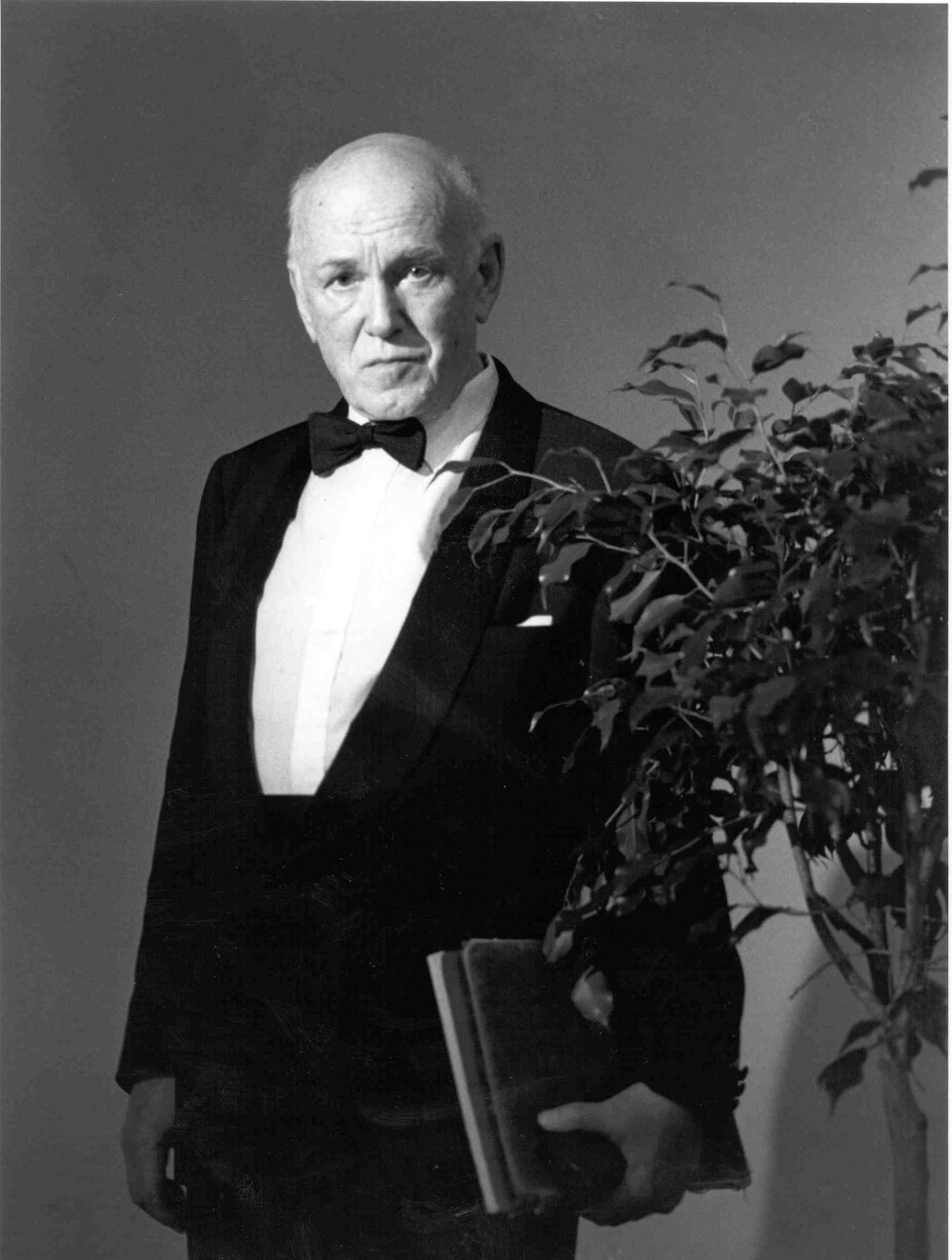
Sviatoslav Richter
Classical
Baroque
Chamber Music
3
/5
Ivo Pogorelich
Impressionism
Baroque
Classical
Download our mobile app
Get the Melodigging app and start digging for new genres on the go
Download on the App Store
Get it on Google Play
© 2026 Melodigging
Give feedback
Legal
Melodding was created as a tribute to
Every Noise at Once
, which inspired us to help curious minds keep digging into music's ever-evolving genres.