Genres
Artists
Albums
Make Music
Sign in
Sign in
Artists
New Wave
Artists
New Wave
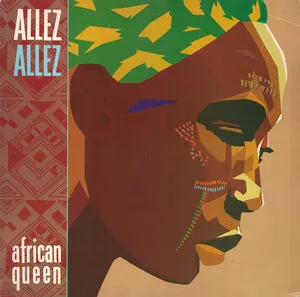
Allez Allez
1984
·
1 album
Listen
1
/5
Genres
Mutant Disco
Mutant disco is a hybrid, downtown New York dance sound that splices the four‑on‑the‑floor pulse of disco with the angularity of post‑punk, the abrasiveness of no wave, and the groove science of funk and dub. Coined and popularized around ZE Records’ 1981 compilation “Mutant Disco: A Subtle Discolation of the Norm,” it embraces irony, art‑school playfulness, and cosmopolitan polyrhythms. Expect rubbery basslines, clipped guitar scratches, hand percussion, early synths, and talk‑sung or theatrical vocals that subvert disco’s glossy hedonism while keeping its dancefloor logic intact. The style is loose by design—less a rigid formula than a creative ethos that remixes disco with downtown experimentalism, Caribbean/Latin flavors, and DIY punk energy.
Discover
Listen
House
House is a dance music genre that emerged in Chicago in the early 1980s, defined by a steady four-on-the-floor kick drum, off-beat hi-hats, soulful or hypnotic vocals, and groove-centric basslines. Typical tempos range from 118–130 BPM, and tracks are structured in DJ-friendly 16–32 bar phrases designed for seamless mixing. Drawing on disco’s celebratory spirit, electro-funk’s drum-machine rigor, and Italo/Hi-NRG’s synth-led sheen, house prioritizes repetition, tension-and-release, and communal energy on the dancefloor. Its sound palette often includes 808/909 drums, sampled or replayed disco/funk elements, filtered loops, piano/organ stabs, and warm, jazzy chords. Over time, house diversified into many substyles—deep house, acid house, French house, tech house, progressive house, and more—yet it remains a global foundation of club culture, known for emphasizing groove, inclusivity, and euphoria.
Discover
Listen
New Wave
New wave is a broad, pop-oriented umbrella for styles that emerged in the mid-to-late 1970s as a sleeker, more melodic outgrowth of punk culture. Initially, the term varied by region: in the United States it was first used by critics and labels (famously Sire Records’ “Don’t Call It Punk” campaign in 1977) to rebrand punk-associated artists with more radio-friendly aesthetics; in the United Kingdom it encompassed a wider constellation of fresh, stylish post-punk-era sounds. Over time, “new wave” became a catch‑all for hooky guitar pop, synth-driven songs, danceable rhythms, and modernist production sensibilities. Sonically, it blends tight, upbeat rhythms (often disco- and reggae-informed), clean chorus/flanger guitars, prominent synthesizers, and concise, hook-led songwriting. Its visual identity—sharp suits, futurist imagery, and fashion-forward presentation—was integral, aligning with the rise of music television and emphasizing art-school wit, irony, and modern urban themes.
Discover
Listen
Albums
1984
2
/5
African Queen
Allez Allez
Mutant Disco
Similar artists
4
/5
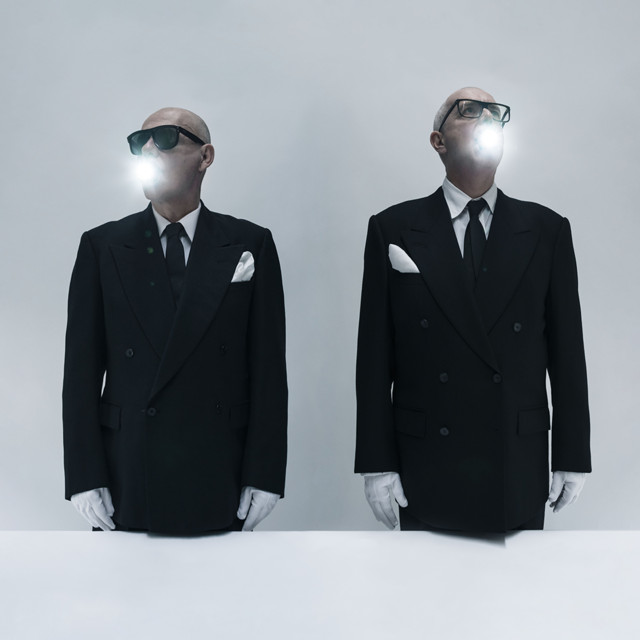
Pet Shop Boys
Synth-Pop
Dance-Rock
New Romantic
3
/5
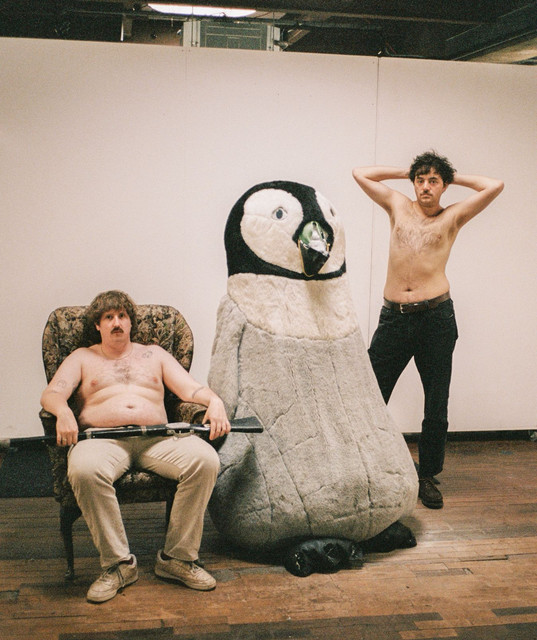
Getdown Services
Slacker Rock
Experimental Indie
Indie Dream Pop
3
/5
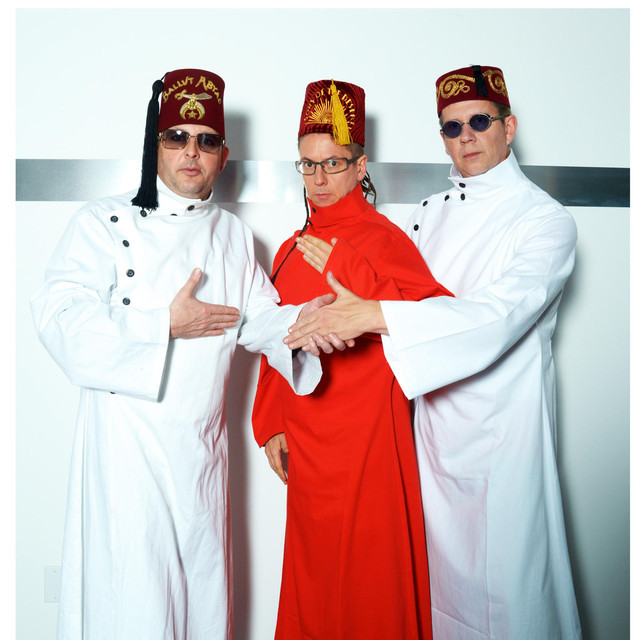
Information Society
Funk Melody
Freestyle
Synth-Pop
1
/5
Various Artists
Afro-Funk
Alternative Rock
Ambient
5
/5
Gorillaz
Alternative Hip Hop
Electronic
Modern Rock
4
/5
Kim Petras
Transpop
Dance-Pop
Electropop
4
/5
Groove Armada
Nu Skool Breaks
Big Beat
Electronic
5
/5
The Smiths
Jangle Pop
Madchester
New Wave
5
/5
David Bowie
Art Rock
Rock
Glam Rock
5
/5
The Cure
Gothic Rock
Post-Punk
New Wave
Download our mobile app
Get the Melodigging app and start digging for new genres on the go
Download on the App Store
Get it on Google Play
© 2026 Melodigging
Give feedback
Legal
Melodding was created as a tribute to
Every Noise at Once
, which inspired us to help curious minds keep digging into music's ever-evolving genres.