Genres
Make Music
Artists
Albums
Challenges
Sign in
Sign in
Albums
By Various Artists
Albums
By Various Artists
Psycho Killer: 1977 Rock
March 13, 2020
Listen
3
/5
Genres
Dance-Rock
Dance-rock is a fusion of rock’s guitar-driven energy with the steady, club-ready pulse of dance music. It favors tight, syncopated rhythm sections, prominent basslines, four-on-the-floor or disco-derived grooves, and the liberal use of synthesizers, sequencers, and drum machines alongside live instrumentation. The style often overlaps with new wave and post-punk, delivering hooky choruses, glossy production, and extended 12-inch remixes designed for DJs and dance floors. Typical sonics include choppy funk guitar, gated-reverb drums, bright synth leads or pads, and pop-leaning vocal melodies with an urbane, stylish aesthetic.
Discover
Listen
Art Punk
Art punk is a strand of punk that embraces avant-garde methods, conceptual framing, and experimental songcraft while retaining punk’s immediacy and economy. It favors angular guitars, nonstandard song structures, and an art-school sensibility that treats the band as both a musical and visual project. Drawing on proto‑punk, art rock, and the downtown gallery/club scenes, art punk often features dissonance, spoken or affectless vocals, minimal or motorik grooves, and lyrics that are ironic, cerebral, or politically critical. The result is music that is fierce yet meticulously designed, marrying punk energy to avant-garde curiosity.
Discover
Listen
Zolo
Zolo is a retrospective label for flamboyant, quirky, and tightly arranged pop/rock that fuses the nervy immediacy of New Wave with the intricate songcraft and rhythmic left‑turns of Progressive Rock—often performed with the manic, kinetic energy of Punk. The name "Zolo" was coined by radio DJ Terry Sharkie around 1989, and the concept was popularized to a wider audience via his live broadcast The Zany Zolo Musik Hour, which premiered on June 25, 1995. Although the tag emerged later, it gathers together late‑1970s and 1980s artists who favored herky‑jerky grooves, bright synths, stop‑start structures, theatrical vocals, and a cartoonish, art‑school sense of humor. Zolo tends to be hooky yet rhythmically tricky: upbeat, sing‑along melodies ride atop odd meters, jagged chord changes, and frequent dynamic shifts. The overall vibe is clever, colorful, and hyperactive—fun, but engineered with precision.
Discover
Listen
Post-Punk
Post-punk is a broadly experimental strain of rock that emerged in the late 1970s as artists sought to push beyond the speed, simplicity, and orthodoxy of first-wave punk. It typically features angular, bass-forward grooves; jagged or minimal guitar lines; stark, spacious production; and an openness to dub, funk, electronic, and avant-garde ideas. Lyrics often examine alienation, urban decay, politics, and the inner life with artful or abstract delivery. A studio-as-instrument approach, emphasis on rhythm section interplay, and an appetite for non-rock textures (tape effects, drum machines, found sound, synths) distinguish the style. The result can be danceable yet tense, cerebral yet visceral, and emotionally restrained yet intensely expressive.
Discover
Listen
New Wave
New wave is a broad, pop-oriented umbrella for styles that emerged in the mid-to-late 1970s as a sleeker, more melodic outgrowth of punk culture. Initially, the term varied by region: in the United States it was first used by critics and labels (famously Sire Records’ “Don’t Call It Punk” campaign in 1977) to rebrand punk-associated artists with more radio-friendly aesthetics; in the United Kingdom it encompassed a wider constellation of fresh, stylish post-punk-era sounds. Over time, “new wave” became a catch‑all for hooky guitar pop, synth-driven songs, danceable rhythms, and modernist production sensibilities. Sonically, it blends tight, upbeat rhythms (often disco- and reggae-informed), clean chorus/flanger guitars, prominent synthesizers, and concise, hook-led songwriting. Its visual identity—sharp suits, futurist imagery, and fashion-forward presentation—was integral, aligning with the rise of music television and emphasizing art-school wit, irony, and modern urban themes.
Discover
Listen
Funk Rock
Funk rock is a hybrid style that fuses the syncopated grooves, percussive rhythm guitar, and deep pocket of funk with the distorted riffs, power, and song forms of rock. Typical tracks feature tight, 16th‑note rhythmic interplay between bass, drums, and rhythm guitar, while lead guitars and vocals deliver rock’s edge and attitude. The harmony often stays close to dominant 7th (Mixolydian) colors and blues vocabulary, keeping the groove front and center. The style ranges from psychedelic and P‑Funk‑inflected experiments of the late 1960s and 1970s to the punchy alternative and crossover sounds of the 1980s and 1990s, and it continues to inform dance‑oriented rock and genre‑blending bands today.
Discover
Listen
Similar albums
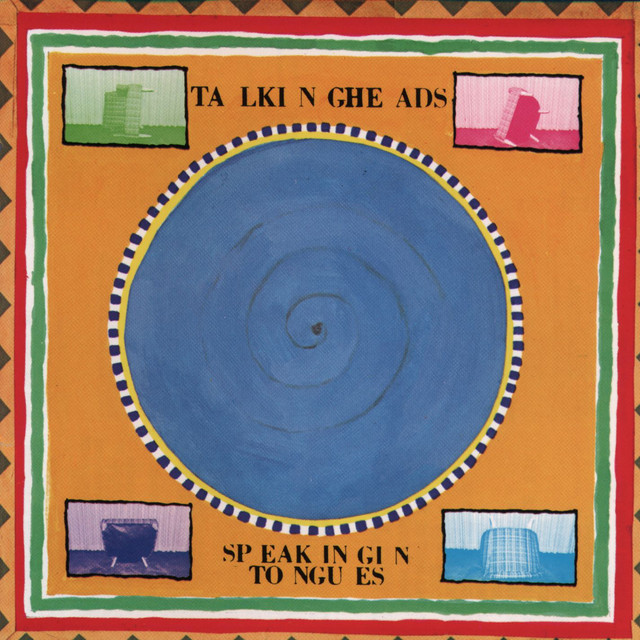
1983
Speaking in Tongues (Deluxe Version)
Talking Heads
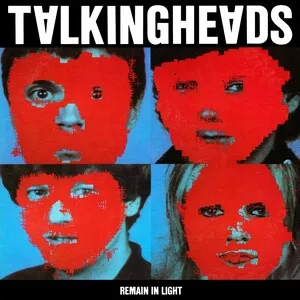
1980
Remain in Light
Talking Heads
1977
Talking Heads: 77
Talking Heads
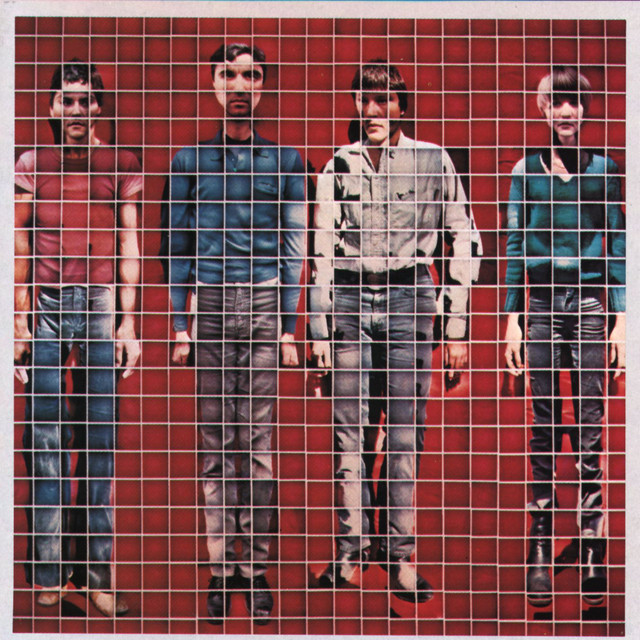
1978
More Songs About Buildings and Food
Talking Heads
2022
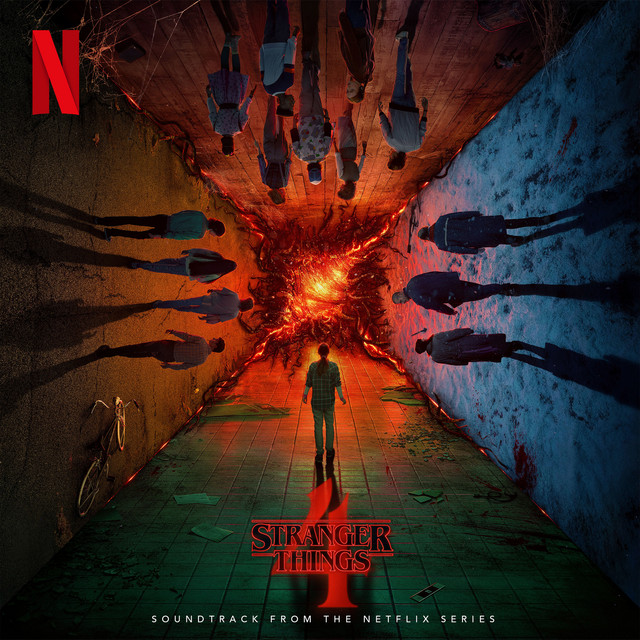
Stranger Things: Soundtrack from the Netflix Series, Season 4
Talking Heads
1984
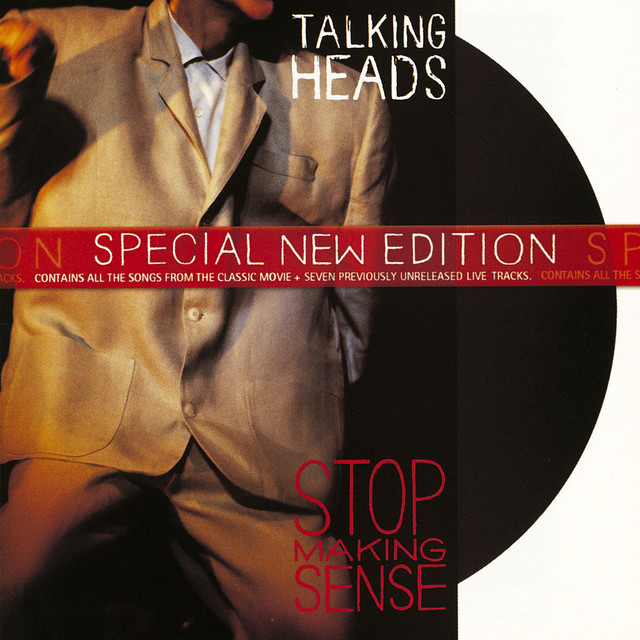
Stop Making Sense (Live)
Talking Heads
1985
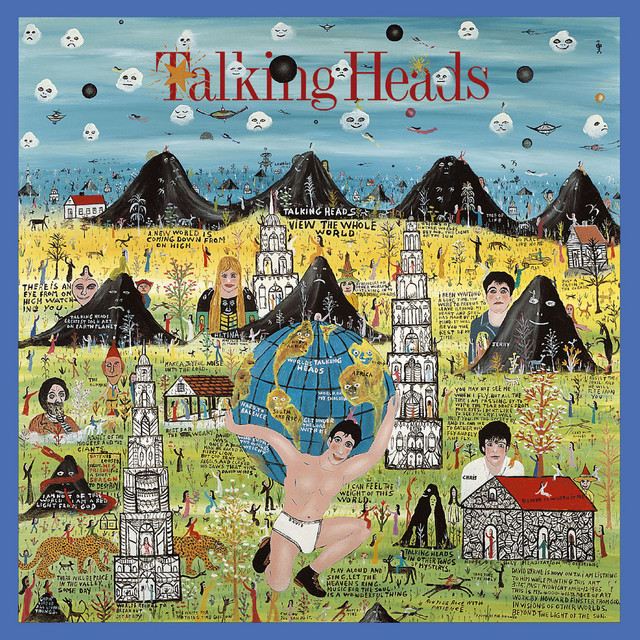
Little Creatures
Talking Heads
1979
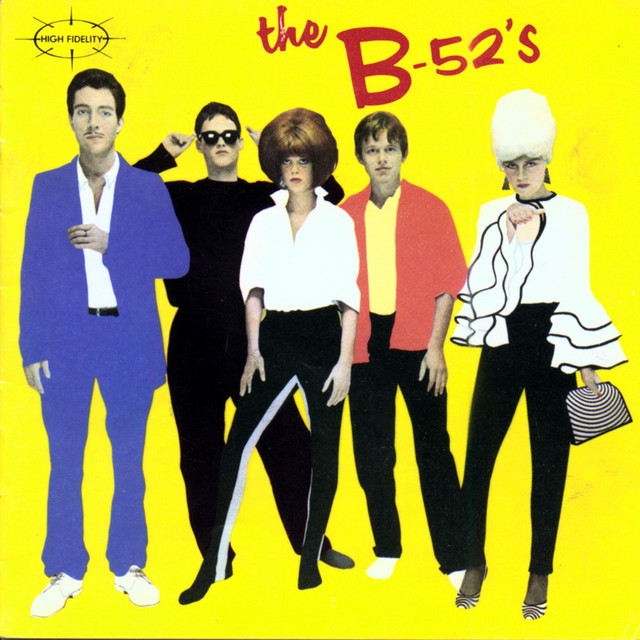
The B-52's
The B-52's
1979
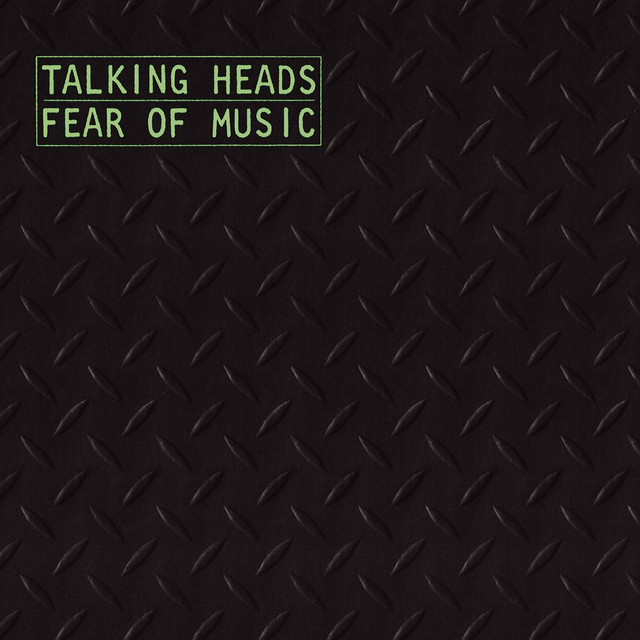
Fear of Music (Deluxe Version)
Talking Heads
1978
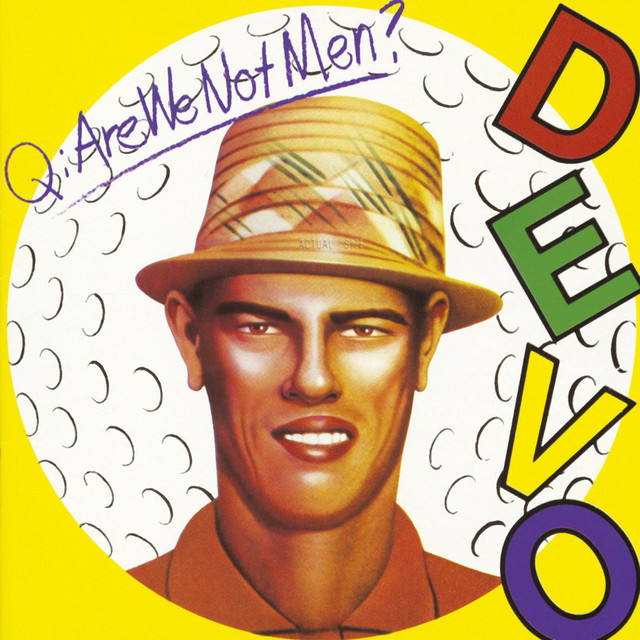
Q: Are We Not Men? A: We Are Devo!
Devo
Download our mobile app
Get the Melodigging app and start digging for new genres on the go
Download on the App Store
Get it on Google Play
© 2026 Melodigging
Give feedback
Legal
Melodding was created as a tribute to
Every Noise at Once
, which inspired us to help curious minds keep digging into music's ever-evolving genres.