Genres
Make Music
Artists
Albums
Challenges
Sign in
Sign in
Albums
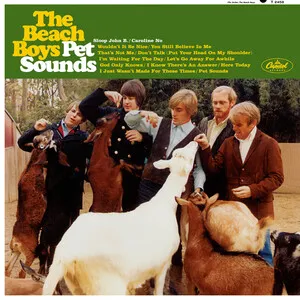
By The Beach Boys
Albums
By The Beach Boys
Pet Sounds
May 16, 1966
Listen
4
/5
Genres
Tech-Noir
Tech-noir is a musical subgenre and aesthetic within the synthwave and darksynth scenes, characterized by a dark, cinematic, and dystopian atmosphere. It draws heavy inspiration from 1980s science fiction and neo-noir films, blending retro-futuristic synthesizer melodies with driving basslines and industrial elements. The music often incorporates narrative storytelling, spoken word samples, and soundscapes that evoke a sense of urban decay, high-tech menace, and cynical romance.
Discover
Listen
Animutation
Animutation is a surreal, collage-style form of short-form animation that emerged in the early 2000s on the web. Pieces typically juxtapose cut‑out photos of celebrities, public figures, and random objects with frenetic lip‑syncing and rapid, non‑sequitur edits. Most classics were authored in Adobe Flash (now Animate), embracing a deliberately crude, low‑resolution aesthetic: jagged edges, mismatched tweening, garish color clashes, and pop‑up gags layered over hyperactive foreign pop, dance, or novelty tracks. The result is a proto‑meme audio‑visual collage—equal parts absurdist humor, culture‑jamming, and internet folk art.
Discover
Listen
Sunshine Pop
Sunshine pop is a lush, harmony-rich strain of 1960s pop that foregrounds radiant melodies, stacked vocals, and orchestral color. It embraces optimism and breezy sophistication, often pairing bright major-key hooks with refined arrangements featuring strings, woodwinds, brass, and shimmering percussion. Stylistically it sits between baroque pop and the lighter side of psychedelic pop: less about mind-expanding experimentation and more about feel-good euphoria, California imagery, and immaculate studio craft. Clean guitars, harpsichord, vibraphone, and glockenspiel are common, as are upward key changes, major-seventh chords, and close-voiced harmonies. Beneath the sunniness, many recordings carry a tender, wistful undercurrent that gives the music depth.
Discover
Listen
Baroque Pop
Baroque pop is a mid‑1960s fusion of contemporary pop/rock songwriting with the timbres, textures, and contrapuntal techniques of Baroque and broader European classical music. It is marked by harpsichord and piano doubling, string quartets or small orchestras, woodwinds (oboe, recorder, bassoon), French horn and piccolo trumpet colors, and melody‑forward arrangements that favor counter‑melodies and suspensions over riff‑based accompaniment. Harmonies tend to be richer than standard rock, with chromatic voice‑leading, circle‑of‑fifths motion, deceptive cadences, and occasional modulations. Production is usually lush and reverberant, supporting reflective, often nostalgic or romantic lyrics. Although it overlaps with orchestral pop and psychedelic pop, baroque pop is distinguished by its chamber‑scale instrumentation, Baroque idioms (basso continuo feel, ornamented lines), and the way classical elements are woven into compact pop song forms.
Discover
Listen
Folk Rock
Folk rock is a fusion genre that blends the narrative lyricism, modal melodies, and acoustic timbres of traditional folk with the backbeat, amplification, and song structures of rock. It typically pairs acoustic or traditional instruments (acoustic guitar, mandolin, fiddle) with a rock rhythm section (electric guitar, bass, drums), often featuring chiming 12‑string guitar textures, close vocal harmonies, and socially conscious or storytelling lyrics. The result ranges from intimate, reflective ballads with a steady backbeat to more anthemic, roots‑driven rock. Emerging in the mid‑1960s through artists such as Bob Dylan and The Byrds, folk rock became a gateway for traditional and roots materials to enter mainstream popular music, and it seeded later movements from country rock and Americana to jangle pop and modern indie folk.
Discover
Listen
Halloween Music
Halloween music is a cross-genre repertoire defined less by a single stylistic syntax and more by its association with the secular holiday of Halloween and its themes of horror, the uncanny, and the supernatural. It spans novelty hit singles, haunted-house sound‑effects albums, spooky children’s songs, horror-film cues, and goth/industrial and dark electronic tracks that surge in popularity every October. Common sonic markers include minor keys, tritones and diminished harmony, pipe or theater organs, eerie strings, theremin- or synth-like glides, creaks, howls, and thunderclaps. Lyrically and iconographically it references monsters, ghosts, witches, vampires, skeletons, and trick‑or‑treat imagery. Because it is tied to a season and a cultural ritual, Halloween music functions as a flexible umbrella that can encompass vintage novelty rock (e.g., Monster Mash), cinematic horror scores, and danceable pop suitable for parties, provided it evokes a spooky, playful, or theatrically macabre mood.
Discover
Listen
Pop
Pop is a broad, hook-driven style of popular music designed for wide appeal. It emphasizes memorable melodies, concise song structures, polished vocals, and production intended for radio, charts, and mass media. While pop continually absorbs elements from other styles, its core remains singable choruses, accessible harmonies, and rhythmic clarity. Typical forms include verse–pre-chorus–chorus, frequent use of bridges and middle-eights, and ear-catching intros and outros. Pop is not defined by a single instrumentation. It flexibly incorporates acoustic and electric instruments, drum machines, synthesizers, and increasingly digital production techniques, always in service of the song and the hook.
Discover
Listen
Parody Music
Parody music is a humorous or satirical approach to music in which an existing song, composer’s voice, or recognizable style is deliberately imitated, altered, or lyrically re-written to make its traits appear exaggerated, ridiculous, or newly meaningful. Unlike simple covers, parody pieces transform musical and/or lyrical content to comment on the original work, current events, or pop culture. Parody can target specific songs, an artist’s broader stylistic fingerprints, or an entire genre’s conventions—often walking a line between affectionate homage and pointed satire.
Discover
Listen
Supernatural Horror
Supernatural horror (as a musical style) is the sound-world crafted to evoke the occult, ghosts, possession, mythic beasts, and uncanny entities from folklore. It blends orchestral tension, choral ritualism, experimental timbres, and sound design to suggest forces beyond human comprehension. Expect atonal clusters, whispering choirs, pipe organ or harmonium, bowed metals, infrasound, eerie drones, and sudden dynamic shocks. The goal is to conjure dread and numinous awe—sonically staging hauntings, curses, exorcisms, and encounters with the Other.
Discover
Listen
Similar albums
1969
Abbey Road
The Beatles
1986
The Queen Is Dead
The Smiths
1972
The Rise and Fall of Ziggy Stardust and The Spiders From Mars
David Bowie
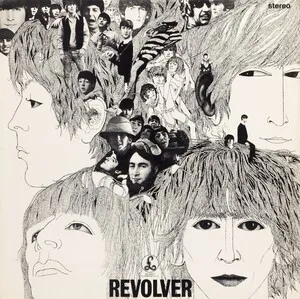
1966
Revolver
The Beatles
1996
Long Season
Fishmans
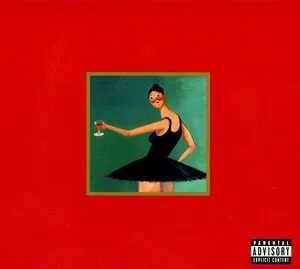
2010
My Beautiful Dark Twisted Fantasy
Kanye West
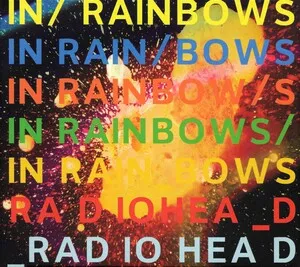
2007
In Rainbows
Radiohead
2004
The College Dropout
Kanye West
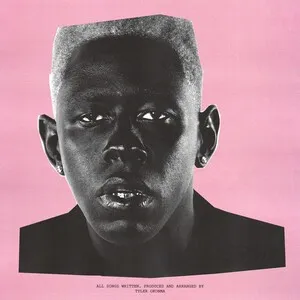
2019
Igor
Tyler, The Creator
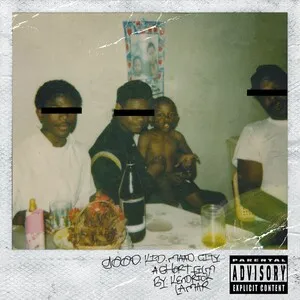
2012
Good Kid, M.A.A.D City
Kendrick Lamar
Download our mobile app
Get the Melodigging app and start digging for new genres on the go
Download on the App Store
Get it on Google Play
© 2026 Melodigging
Give feedback
Legal
Melodding was created as a tribute to
Every Noise at Once
, which inspired us to help curious minds keep digging into music's ever-evolving genres.