Genres
Make Music
Artists
Albums
Challenges
Sign in
Sign in
Albums
By Panopticon
Albums
By Panopticon
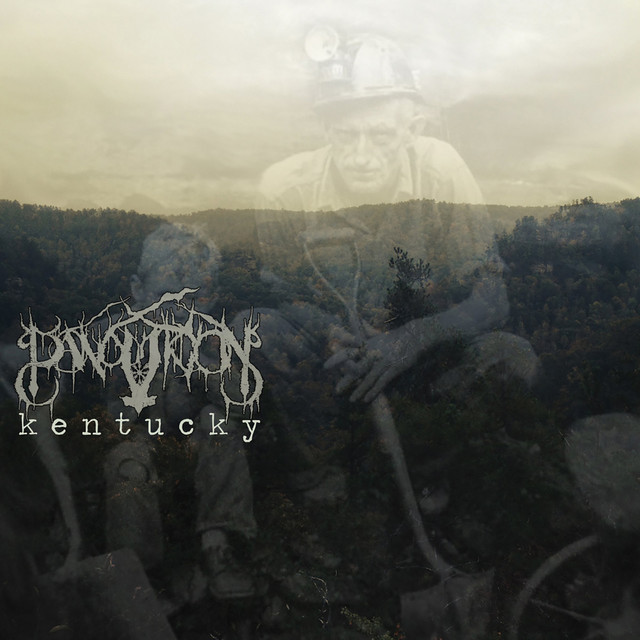
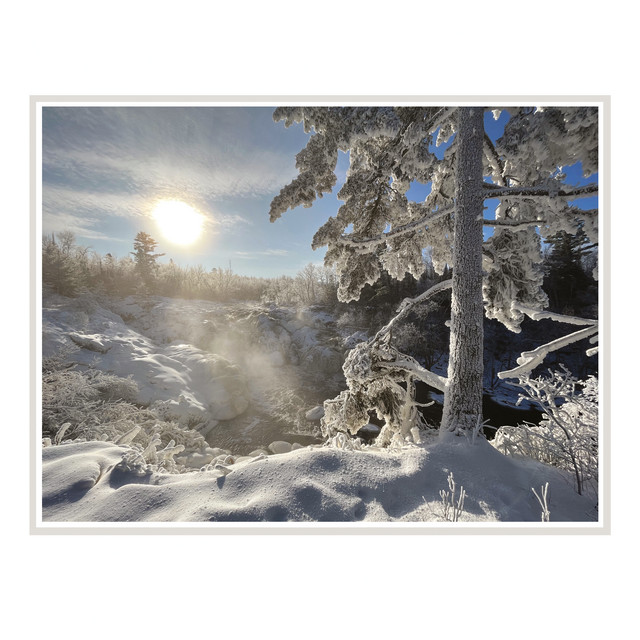
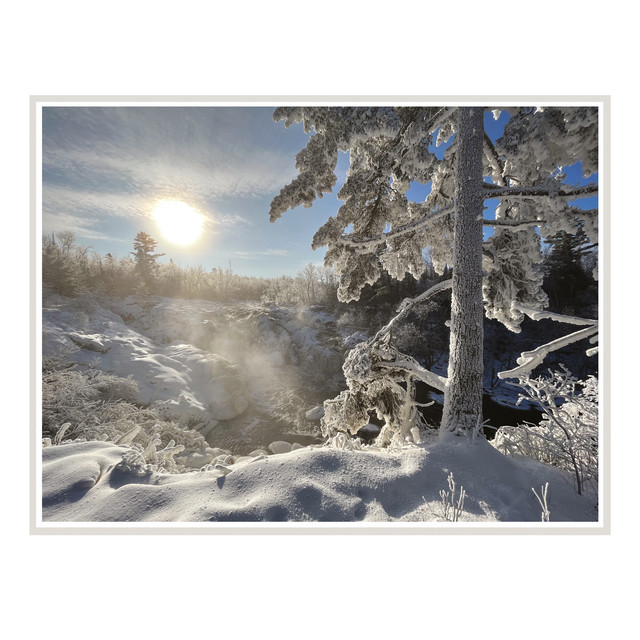
Kentucky
January 6, 2012
Listen
1
/5
Genres
Appalachian Black Metal
Appalachian black metal is a regional/micro-genre of black metal that fuses orthodox extreme-metal techniques (tremolo-picked riffs, blast beats, harsh vocals, lo-fi or raw aesthetics) with musical signifiers and storytelling associated with the Appalachian region. The “Appalachian” component is typically expressed through: - Use of old-time/bluegrass instrumentation (e.g., banjo, fiddle, mandolin, acoustic guitar) either as interludes, layered textures, or integrated melodic material. - Modal, folk-derived melodic writing (often pentatonic, Dorian/Aeolian colors) and droning open-string sonorities reminiscent of mountain music. - Lyrical themes tied to place, labor, ecology, regional history, folklore, and rural hardship. Sonically it often sits between atmospheric/folk black metal and US black metal, favoring expansive song structures, nature imagery, and a strong sense of landscape and memory.
Discover
Listen
Rabm
RABM (Red and Anarchist Black Metal) is a politically left-wing current within black metal that explicitly aligns with anti-fascist, anarchist, socialist, and anti-authoritarian ideas. Musically it spans raw, aggressive second‑wave black metal tropes (tremolo-picked riffs, blast beats, shrieked vocals) and the crust punk/D‑beat energy of blackened crust, while some projects adopt atmospheric black metal’s expansive textures and epic song forms. Lyrically and visually it replaces the genre’s historic flirtations with reactionary imagery by centering class struggle, anti-racism, queer/feminist perspectives, environmentalism, and mutual aid. The movement is also defined by DIY ethics: small labels, zines, collectives, and Bandcamp-driven distribution, often tied to benefit compilations and on-the-ground organizing.
Discover
Listen
Forest Black Metal
Forest black metal is a nature-immersive offshoot of black metal that emphasizes atmosphere, spaciousness, and “woodland” imagery. Musically it retains black metal’s icy tremolo-picked riffs and blast beats, but it leans more heavily on melodic repetition, layered ambience, and long-form song structures that evoke forests, mist, winter landscapes, and pagan or folkloric themes. Compared to more orthodox or aggressive black metal, forest black metal often feels less urban and more panoramic, using synth pads, field-recording-like textures, and reverberant production to create the sense of being surrounded by trees and wind.
Discover
Listen
Folk Black Metal
Folk black metal is a fusion style that combines the harsh, fast, and atmospheric characteristics of black metal with folk music elements drawn from regional and traditional sources. It typically retains black metal’s core traits—tremolo-picked guitar riffs, blast beats, shrieked vocals, and dark or epic atmospheres—while adding folk instrumentation (such as flutes, fiddles, bagpipes, hurdy-gurdy, or mouth harps), folk-derived melodies, and lyrical themes rooted in mythology, paganism, nature, history, or cultural identity. The result can range from raw and aggressive music with subtle folk scales to grand, melodic, and “anthemic” material where folk themes dominate the hooks and arrangements.
Discover
Listen
Usbm
USBM (United States Black Metal) is the American branch of black metal, marked by a wide stylistic spectrum that runs from raw, lo‑fi ferocity to expansive, atmospheric and genre‑blurring forms. While it preserves the core elements of black metal—tremolo‑picked guitars, blast beats, and shrieked vocals—it often emphasizes individualism, existential or nature‑focused themes, and an experimental approach that draws from punk, ambient, post‑rock, and noise. Regional currents are notable: the Pacific Northwest (often dubbed “Cascadian”) favors long, immersive songs and environmental/nature themes; other hubs (California, the Midwest, the Northeast, and Texas) contributed raw, depressive, and progressive strains that helped define a distinctly American identity within black metal.
Discover
Listen
Atmospheric Black Metal
Atmospheric black metal is a branch of black metal that emphasizes immersive, expansive soundscapes and mood as much as raw aggression. It typically blends tremolo‑picked guitars, blast beats, and harsh vocals with sustained synthesizer pads, reverbs, field recordings, and long-form, meditative song structures. The genre often evokes images of nature, wintry or forested environments, and cosmic vastness. Production ranges from lo‑fi, foggy textures to clear but distant mixes that preserve a sense of space. Harmonically, it leans on minor and modal colors, drones, and repeating motifs to create a trance-like intensity rather than riff-showmanship. Where traditional black metal can be claustrophobically fierce, atmospheric black metal opens the sonic frame—slower passages, ambient interludes, and dynamic arcs are common—so that ferocity and serenity coexist within the same piece.
Discover
Listen
Black Metal
Black metal is a form of extreme metal defined by fast tempos, tremolo‑picked guitar lines, blast‑beat drumming, shrieked or rasped vocals, and a deliberately raw, icy production aesthetic. Harmonically, it favors minor and modal collections (especially Aeolian and Phrygian), open-string drones, parallel fifths and fourths, tritones, and sparse or suspended chord voicings over blues-derived harmony. Arrangements often employ layered guitars, long-form song structures, and enveloping reverb to create a bleak, otherworldly atmosphere. The genre’s visual and thematic language is equally distinctive: corpse paint, monochrome artwork, and lyrics exploring anti-dogma, nature, pagan myth, cosmic nihilism, and misanthropy. While some scenes have been associated with controversy and extremism, the musical identity centers on sound, atmosphere, and aesthetics rather than any single ideology.
Discover
Listen
Bluegrass
Bluegrass is a style of American roots music that coalesced in the Appalachian region in the 1940s around Bill Monroe and his Blue Grass Boys. It is defined by all‑acoustic instrumentation (typically fiddle, mandolin, 5‑string banjo, guitar, and upright bass, with dobro often added), virtuosic ensemble interplay, and a distinctive “high lonesome” lead vocal timbre supported by tight three‑part harmonies. Musically, bluegrass fuses African American blues and jazz phrasing with Anglo‑Celtic ballads and dance tunes. Hallmarks include driving tempos, syncopated 3‑finger banjo rolls (popularized by Earl Scruggs), off‑beat mandolin “chop” backbeats, boom‑chuck guitar rhythm, two‑beat bass, and alternating instrumental “breaks.” Repertoires mix breakdowns and fiddle tunes with narrative ballads, gospel numbers, and contemporary songwriter material.
Discover
Listen
Similar albums
2023
The Rime of Memory
Panopticon
2015
Autumn Eternal
Panopticon
2021
...And Again Into the Light
Panopticon
2015
Autumn Eternal
Panopticon
2025
Ever North
Panopticon
2019
Patterns in Mythology
Falls of Rauros
2014
Roads to the North
Panopticon
2018
The Scars of Man on the Once Nameless Wilderness
Panopticon
2009
Collapse
Panopticon
2025
Ely in the Dark
Panopticon
Download our mobile app
Get the Melodigging app and start digging for new genres on the go
Download on the App Store
Get it on Google Play
© 2026 Melodigging
Give feedback
Legal
Melodding was created as a tribute to
Every Noise at Once
, which inspired us to help curious minds keep digging into music's ever-evolving genres.