Genres
Artists
Albums
Make Music
Sign in
Sign in
Record label
RUMF Productions
Related genres
Black Metal
Black metal is a form of extreme metal defined by fast tempos, tremolo‑picked guitar lines, blast‑beat drumming, shrieked or rasped vocals, and a deliberately raw, icy production aesthetic. Harmonically, it favors minor and modal collections (especially Aeolian and Phrygian), open-string drones, parallel fifths and fourths, tritones, and sparse or suspended chord voicings over blues-derived harmony. Arrangements often employ layered guitars, long-form song structures, and enveloping reverb to create a bleak, otherworldly atmosphere. The genre’s visual and thematic language is equally distinctive: corpse paint, monochrome artwork, and lyrics exploring anti-dogma, nature, pagan myth, cosmic nihilism, and misanthropy. While some scenes have been associated with controversy and extremism, the musical identity centers on sound, atmosphere, and aesthetics rather than any single ideology.
Discover
Listen
Brutal Death Metal
Brutal death metal is an especially extreme branch of death metal that emphasizes overwhelming intensity, dense riffing, and relentlessly aggressive rhythm. Hallmarks include very low-tuned, percussive guitars; rapid-fire tremolo picking; slam-oriented breakdowns; constant blast beats and gravity blasts; and ultra-guttural vocals that range from cavernous growls to “pig squeals.” Lyrical themes are typically visceral and graphic, drawing on horror and gore. Production often favors a tight, punchy drum sound (frequently with triggered kicks), thick multi-tracked guitars, and a bass tone that locks to the drums for maximal impact. Compared to traditional death metal, brutal death metal prioritizes extremity, physicality, and riff density over melody, and often integrates grindcore’s speed and brevity with hardcore-influenced breakdown weight.
Discover
Listen
Death Metal
Death metal is an extreme subgenre of heavy metal defined by heavily distorted, low‑tuned guitars, rapid and complex riffing, blast beat drumming, and harsh guttural vocals. Its harmonic language favors chromaticism, dissonance, and tremolo-picked lines that create an ominous, abrasive atmosphere. Lyrically, death metal often explores dark or transgressive themes—mortality, mythology, anti-religion, psychological horror, and the macabre—sometimes with philosophical or social commentary. Production ranges from raw and cavernous to hyper-precise and technical, reflecting the genre’s many regional scenes and substyles. From the mid‑1980s Florida scene (Tampa) and parallel developments in the US, UK, and Sweden, death metal evolved into numerous branches including brutal death metal, technical death metal, melodic death metal, and death‑doom, each emphasizing different aspects of speed, complexity, melody, or heaviness.
Discover
Listen
Deathcore
Deathcore is an extreme metal subgenre that fuses the riff language and vocal extremity of death metal with the breakdown‑centric impact of metalcore and its hardcore roots. Typical hallmarks include brutally palm‑muted and tremolo‑picked guitar riffs on low tunings, blast‑beat focused drumming with double‑kick barrages, and guttural growls, tunnel throats, and high shrieks. Songs commonly pivot into half‑time, groove‑heavy breakdowns designed for maximum physical impact. As a distinct movement, deathcore coalesced in the early 2000s and reached wider prominence in the mid‑2000s via internet platforms and relentless touring, even though earlier 1990s bands had already flirted with fusing death metal and hardcore elements.
Discover
Listen
Doom Metal
Doom metal is a heavy metal subgenre defined by slow to mid-tempo grooves, down-tuned, highly distorted guitars, and an atmosphere of dread, melancholy, and weight. It emphasizes ominous, minor-key riffs and sustained tones over speed or virtuosity, creating a crushing sense of space and inevitability. Vocals range from plaintive and theatrical (epic/traditional doom) to anguished wails or harsh growls (death-doom), and lyrics often explore themes of suffering, mortality, the occult, apocalyptic visions, and existential despair. Song structures are typically riff-centric and long-form, with repetition and gradual dynamic shifts producing a hypnotic, ritualistic feel.
Discover
Listen
Experimental
Experimental music is an umbrella term for practices that prioritize exploration, process, and discovery over adherence to established genre norms. It embraces new sound sources, nonstandard tuning systems, indeterminacy and chance operations, graphic and open-form scores, extended techniques, and technology-led sound design (tape, electronics, computers, and live processing). Rather than a single style, it is a methodology and ethos: testing hypotheses about sound, structure, and performance, often blurring boundaries between composition, improvisation, sound art, and performance art. Listeners can expect unfamiliar timbres, unusual forms, and an emphasis on how music is made as much as the resulting sound.
Discover
Listen
Gothic
Gothic (often shortened to goth in a musical context) is a dark, atmospheric strain of post‑punk that emphasizes minor-key harmonies, bass-led grooves, and a brooding, romantic sensibility. It blends the stark urgency of punk with art-rock textural experimentation, icy new-wave synths, and lyrical themes drawn from gothic literature, existentialism, and melancholic introspection. Signature traits include chorus- and reverb-drenched guitars, prominent melodic basslines, steady drum-machine patterns, baritone or ethereal vocals, and a production aesthetic that favors space, echo, and nocturnal ambience. While closely associated with the UK goth subculture, the style quickly spread internationally, influencing parallel scenes such as dark wave, deathrock, and later gothic metal.
Discover
Listen
Grindcore
Grindcore is an extremely fast, abrasive fusion of hardcore punk and extreme metal characterized by blast-beat drumming, highly distorted down-tuned guitars, and a mix of guttural growls and high-pitched screams. Songs are typically very short—often under two minutes and sometimes just seconds—favoring intensity over traditional verse–chorus structures. Lyrically, grindcore spans politically charged and socially conscious themes (war, capitalism, animal rights) as well as gore and body horror (particularly in goregrind). Production ranges from raw, live-in-the-room ferocity to tight, modern clarity. The style is defined by relentless speed, dissonant or chromatic riffing, and sudden start–stop shifts that create a feeling of controlled chaos.
Discover
Listen
Heavy Metal
Heavy metal is a loud, guitar-driven style of rock defined by heavily distorted riffs, thunderous drums, and powerful vocals. Its musical language emphasizes minor modes, modal (Aeolian, Phrygian) riffing, and energy over groove, often featuring virtuosic guitar solos and dramatic dynamic contrasts. Emerging from late-1960s blues rock and psychedelic experimentation, heavy metal codified a darker, heavier sound with bands like Black Sabbath, Deep Purple, and Led Zeppelin. The genre values weight, intensity, and grandeur—whether through plodding, doom-laden tempos or galloping, high-energy rhythms—paired with themes that range from personal struggle and social critique to fantasy, mythology, and the occult.
Discover
Listen
Instrumental
Instrumental is music created and performed without sung lyrics, placing the expressive weight on melody, rhythm, harmony, and timbre produced by instruments. As an umbrella practice it appears in many cultures, but its modern identity cohered in Baroque-era Europe when purely instrumental forms such as the sonata, concerto, and dance suites began to flourish. Since then, instrumental thinking—developing motives, structuring form without text, and showcasing timbral contrast—has informed everything from orchestral music and solo piano repertoire to post-rock, film scores, and beat-driven electronic styles. Instrumental works can be intimate (solo or chamber) or expansive (full orchestra), narrative (programmatic) or abstract (absolute music). The absence of lyrics invites listeners to project imagery and emotion, making the style a natural fit for cinema, games, and contemplative listening.
Discover
Listen
Melodic Black Metal
Melodic black metal blends the cold, tremolo-picked fury of second‑wave black metal with the twin‑guitar harmonies, lead motifs, and songcraft associated with melodic death metal. It retains rasped vocals, blast beats, and a bleak atmosphere, but favors clearer production, memorable guitar themes, and dramatic minor‑key progressions over lo‑fi abrasion. The result is a sound that is simultaneously aggressive and epic, often evoking wintery landscapes, nihilism, myth, and existential grandeur.
Discover
Listen
Melodic Death Metal
Melodic death metal (often shortened to melodeath) blends the speed, aggression, and harsh vocals of death metal with the harmonized guitar leads, memorable melodies, and songcraft of traditional heavy metal and thrash. It is characterized by twin‑guitar harmonies, fast tremolo riffs, punchy palm‑muted rhythms, and growled or screamed vocals, often contrasted with catchy, clearly articulated lead lines. Compared to traditional death metal, the genre favors stronger tonal centers, consonant interval harmonies (thirds and sixths), and more accessible structures, while retaining double‑kick intensity and occasional blast beats. Production tends to be tighter and clearer than early death metal, and many bands incorporate keyboards for texture. The style is strongly associated with the early–mid 1990s Gothenburg scene in Sweden, though parallel strains also emerged in the UK and Finland.
Discover
Listen
Metal
Metal (often used to mean heavy metal in its broad, umbrella sense) is a loud, guitar-driven style of rock defined by high-gain distortion, emphatic and often martial rhythms, and a dense, powerful low end. It foregrounds riff-based songwriting, dramatic dynamics, virtuosic guitar solos, and commanding vocals that range from melodic wails to aggressive snarls and growls. Harmonically, metal favors minor modes, modal color (Aeolian, Phrygian), chromaticism, and tritone-inflected tension, while thematically it explores power, mythology, the occult, social critique, fantasy, and existential subjects. While adjacent to hard rock, metal typically pushes amplification, distortion, precision, and thematic intensity further, forming a foundation for many specialized subgenres.
Discover
Listen
Rock
Rock is a broad family of popular music centered on amplified instruments, a strong backbeat, and song forms that foreground riffs, choruses, and anthemic hooks. Emerging from mid‑20th‑century American styles like rhythm & blues, country, and gospel-inflected rock and roll, rock quickly expanded in scope—absorbing folk, blues, and psychedelic ideas—while shaping global youth culture. Core sonic markers include electric guitar (often overdriven), electric bass, drum kit emphasizing beats 2 and 4, and emotive lead vocals. Rock songs commonly use verse–chorus structures, blues-derived harmony, and memorable melodic motifs, ranging from intimate ballads to high‑energy, stadium‑sized performances.
Discover
Listen
Slam Death Metal
Slam death metal is a hyper-groove-focused branch of brutal death metal characterized by extremely downtuned guitars, guttural vocals, and an emphasis on mid‑tempo, syncopated "slam" riffs that drop into crushing, half‑time breakdowns. Rather than the constant speed of many death metal styles, slam alternates bursts of blasts with deliberate, head‑nodding chug patterns. The vocal delivery tends toward ultra‑low growls and gurgles, sometimes employing "pig squeal" techniques. Drums move between gravity blasts, traditional blasts, and stomping half‑time sections that accent the riff’s hook. Lyrics typically dwell on gore, horror, and extremity, with graphic imagery presented in a deliberately over-the-top, tongue‑in‑cheek or splatter‑cinema spirit. Production often prioritizes a dense, percussive guitar tone, scooped or mid‑heavy rhythm definition, and cavernous vocals, keeping the slam riff as the song’s primary hook. The overall effect is simultaneously oppressive, rhythmic, and mosh‑oriented, designed to make the breakdown hit as hard as possible.
Discover
Listen
Thrash Metal
Thrash metal is an extreme subgenre of heavy metal defined by blistering tempos, tightly palm‑muted low‑register riffs, and sharp, aggressive execution. Songs commonly drive at 180–240 BPM, pairing chugging, down‑picked rhythms with shredding leads and rapid alternate‑picked lines. Drumming emphasizes double‑kick work, skank/D‑beat patterns, and abrupt, syncopated accents that lock tightly with the guitars. Vocals range from rough, shouted delivery to snarling barks and occasionally cleaner, declamatory phrasing. Lyrically, thrash favors social critique, anti‑authoritarian themes, war and dystopia, and street‑level realism, matching the music’s urgency. The overall aesthetic is lean, fast, and technical—channeling the speed and directness of hardcore punk through the tonal weight and precision of heavy metal.
Discover
Listen
Melodic Metal
Melodic metal is a broad umbrella within heavy metal that emphasizes strong, memorable melodies, harmonized guitar leads, and singable choruses while retaining the energy and weight of metal. The style often borrows the speed and precision of speed/power metal, the twin-guitar harmonies of NWOBHM, and occasionally the virtuosity of neoclassical metal. While the guitars and rhythm section remain driving and assertive, songwriting prioritizes melodic hooks, clear thematic development, and emotionally expressive vocals. It overlaps with and feeds into adjacent styles such as power metal and symphonic metal, but it is defined less by specific orchestration or lyrical topics and more by a consistent commitment to melody throughout riffs, leads, and vocal lines.
Discover
Listen
Albums
A Moment of His Dream
Sagarah
Nachtgast
Second to Sun
Reflections in the Mire
Acid Swamp
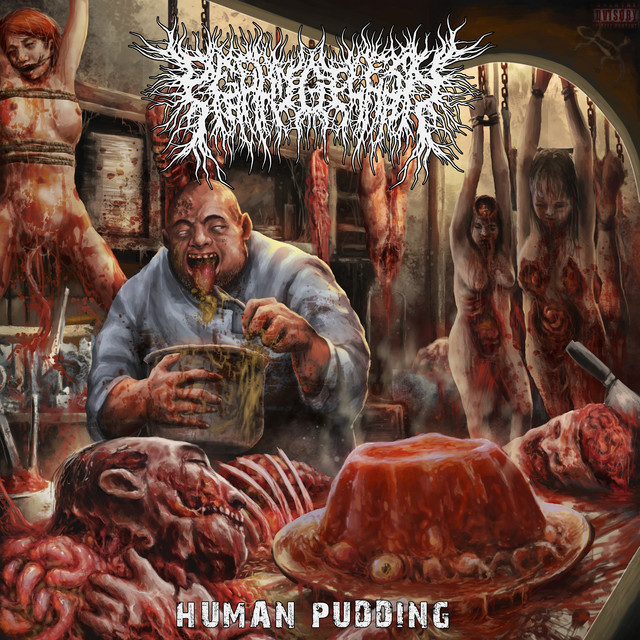
Human Pudding
PeelingFlesh
Attempts To Death
Manifesting Obscenity
Радикальное Добро
Beatdown Heroes
Monster of Depths
Sagarah
Sacrifice for Resurrection
gnida.
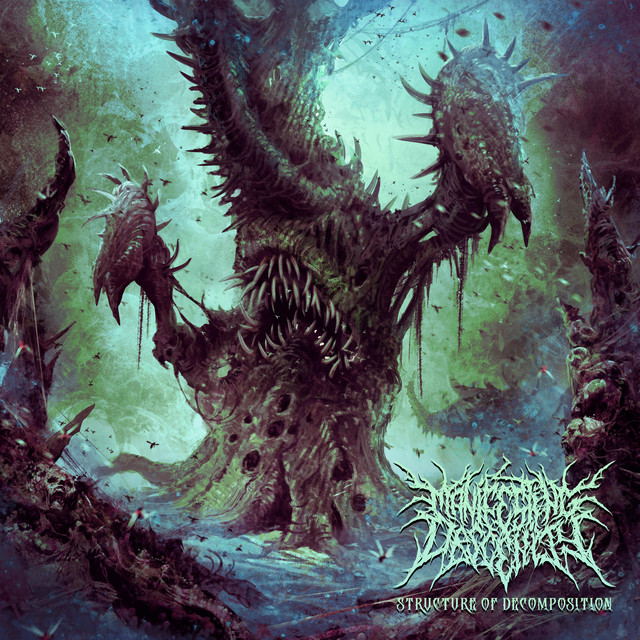
Structure of Decomposition (Single Version)
Manifesting Obscenity
Intracranial Infection
Insect Inside
Show more
Artists
Insect Inside
PeelingFlesh
Sagarah
Acid Swamp
Beatdown Heroes
gnida.
CL-20
Second To Sun
Manifesting Obscenity
Download our mobile app
Get the Melodigging app and start digging for new genres on the go
Download on the App Store
Get it on Google Play
© 2026 Melodigging
Give feedback
Legal
Melodding was created as a tribute to
Every Noise at Once
, which inspired us to help curious minds keep digging into music's ever-evolving genres.