

Your digging level
For this genre
0/8
🏆
Sign in, then listen to this genre to level up
Description
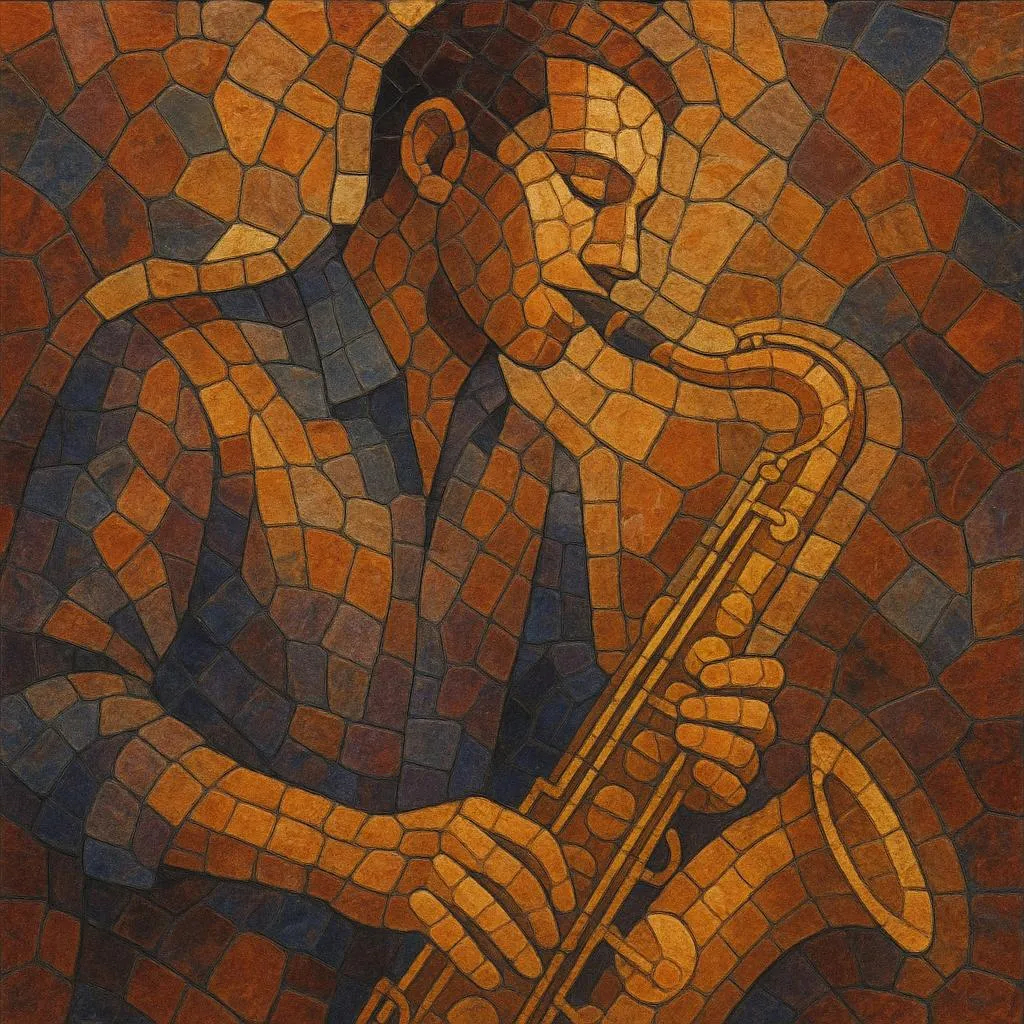
Smooth saxophone is a saxophone‑led branch of smooth jazz and adult‑contemporary instrumental music.
It emphasizes a warm, breathy tone, singable melodies, and sleek, radio‑friendly production over extended virtuosic improvisation. Tracks are often mid‑tempo, groove‑based, and harmonically lush (maj7, add9, 13 chords), drawing on R&B backbeats, soft funk, and pop ballad sensibilities.
While the sound traces back to soul‑jazz and jazz‑funk, it crystallized on late‑1970s/1980s “quiet storm” and smooth‑jazz radio formats, where saxophone carried the hook the way a vocalist would. The result is music that works equally well as relaxed background listening and as a focal, emotive lead voice.
History
Origins (1970s)
• The smooth saxophone aesthetic grows out of late soul‑jazz and jazz‑funk, where saxophones began carrying lyrical, song‑like themes over steady backbeats.
• Simultaneously, the rise of late‑night “quiet storm” radio created demand for polished, romantic instrumentals with a relaxed pulse and intimate production.
Radio boom and mainstream polish (1980s–1990s)
• Dedicated smooth‑jazz/NAC (New Adult Contemporary) stations in major U.S. markets codified the sound: concise, melody‑forward sax leads; electric bass and drums; Rhodes or soft synth pads; tasteful guitar comping.
• Producers and labels refined the mix for FM radio and CD era listening—tight arrangements, glossy reverbs, and hooks as memorable as pop vocals.
Globalization and festival culture (1990s–2000s)
• International touring and festivals cemented the saxophone as the signature voice of contemporary smooth jazz, alongside collaborations with R&B, pop, and adult‑contemporary artists.
• As terrestrial radio contracted in the late 2000s, the scene shifted toward festivals, satellite radio, and niche press while maintaining a strong live circuit.
Streaming era and hybridization (2010s–present)
• Playlists and internet radio revived demand for “chill” instrumentals; sax‑led smooth tracks flourished alongside lo‑fi beats, chillout, and lounge.
• Modern productions blend neo‑soul harmony, subtler hip‑hop grooves, and boutique home‑studio techniques, keeping the tone warm and the melodies front‑and‑center.
Core instrumentation and tone
• Lead: Tenor or alto sax (soprano for brighter color). Aim for a warm, centered tone with gentle vibrato; use subtone and breath control for intimacy on ballads.
• Rhythm section: Electric bass (round, compressed), soft drum kit or programmed drums with light swing or straight 8ths, Rhodes or smooth piano, pads, and clean electric guitar for comping.
• Production: Smooth, radio‑ready mix—tame harsh highs on sax (3–6 kHz), add plate/hall reverb with short pre‑delay, light compression for sustain, and gentle bus glue.
Harmony and melody
• Favor diatonic, lush extensions: maj7, add9, 9sus, 13 chords; common progressions include I–vi–IV–V, ii–V–I with simplified voice‑leading, or IV–V–iii–vi loop.
• Write vocal‑like sax hooks: 4–8 bar motifs with clear arcs; use pentatonic/blues color tones sparingly for lift. Develop through call‑and‑response with keys/guitar.
Groove and form
• Tempos: typically 80–110 BPM (ballads 65–75; uptempo 110–120). Backbeats are smooth and steady—no busy fills; subtle percussion (shaker, congas) adds movement.
• Song form: Intro – Hook – A – B – Hook – Short solo – Hook/Out. Keep solos concise (8–16 bars) and thematic rather than highly technical.
Arrangement tips
• Layer pads under sustained sax notes to enhance warmth; double hooks an octave below/above on synth or guitar for choruses.
• Use brief turnarounds and tasteful fills between phrases rather than continuous blowing—space sells the melody.
Recording the sax
• Mic choices: Large‑diaphragm condenser ~12–18 inches off the bell, slightly off‑axis; pair with a ribbon for warmth if needed.
• Processing: HPF ~80–120 Hz; gentle 1–3 dB boost at 200–400 Hz for body, dip 3–6 kHz if edgy; plate reverb (short to medium), light tape or tube saturation for glue.

Learn this Candy Dulfer saxophone lick! #saxophone #improvisation #smoothjazz #howtoplaysaxophone
Smooth Jazz Sax School

How to play Smooth Operator on Saxophone | Saxplained
Saxplained

Do These 8 Things for a Beautiful Saxophone Sound
Better Sax

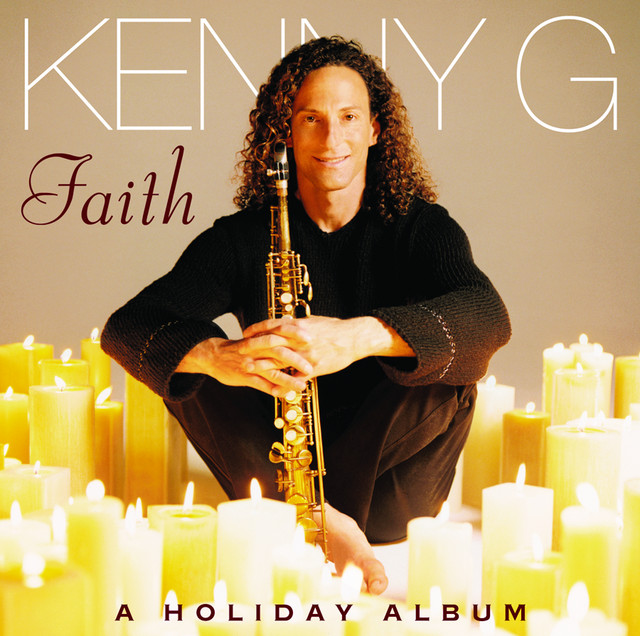
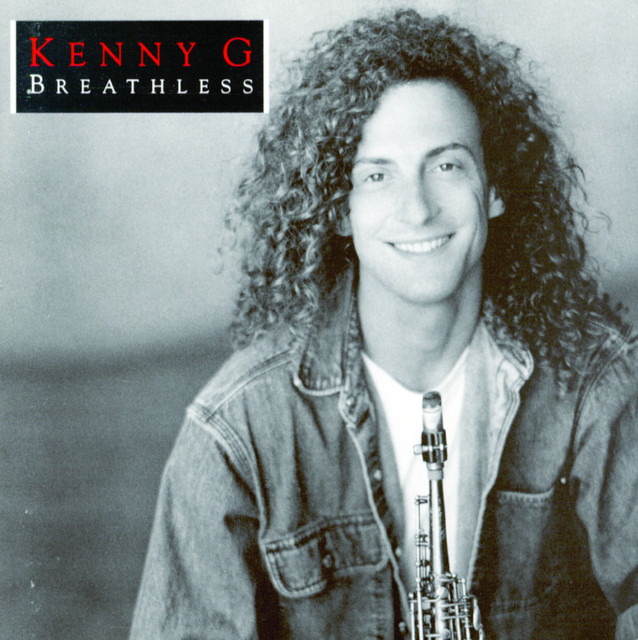
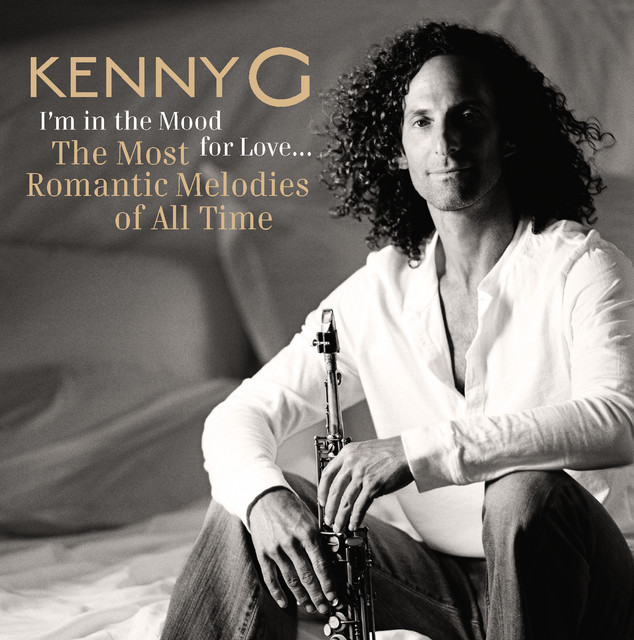
Top albums

Best playlists







Top tracks
Locked
Share your favorite track to unlock other users’ top tracks
Upcoming concerts
in this genre
