Your digging level

For this genre
0/8
🏆
Sign in, then listen to this genre to level up

Description

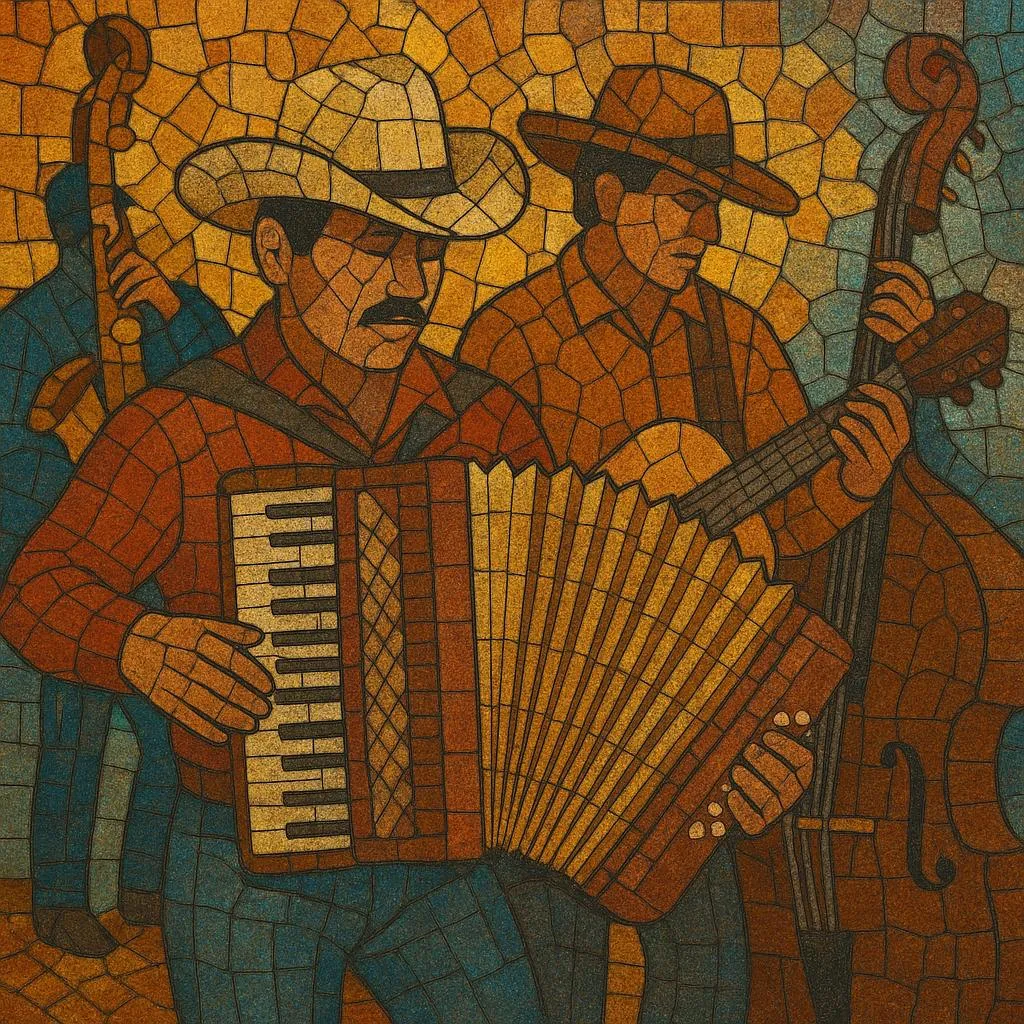
Polka norteña is the lively, accordion‑driven polka tradition embedded in northern Mexico’s regional music (norteño). It adapts Central European dance rhythms—especially the two‑step polka—into a distinctly Mexican sound centered on diatonic button accordion, bajo sexto, bass (tololoche or electric), and, in modern groups, drum set and/or saxophone.

Typically in a bright 2/4 with the classic “oom‑pah” bass pattern, polka norteña favors major keys, singable melodies, and simple, propulsive harmonies (I–IV–V) designed for the dance floor. Tunes can be instrumental showpieces for accordion and sax, or vocal numbers with strophic verses about courtship, nightlife, rural pride, and everyday humor. The style is a staple of northern Mexican bailes and a pillar of the cross‑border regional Mexican sound.


Sources: Spotify, Wikipedia, Discogs, RYM, MB, user feedback and other online sources

History

Origins (late 19th–early 20th century)

European immigrants and traders—especially German and Czech communities in Texas and northern Mexico—brought the polka, waltz, schottische, and mazurka in the mid‑to‑late 1800s. The diatonic button accordion (notably Hohner models) spread through border commerce and itinerant musicians. Local string traditions (guitars, bajo sexto) fused with the imported dance rhythms, and by the 1890s–1910s a Mexicanized polka practice was firmly rooted in Nuevo León, Coahuila, Tamaulipas, and Chihuahua.

Consolidation into the norteño ensemble (1930s–1960s)

As radio and 78‑rpm records grew in Mexico, the accordion‑bajo sexto pairing became the sonic core of a new northern style. Polka norteña flourished in dance halls and cantinas, with groups refining brisk 2/4 grooves and call‑and‑response patterns between accordion and voice. Pioneering duos and conjuntos across northern Mexico and Texas set the template for instrumental polkas and vocal polka numbers within the broader norteño repertoire.

Popularization and modernization (1970s–1990s)

Amplification and touring circuits expanded the style’s reach. Bands added drum set, electric bass, and, in many regions, alto saxophone, creating the powerful, dance‑ready sound now associated with norteño and norteño‑sax variants. Polka cuts became essential in live sets, alternating with corridos, rancheras, and cumbias, while virtuoso accordion solos turned instrumental polkas into crowd‑pleasing showcases.

Contemporary scene (2000s–present)

Polka norteña remains a backbone of regional Mexican shows and social dances on both sides of the U.S.–Mexico border. Modern bands maintain the traditional 2/4 drive while updating arrangements, production, and stagecraft. The style continues to influence sub‑variants such as norteño‑banda and norteño‑sax, and it regularly intersects with corridos and romantic ballads in contemporary albums and setlists.

How to make a track in this genre

Ensemble and instrumentation
•   Core: diatonic button accordion (commonly tuned G–C–F or F–B♭–E♭), bajo sexto, and bass (tololoche or electric). •   Additions: drum set (kick reinforces the downbeat; snare or rim on the offbeat), alto sax (unison/thirds with accordion), occasional second guitar.
Rhythm and tempo
•   Meter: crisp 2/4 with an “oom‑pah” feel (bass note on beat 1, chordal offbeat on beat 2). •   Typical tempo: ~120–150 BPM; lively but clear enough for dancers. •   Drum pattern: steady kick on 1 and 2; snare/rim or hi‑hat accenting the offbeats; occasional polka fills into section changes.
Harmony and form
•   Harmony: diatonic, major‑key I–IV–V progressions; secondary dominants and quick dominant turnarounds for lift. •   Form: instrumental polkas often AABB or ABA with 8–16‑bar strains; vocal polkas use strophic verses with refrains. •   Endings: tag the dominant, add a quick accordion flourish, and cadence firmly to I.
Melody and arranging
•   Accordion leads the tune: emphasize clear, catchy motifs; use parallel 3rds/6ths with sax or voice for thickness. •   Ornamentation: grace notes, quick trills, bellows shakes, and scalar runs into cadences. •   Bajo sexto: steady, percussive strums outlining roots and fifths; lock tightly with bass’s oom‑pah pattern.
Lyrics and performance practice
•   Themes: courtship, dancehall life, celebration, regional pride; many polkas are purely instrumental. •   Delivery: bright, forward vocal tone; energetic stage feel; shout‑outs (gritos) and brief accordion solos between verses keep momentum.
Production tips
•   Keep rhythm section punchy and tight; accent the offbeat without overpowering the accordion. •   Pan accordion and sax to create width; let bajo sexto’s midrange cut through for rhythmic drive. •   Prioritize danceability: clear transients on kick/snare, and a present, melodic accordion on top.

Top tracks

Locked
Share your favorite track to unlock other users’ top tracks

Upcoming concerts

in this genre
Influenced by
Has influenced

Download our mobile app

Get the Melodigging app and start digging for new genres on the go
© 2026 Melodigging
Melodding was created as a tribute to Every Noise at Once, which inspired us to help curious minds keep digging into music's ever-evolving genres.
Buy me a coffee for Melodigging