Your digging level
Description
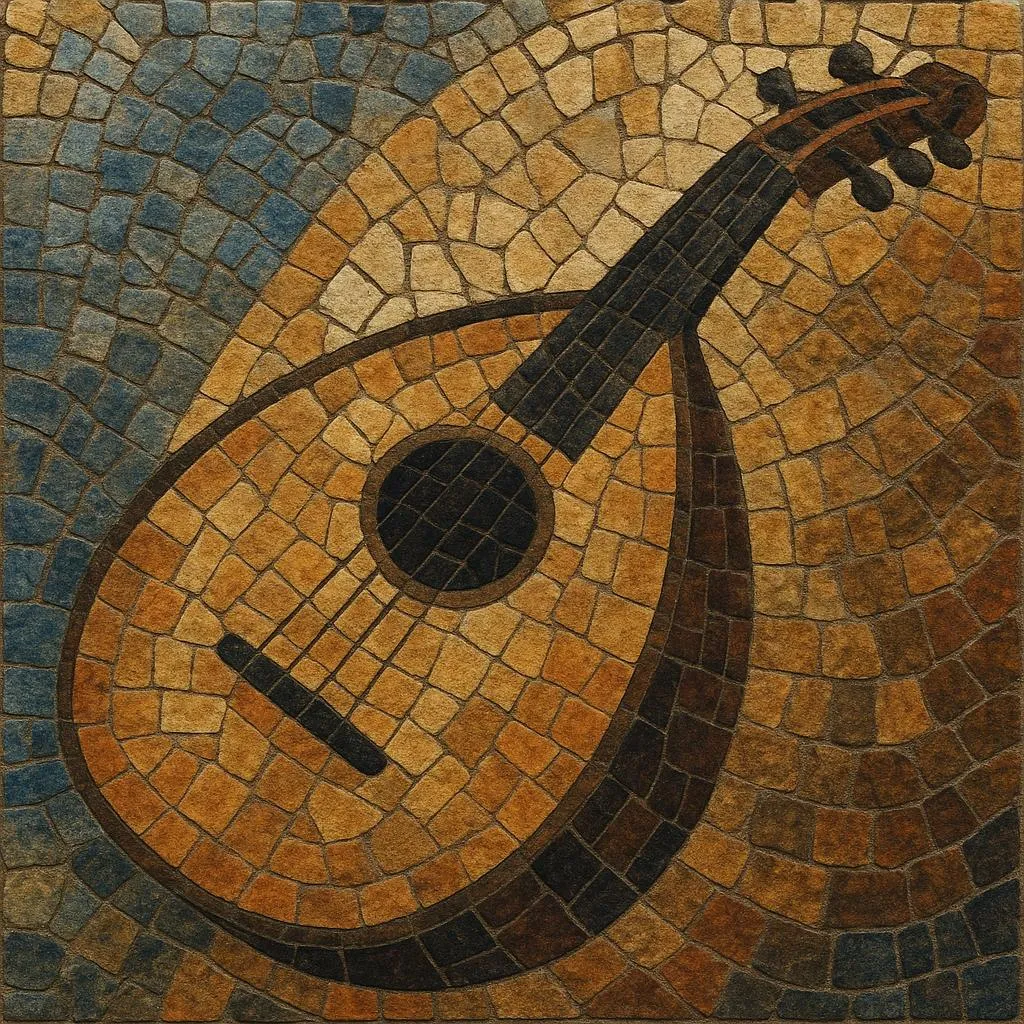
Oud (al-ʿūd) is a short‑neck, fretless, pear‑shaped lute central to Arabic, Persian and Turkish musical traditions. Typically strung in double courses and plucked with a risha (plectrum), it produces a warm, resonant tone ideal for melodic ornamentation and modal improvisation (taqsīm). The European lute developed directly from the medieval Islamic oud.
While sizes and tunings vary by region, common Arabic instruments use 5–6 courses (10–11 strings) and tunings that span the range of a guitar or lute; the lack of frets enables microtonal inflections required by maqām systems across the Middle East.
History
Scholars trace the oud to West Asia, with close kinship to the Persian barbat; Encyclopaedia Britannica notes a 7th‑century CE appearance of the barbat in medieval Persia, from which the Arabic ʿūd evolved. Earlier lute archetypes are attested in Mesopotamian iconography, situating the family’s deep antiquity in today’s Iraq/Iran region.
The instrument spread widely during the Islamic Golden Age and entered al‑Andalus (Muslim Spain) after 711 CE, where design refinements (separate neck, round soundhole/roses) took hold. Through Iberia and Provence it influenced European makers and repertoires, ultimately giving rise to the Western lute tradition.
Across Arabic, Turkish and Persian art music, the oud became a principal melodic voice for maqām‑based composition and taqsīm improvisation, later permeating folk and popular idioms as well. Its construction and performance were recognized in 2022 on UNESCO’s Representative List via an Iran–Syria nomination, underscoring its living craftsmanship and pedagogy.
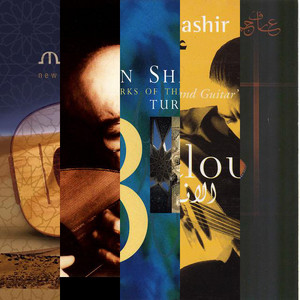
In the 20th–21st centuries, virtuosi such as Munir Bashir, Farid al‑Atrash, and Naseer Shamma advanced solo technique and recital culture, while contemporary artists (Anouar Brahem, Rabih Abou‑Khalil, Dhafer Youssef) fused oud with jazz and global genres, expanding its reach on international stages.