Your digging level
Description
Newfoundland folk music is the traditional song and dance music of Newfoundland and Labrador in Canada, shaped by English, Irish, and Scottish settlers and by life in coastal fishing communities.
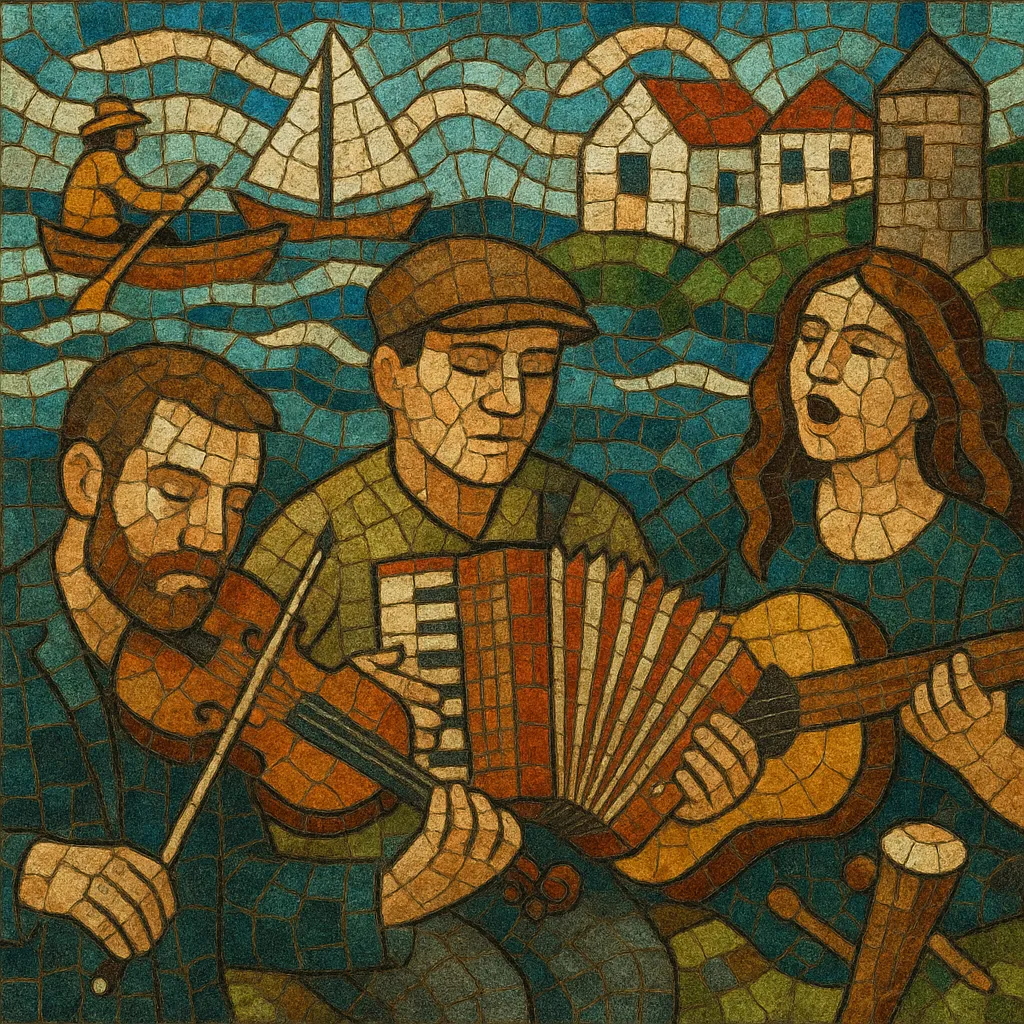
It blends lively dance tunes (jigs, reels, polkas, waltzes) with narrative ballads and sea songs, often sung in local dialect and centered on seafaring, outport life, shipwrecks, resettlement, and community celebration. Performances frequently feature kitchen-party energy, group choruses, foot-stomping, and home-made percussion (like the “ugly stick”), alongside fiddle, button accordion, guitar, bodhrán, tin whistle, and voice.
The style straddles heartfelt storytelling and communal dance music: from “come-all-ye” ballads and shanties to buoyant set-dance tunes. In the late 20th century, groups revived and modernized the tradition, carrying it into folk-rock and Celtic-pop contexts while preserving its distinctive local identity.
History
Newfoundland folk music coalesced during the 1800s as settlers from England, Ireland, and Scotland brought ballads, dance tunes, and singing styles to the North Atlantic colony. In isolated outports, these repertoires adapted to local life: sea shanties fueled shipboard work; narrative “come-all-ye” ballads documented shipwrecks, fishing, sealing, and community events; and lively fiddle/accordion tunes powered dances at kitchen parties and halls.
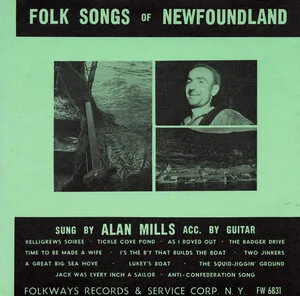
Songsters such as Gerald S. Doyle’s widely circulated Newfoundland songbooks helped standardize and spread local repertoire across the island. Mid-century folklorists—most notably Kenneth Peacock (Songs of the Newfoundland Outports, 1960s) and MacEdward Leach (1950s field recordings)—preserved hundreds of songs, variants, and performance styles, capturing dialect, ornamentation, and regional tune settings.
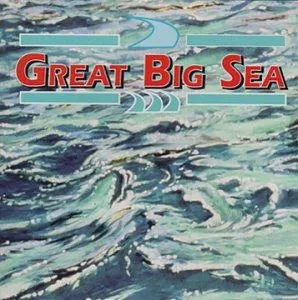
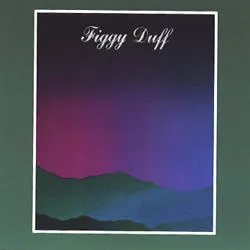
The 1970s revival saw bands like Figgy Duff and Simani modernize traditional material with contemporary instrumentation and arrangements, catalyzing a renewed pride in local traditions. In the 1990s, Great Big Sea brought Newfoundland folk to national and international audiences by fusing shanties and dance tunes with pop/rock energy, while artists such as The Irish Descendants and Shanneyganock sustained the pub- and festival-oriented tradition at home.
Newfoundland folk music remains a living tradition at community events, sessions, and festivals. Artists balance archival ballads with new compositions in traditional style, extending the idiom into folk-rock and Celtic-pop while preserving core elements: participatory choruses, strong storytelling, and danceable tune medleys.