Description
New Orleans soul is a melodic branch of soul rooted in gospel and pop, with rhythmic ideas from boogie-woogie, rock and the city’s second-line tradition. Caribbean and Latin influences also contributed to its rhythmic variety, which ranges from more unusual patterns to mid-tempo grooves.
The style often gives particular weight to melody and vocal tone rather than lyrical content. Its blend of song-centered soul and locally inflected rhythms distinguishes it from other approaches to soul music.
Sources: Wikipedia
History
Origins
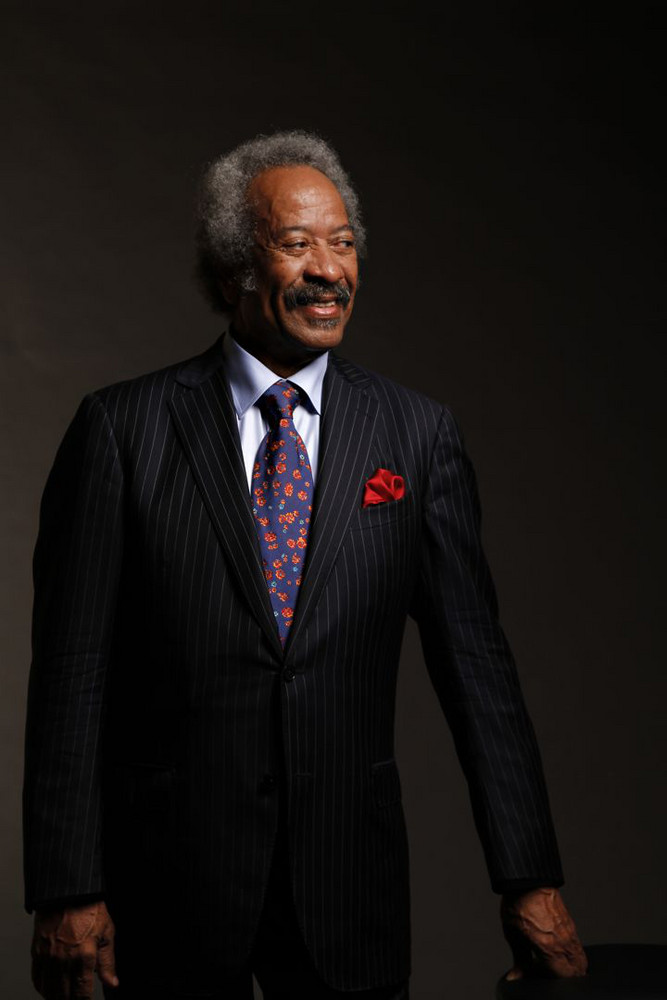
New Orleans soul emerged in the New Orleans area in the early 1960s. Songwriter and producer Allen Toussaint helped establish the style with its initial songs in 1960, after which it gained ground among other local and regional performers.
Influence and later interest
Although the style remained largely centered on New Orleans, musicians in Memphis acknowledged its influence on their own soul sound. It also left a mark on Northern soul and British soul. Around 1965, Toussaint produced a slower variation that contributed to the emergence of funk. By the 1990s, the style had attracted interest from singers working across several forms of soul.
Begin with the song
Build around a strong, memorable melody. Give the singer room to shape the tone and phrasing, rather than relying on a dense lyric to carry the performance. Gospel and pop are useful starting points for writing a direct vocal line and supportive harmony.
Shape the groove
Combine a soul foundation with rhythmic ideas from boogie-woogie and rock. You could use a repeating piano figure and give the drums a lively second-line inflection, letting the parts interlock rather than simply marking every beat. Caribbean- or Latin-influenced rhythmic accents can add contrast; a steadier mid-tempo groove is also an option.
Arrange for clarity
In a soul arrangement, you could let the rhythm section establish a recurring pattern while the voice stays prominent. Add instrumental responses between vocal phrases, and adjust their density so the melody and vocal tone remain easy to hear.

Best playlists


Influenced by