

Your digging level

For this genre
0/8
🏆
Sign in, then listen to this genre to level up

Description

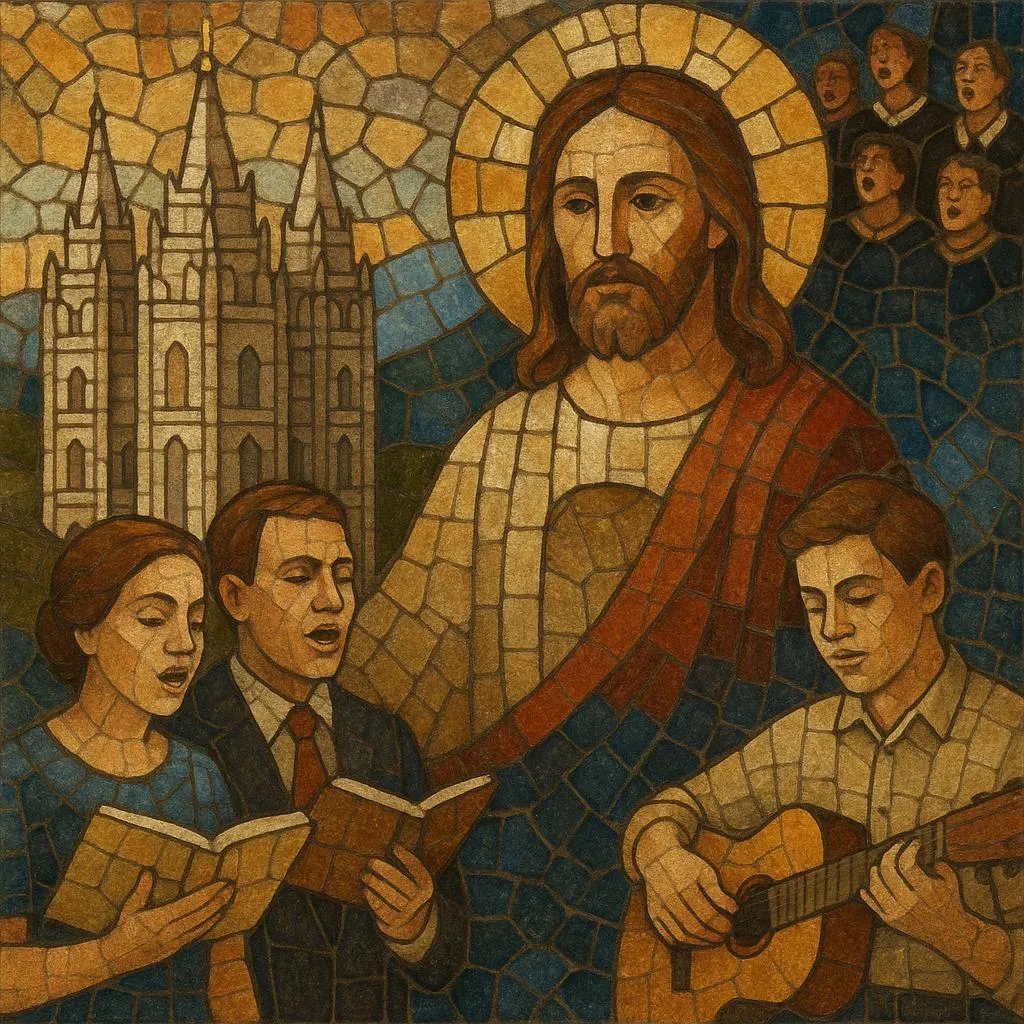
Mormon music refers to the sacred, community, and popular musical traditions associated with The Church of Jesus Christ of Latter-day Saints (LDS). It encompasses pioneer-era folk songs, hymnody designed for congregational worship, large-scale choral and orchestral works, children’s religious songs, and a stream of contemporary Christian–style pop created by Latter-day Saint artists.

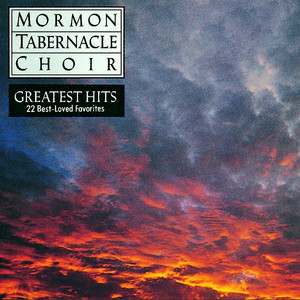
From the Church’s beginnings in Kirtland and Nauvoo to the settlement of the American West, early Latter-day Saints favored sturdy, singable folk and hymn tunes that could be performed a cappella due to scarce instruments. In the 19th century, the Mormon Tabernacle Choir (now The Tabernacle Choir at Temple Square) emerged and began touring and broadcasting, becoming a global emblem of LDS choral sound. In the late 20th century, a modern devotional pop sector developed in parallel with Contemporary Christian Music (CCM), supported by LDS publishers such as Deseret Book (and its labels/imprints) and organizations like the now-defunct Faith-centered Music Association. Today, Latter-day Saints contribute both to explicitly devotional repertories and to mainstream genres worldwide.


Sources: Spotify, Wikipedia, Discogs, RYM, MB, user feedback and other online sources

History

Early Foundations (1830s–1870s)
•   The Church formed in 1830, and music quickly became central to worship and community life in Kirtland and Nauvoo. Early LDS singing favored simple, sturdy hymn and folk melodies, often a cappella, suitable for frontier conditions and lay congregations. •   As settlers moved to the Great Basin, congregational hymnody and community music-making flourished. Pioneer songs, missionary hymns, and devotional texts created a distinct LDS repertoire shaped by American folk practice and Protestant hymn traditions.
The Rise of a Choral Icon (Late 19th–Mid 20th Century)
•   The Mormon Tabernacle Choir coalesced in the 19th century and became a touring, recording, and broadcasting ensemble, greatly amplifying LDS musical visibility. Its polished SATB sound, pipe-organ accompaniment, and sacred Americana programing set a national standard for large choirs. •   Throughout the early-to-mid 20th century, hymnals, pageants, and broadcasts helped standardize repertoire and performance practice, while LDS ensembles participated in broader American choral and orchestral traditions.
Diversification and Devotional Pop (Late 20th Century)
•   From the 1970s onward, Latter-day Saint composers and singer-songwriters developed a modern devotional style paralleling Contemporary Christian Music, blending pop production with lyrics focused on faith, family, and discipleship. •   Publishers and distributors such as Deseret Book (and its labels/imprints) supported recordings, songbooks, and youth-centered releases. The now-defunct Faith-centered Music Association promoted artists and recognized achievements within the LDS music community.
Globalization and Mainstream Presence (21st Century–Present)
•   LDS artists increasingly work across mainstream genres—pop, classical-crossover, instrumental, and beyond—while some continue to produce expressly devotional music for worship and home use. •   The Tabernacle Choir at Temple Square remains a flagship ensemble, while children’s songs, youth albums, and contemporary worship releases circulate widely through recordings, streaming platforms, and Church events.

How to make a track in this genre

Core Aesthetics
•   Aim for singable, memorable melodies with clear phrase structure. Devotional pieces should feel reverent and hopeful; youth/CCM tracks can be more contemporary but remain wholesome and message-forward. •   Texts center on faith in Jesus Christ, prayer, scripture (including the Book of Mormon), family, service, repentance, and hope through trials. Clarity and testimony-driven storytelling are prized.
Harmony and Form
•   Congregational hymns: diatonic harmonies (I–IV–V–vi), chorale-style SATB settings, steady 3/4 or 4/4 meters, and mostly stepwise or triadic melodies. Write in comfortable vocal ranges and align text stress with musical accents. •   Devotional pop: common progressions (I–V–vi–IV, vi–IV–I–V), verse–pre–chorus–chorus forms, bridge for lift. Use key changes or dynamic builds for an uplifting climax.
Rhythm and Groove
•   Worship settings favor moderate tempos and unobtrusive rhythms to support congregational singing. •   Contemporary tracks can adopt pop ballad feels (70–100 BPM), acoustic pop grooves, or light rock backbeats that never overshadow the lyric.
Instrumentation and Arranging
•   Worship/church settings: piano or organ with optional SATB choir or small ensembles. Keep textures transparent and dignified. •   Concert/recorded settings: expand to strings, brass, light percussion, acoustic/electric guitars, bass, and drum kit where appropriate. Choir + organ/strings remains an LDS hallmark. •   Children’s music: unison or simple two-part writing, keyboard/guitar support, pedagogical clarity, and memorable refrains.
Production and Delivery
•   Prioritize clear diction and lyric intelligibility. Use warm, natural vocal production and conservative effects. Layered harmonies and key modulations can heighten the ‘uplift’ moment in choruses. •   For choral writing, balance sections (SATB), support the melody in the soprano line, write singable inner parts, and respect breath and word stress.
Stylistic Touchstones
•   Hymnody: chorale texture, hymn meters, and predictable cadences to support congregational participation. •   Devotional pop: acoustic piano/guitar foundations, string pads, and dynamic arcs mirroring contemporary Christian aesthetics—while maintaining LDS doctrinal emphasis and tone.

Top tracks

Locked
Share your favorite track to unlock other users’ top tracks

Upcoming concerts

in this genre
Influenced by
Has influenced

Download our mobile app

Get the Melodigging app and start digging for new genres on the go
© 2026 Melodigging
Melodding was created as a tribute to Every Noise at Once, which inspired us to help curious minds keep digging into music's ever-evolving genres.
Buy me a coffee for Melodigging