Your digging level
Description
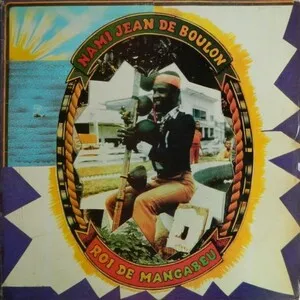
Mangambeu is a celebratory popular style of the Bangangté (a Bamileké subgroup) from western Cameroon.
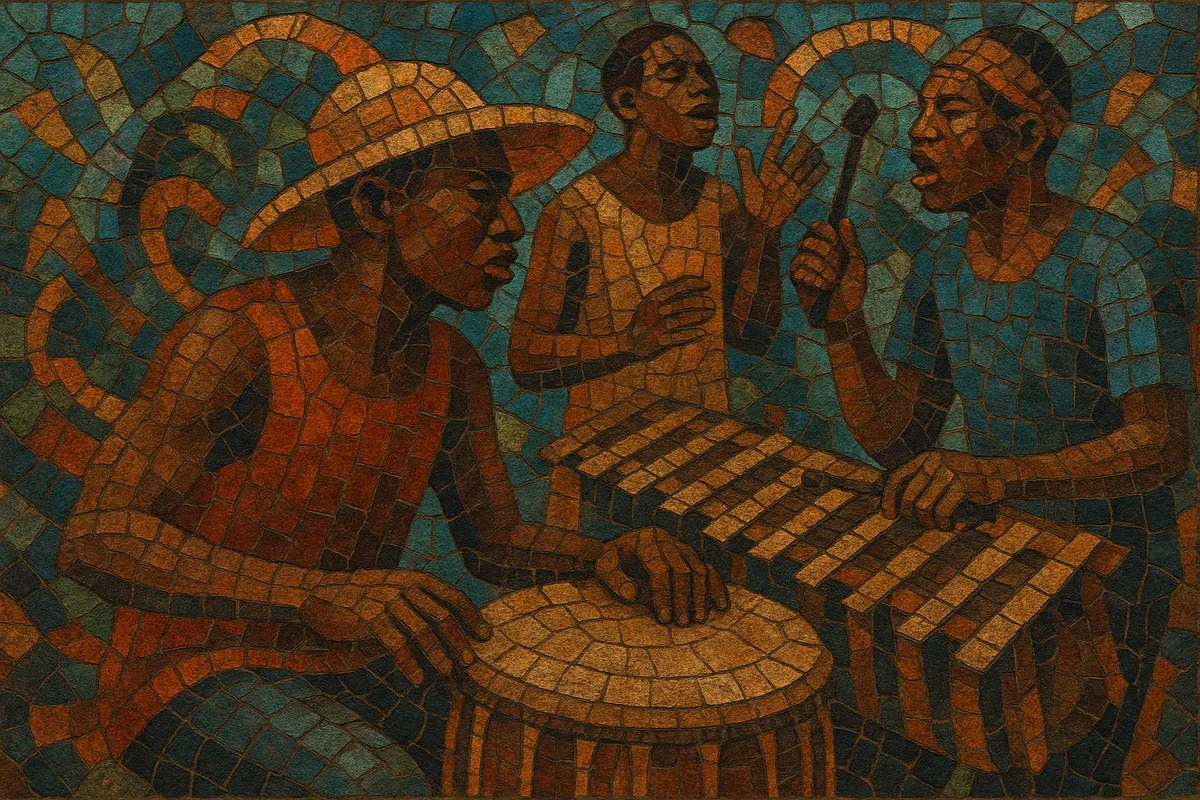
It is driven by interlocking polyrhythms, call‑and‑response vocals, and cyclical ostinatos played on mbira‑like lamellophones (locally known as sanza/likembe), balafon, drums, rattles, and handclaps.
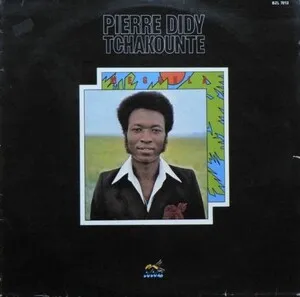
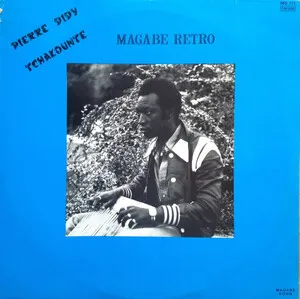
Brought to wider attention by Pierre Didy Tchakounté, mangambeu retains its village‑dance energy in modern urban settings, where guitar, bass, and drum kit may double or color the traditional parts. Singers often perform in Medumba (the Bangangté language), with refrains designed for communal participation and dance.
While rooted in local Bamileké ceremonial and festive practice, mangambeu today also appears on stage and in recordings by contemporary artists such as Kareyce Fotso, who preserve its acoustic feel while adapting song forms and arrangements for broader audiences.
History
Mangambeu originates among the Bangangté people in Cameroon’s West Region. It developed as a festive dance music for communal celebrations—weddings, harvests, local festivals—where circle dances and call‑and‑response singing reinforce community ties. Core timbres come from lamellophones (sanza/likembe), balafon, frame and goblet drums, seed rattles, and clapping, producing layered 6/8 and 12/8 polyrhythms.
With rural–urban migration and the rise of radio and touring troupes in the mid‑20th century, regional Bamileké styles, including mangambeu, entered urban spaces in Douala and Yaoundé. Pierre Didy Tchakounté became a key popularizer, presenting mangambeu on modern stages without losing its participatory essence. Amplified guitar and bass occasionally doubled traditional ostinatos, while studio production preserved the trance‑like interlocking textures of village performance.
From the 1990s onward, artists such as Kareyce Fotso have carried mangambeu into folk‑acoustic and world‑music circuits, emphasizing voice, percussion, and stripped‑down arrangements. Cultural associations and community troupes in the West Region continue to transmit the dance and repertory, while urban bands reference mangambeu rhythms within broader Cameroonian popular music. The style’s mbira‑like timbres and propulsive polyrhythms have also inspired fusion work in worldbeat and Afro‑jazz contexts.
Today, mangambeu remains a dance‑centered, community‑affirming practice—performed at ceremonies and festivals—while also existing as a concert genre. Its adaptability to acoustic or lightly amplified settings helps sustain its vitality both at home and in the diaspora.