Your digging level

For this genre
0/8
🏆
Sign in, then listen to this genre to level up

Description

Lagu Iban literally means “Iban songs” and encompasses the vocal and instrumental music sung in the Iban language by the Iban (Dayak Iban) people of northern Borneo, especially Sarawak (Malaysia). It spans a spectrum from ritual and festival-associated singing to modern, studio-produced pop.

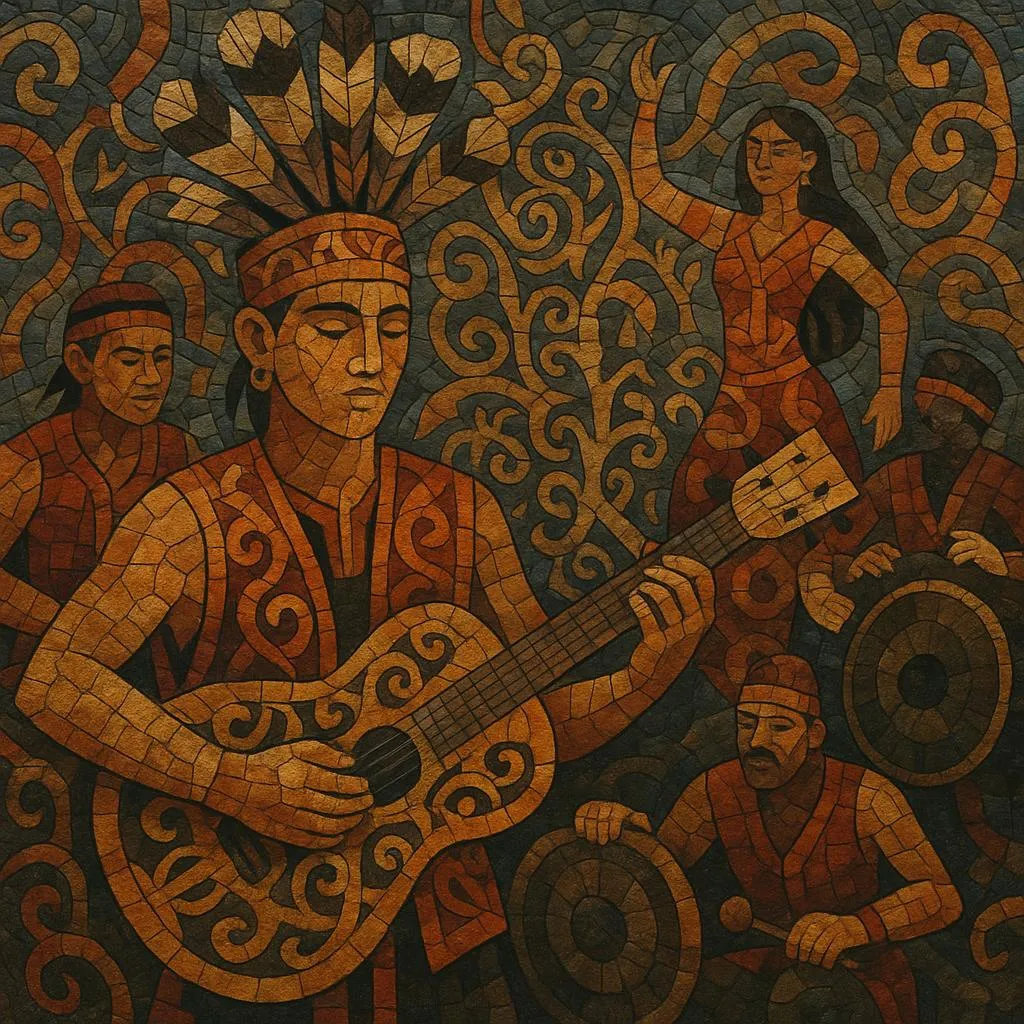
Traditionally, Iban music includes ceremonial chant and poetic sung speech, and lively dance pieces for the Ngajat dance during the Gawai Dayak harvest season, accompanied by gendang (drums), tawak (large gong), and engkerumong (rack of small gongs). In the late 20th century it also came to include guitar-led pop, country ballads, rock, and reggae-tinged party songs, all delivered in Iban lyrics and often shaped by local poetic couplets and call-and-response.

As a contemporary umbrella genre, lagu Iban is both a cultural expression of longhouse life and identity and a flexible, modern popular style that can sit comfortably alongside Malaysian and Indonesian pop on radio, cassettes, and streaming.


Sources: Spotify, Wikipedia, Discogs, RYM, MB, user feedback and other online sources

History

Origins and Traditional Roots

Iban musical practice predates the modern recording era by centuries. In the longhouse context, sung poetry and ceremonial chant accompanied rites and communal events, while dance pieces for Ngajat used interlocking gong rhythms and hand drums. This indigenous core established the language, themes, and rhythmic feel that would remain central to lagu Iban.

From Radio to Cassettes (1960s–1980s)

The emergence of regional radio and local labels in Sarawak in the 1960s–70s enabled Iban-language recordings to circulate beyond the longhouse. Portable cassette culture in the 1980s spread lagu Iban widely across Sarawak and neighboring Kalimantan and Brunei, encouraging fusions with Malay pop, rock, and dangdut while retaining Iban lyrics and refrains.

Band Era and Genre Hybridization (1990s–2000s)

As local bands and studio singers grew in number, lagu Iban diversified: guitar bands adapted rock and country idioms; soloists released Iban pop ballads; and festival songs for Gawai embraced danceable rhythm sections with traditional gong patterns. Live shows and VCDs cemented an active regional circuit.

Digital Age and World-Facing Projects (2010s–present)

YouTube and streaming platforms globalized access, and cross-cultural projects began highlighting Bornean instruments (notably the sape) alongside Iban vocals. Contemporary bands and ensembles blend traditional percussion with rock backlines and world-fusion production, keeping the language and imagery of Iban life at the center while appealing to broader Malaysian and international audiences.

How to make a track in this genre

Core Instrumentation and Rhythm
•   Start with a steady 2/4 or 4/4 groove that can support Ngajat-style dance energy. Layer gendang (hand drum) with gong patterns: a deep tawak pulse on beats 1–3 (or 1) and interlocking engkerumong figures filling the offbeats. •   For modern productions, add drum kit or programmed drums, electric bass, and rhythm guitar. A clean sape or acoustic guitar line can supply a pentatonic or modal riff as a signature hook.
Melody, Harmony, and Form
•   Melodies often favor major pentatonic or diatonic major/minor, with singable ranges and memorable choruses. Call-and-response between lead and backing vocals works well and reflects longhouse performance practice. •   Typical pop-rock progressions (I–V–vi–IV or I–IV–V) fit ballads and mid-tempo pieces; try a two-chord vamp (I–V or i–VII) under more chant-like sections. •   Song forms commonly follow verse–pre-chorus–chorus, with a short instrumental interlude showcasing sape, guitar, or gong textures.
Lyrics, Language, and Imagery
•   Write in Iban for authenticity. Themes include village and longhouse life, Gawai celebration, river and forest imagery, migration and longing (merantau), kinship, love, pride, and humor. •   Use concise, repeatable lines and refrain tags to maximize audience participation. Poetic couplets and simple metaphor help lyrics resonate in communal settings.
Production Tips
•   Blend close, present vocals with room or plate reverb to evoke communal space. Layer traditional percussion underneath contemporary drum/bass for danceability without losing identity. •   Feature a short breakdown that spotlights gong ensemble or sape before the final chorus to connect modern arrangement with traditional color.

Top tracks

Locked
Share your favorite track to unlock other users’ top tracks

Upcoming concerts

in this genre
Influenced by
Has influenced

Download our mobile app

Get the Melodigging app and start digging for new genres on the go
© 2026 Melodigging
Melodding was created as a tribute to Every Noise at Once, which inspired us to help curious minds keep digging into music's ever-evolving genres.
Buy me a coffee for Melodigging