Your digging level for this genre

0/8
🏆
Sign in, then listen to this genre to level up

Description

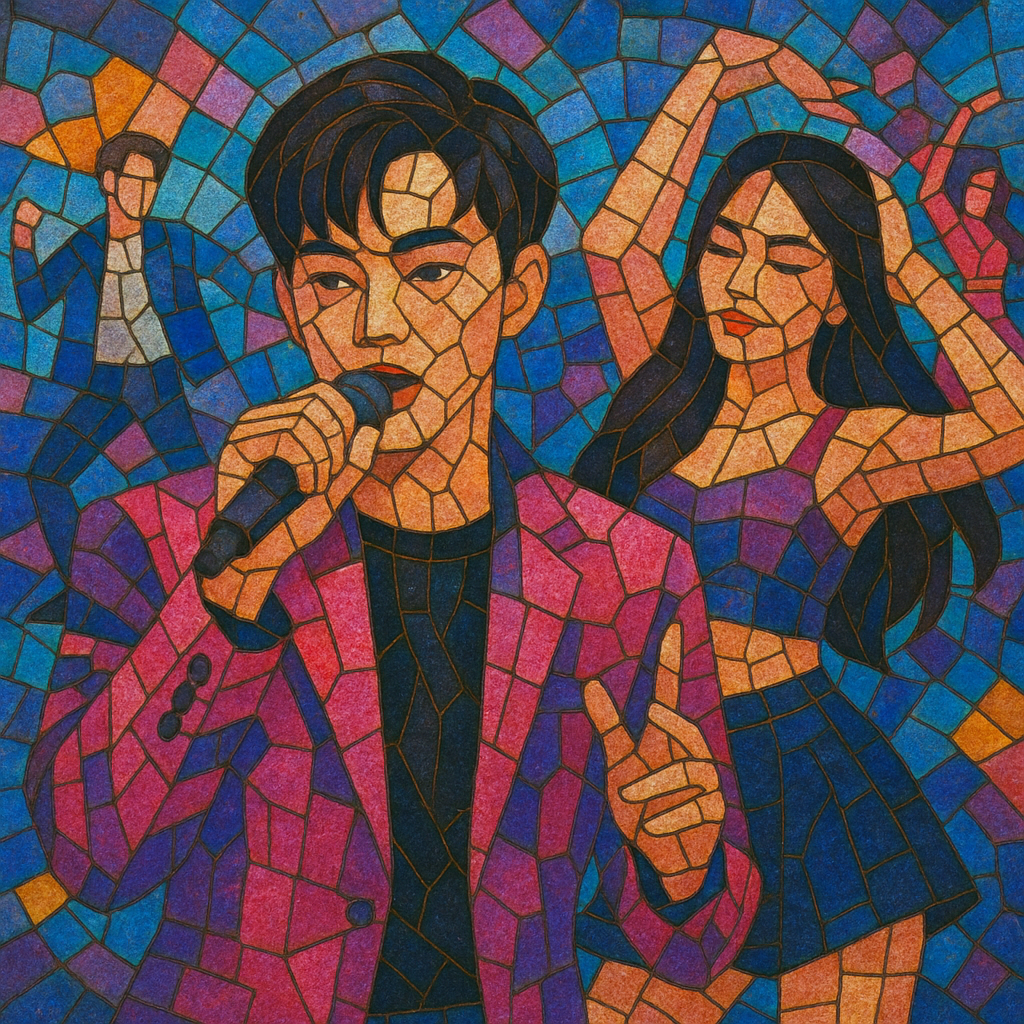
Korean pop (K‑pop) is a mainstream South Korean popular music style characterized by hook‑driven songwriting, high‑gloss production, and tightly choreographed visual performance.

It blends Western pop, hip hop, R&B, electronic dance music, and synth‑pop with a uniquely Korean idol‑training system, multilingual lyrics (often Korean with English hooks), and transmedia storytelling.

K‑pop releases typically arrive with concept‑driven visuals, elaborate music videos, and fan‑engagement strategies that extend across social media, variety shows, and live performance, making the genre as much about spectacle and community as it is about sound.

History

Origins (early–mid 1990s)

K‑pop’s modern form coalesced in the early 1990s after South Korea’s rapid liberalization of media and culture. In 1992, Seo Taiji and Boys fused hip hop, new jack swing, rock, and techno with Korean lyrics and TV‑friendly performance, setting a new template for youth‑oriented pop. Entertainment companies such as SM, JYP, and YG formalized the trainee system, which combined intensive vocal, dance, and language training with concept planning.

First generation idols (late 1990s)

Groups like H.O.T., S.E.S., and g.o.d pioneered the idol group model: distinct member roles, synchronized choreography, and sing‑along choruses. Physical album sales, TV music shows, and fan clubs became the engine of a domestic pop ecosystem.

Second generation and regional expansion (2000s)

Artists such as BoA and TVXQ expanded into Japan and Greater China, while Girls’ Generation, BIGBANG, and 2NE1 diversified the sound with electro‑pop, R&B, and hip hop aesthetics. The rise of online platforms and YouTube began to globalize K‑pop’s reach through shareable music videos and dance practices.

Viral globalization (2010s)

PSY’s “Gangnam Style” (2012) proved K‑pop’s viral potential. Third‑generation groups (EXO, BTS, BLACKPINK, TWICE) leveraged social media fandoms, narrative‑driven albums, and world tours to break into Western charts. Production increasingly incorporated trap, future bass, and EDM drops, while multilingual releases and international songwriting camps became standard.

Fourth/next generations (late 2010s–2020s)

Newer acts emphasize hyper‑polished sound design, genre‑splicing (from drum & bass to hyperpop textures), and immersive concepts extended into web content, gaming, and metaverse‑style events. K‑pop’s industrial model and aesthetics have influenced idol scenes across Asia and beyond.
How to make a track in this genre

Song structure and form
•   Use a pop framework with clear sections: intro, verse, pre‑chorus build, chorus (big hook), post‑chorus/tag, rap bridge or dance break, final chorus with variation. •   Aim for a memorable, high‑impact chorus; consider key changes or arrangement lifts in the last chorus for climax.
Harmony and melody
•   Favor bright, diatonic progressions common in pop (e.g., I–V–vi–IV) but don’t fear modal interchange or brief chromatic turns for color. •   Melodies should be hook‑centric, balancing singability with rhythmic interest. Use call‑and‑response or layered countermelodies for group parts.
Rhythm and tempo
•   Typical tempos range from 90–130 BPM (ballads lower; dance tracks higher). Incorporate contemporary grooves: four‑on‑the‑floor house, trap hi‑hat rolls, or halftime drops. •   Build dynamic contrasts: sparse verses, pre‑chorus tension, and explosive choruses with fuller drums and side‑chained synths.
Instrumentation and sound design
•   Combine electronic foundations (synth bass, pads, lead plucks, risers) with modern drum kits (808s, tight claps, crisp hats) and occasional live elements (guitars, strings, brass stabs). •   Use layered vocal stacks, harmonies, ad‑libs, and vocoder/doubler effects to thicken hooks. Sound design should be glossy and wide with clean transients.
Vocals and lyrics
•   Arrange for multiple vocalists with distinct timbres and ranges; assign lines to showcase color and texture. Include a rap verse or rhythmic talk‑sing for contrast. •   Write primarily in Korean with concise English phrases in hooks to enhance memorability and global reach. Themes typically span romance, empowerment, friendship, and self‑confidence.
Production and arrangement
•   Craft ear‑candy: fills, reverses, FX swells, pre‑drop silence, and micro‑edits. Automate filters and reverbs for sectional movement. •   Mix for clarity and punch: tight low‑end management, bright but controlled highs, and prominent lead vocals. Master competitively without sacrificing dynamics.
Choreography and visuals
•   Design choreography‑friendly drops and instrumental breaks. Align musical accents with dance hits. •   Develop a clear concept (color palette, narrative, styling) and plan content (MV, dance practice, teasers) in parallel with the music.

Main artists

Top tracks

Locked
Share your favorite track to unlock other users’ top tracks
Influenced by
Has influenced
Challenges
Digger Battle
Let's see who can find the best track in this genre
© 2025 Melodigging
Melodding was created as a tribute to Every Noise at Once, which inspired us to help curious minds keep digging into music's ever-evolving genres.
Buy me a coffee for Melodigging