Your digging level
Description
Kef music is a dance‑oriented Armenian American party music (kef means “good time” or “festivity”) that crystallized in immigrant communities.
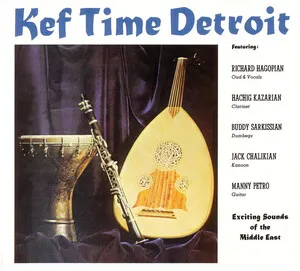
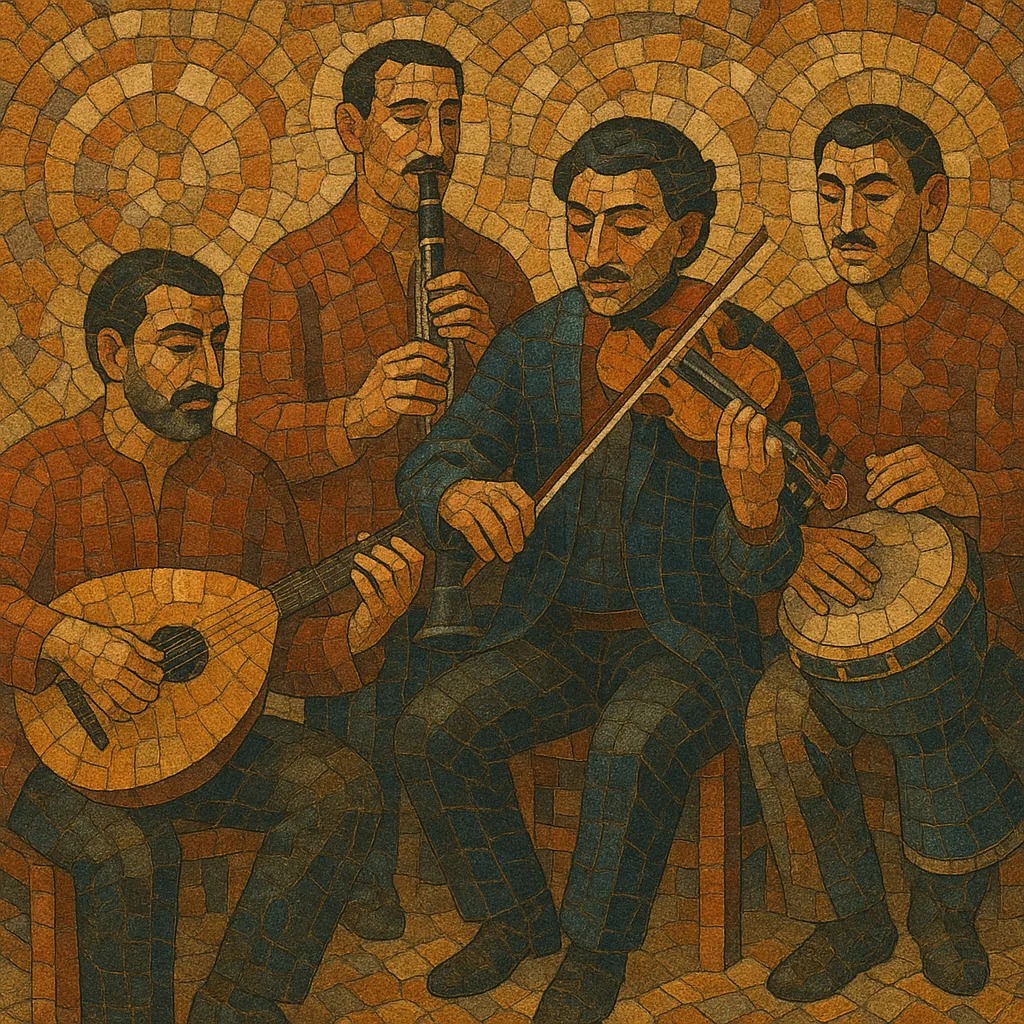
It features Anatolian instruments and timbres—especially oud, clarinet, violin, qanun, and dumbek/darbuka—playing folkloric melodies in lively asymmetric meters, very often 10/8 alongside 9/8 and 7/8. Modal (makam‑based) tunes are paired with novel lyrics that may be humorous, topical, romantic, or nostalgic, sung in Western Armenian (and sometimes English or Armenian‑Turkish dialects). The style is designed for social dancing—line dances like shourch bar and tamzara—and for communal celebration at weddings, picnics, and “kef nights.”
History
Armenian immigrants arriving in the United States in the early 20th century brought village dance repertoires and Anatolian performance practices with them. In community halls, cafés, church basements, and picnic grounds in cities like New York, Boston, Providence, Detroit, and Fresno, musicians adapted these dances and songs to new social settings. The emphasis on lively asymmetric meters (often 10/8) and line‑dance grooves, plus flexible instrumentation (oud, violin, clarinet, hand percussion), gave rise to a distinct Armenian American “kef” sound tailored for parties and weddings.
By the 1940s, ensembles such as the Philadelphia‑area Vosbikian Band popularized a tight, dance‑band approach: folkloric melodies arranged for multi‑hour social functions, fast circles and slow sets, and newly coined or topical lyrics that resonated with diaspora life. Recordings and local radio spread the style among Armenian communities and neighboring Greek, Turkish, Arab, and Balkan circles.
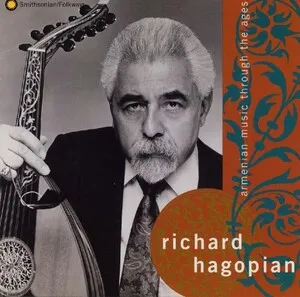
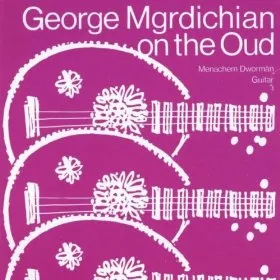
A wave of virtuoso oud players and bandleaders—Richard Hagopian, John Berberian, Marko Melkon, Chick Ganimian, George Mgrdichian—helped codify and modernize kef music on LPs. Some added jazz, rock, or lounge inflections while preserving core modal language and dance meters. The clarinet (and sometimes saxophone) took prominent roles, with improvised taksims introducing set dances. “Kef Time” dances became fixtures of Armenian American social calendars.
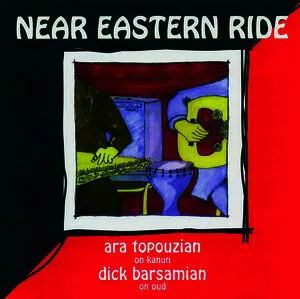
Later musicians (e.g., Onnik Dinkjian, Souren Baronian, Mal Barsamian, Ara Dinkjian) sustained and refreshed repertory, documented regional variants (e.g., tamzara, shouror, bar sets), and taught younger players. Today, kef music thrives at diaspora weddings and community events, in college Armenian clubs, and on specialty labels, while its instrumental language intersects with belly dance circuits and various world/jazz fusions.