Your digging level
Description
Kabyle moderne is the contemporary, pop-oriented evolution of Kabyle (Amazigh/Berber) music from Algeria.
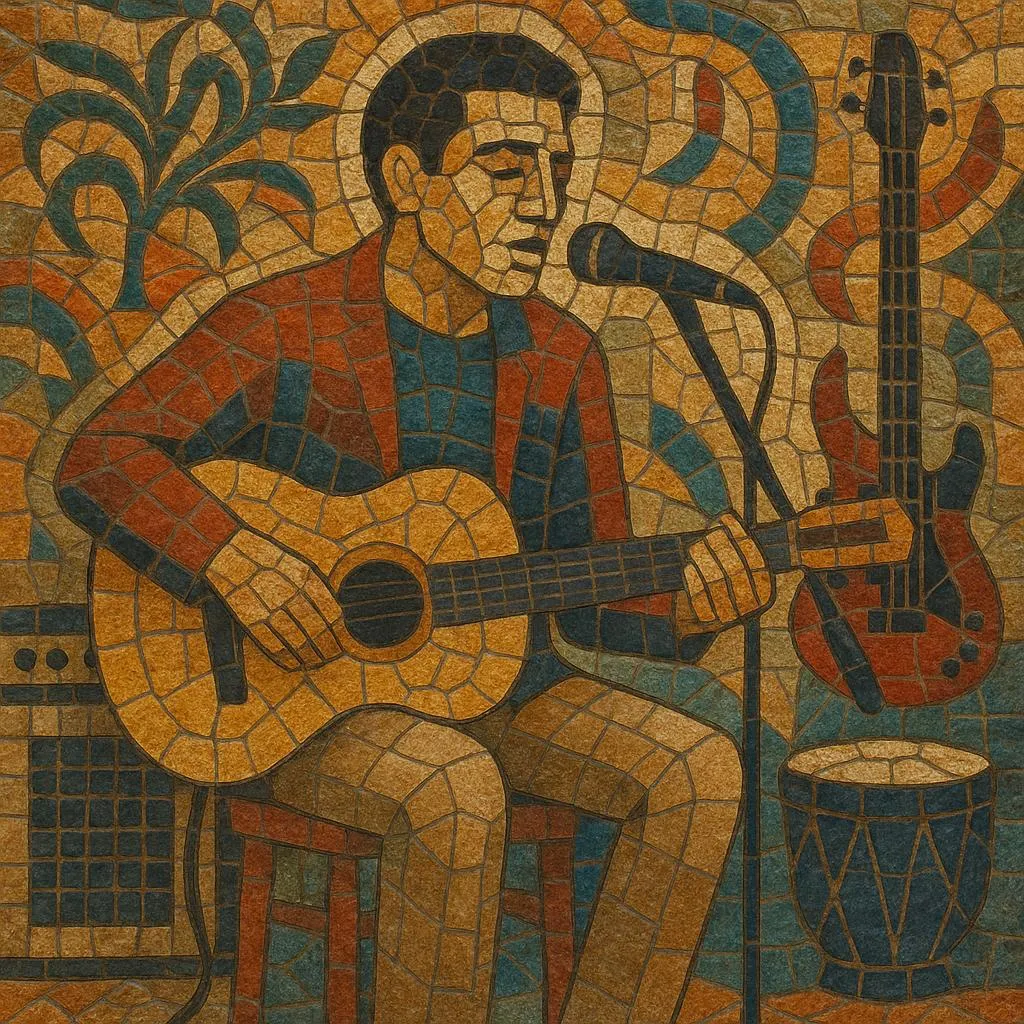
It retains the poetic Tamazight (Kabyle) lyric tradition and characteristic 6/8 rhythmic feel, while adopting modern arrangements—drum kit, electric bass, guitar/mandole, keyboards, and studio polish—often informed by French pop/rock and wider North African styles such as chaabi and raï. Vocals are ornamented and expressive, with memorable, anthem-like refrains designed for radio and stage.
Lyrically, Kabyle moderne balances love songs with social commentary, identity, and diaspora themes, presenting a modern urban/diaporic lens on a deeply rooted folk idiom.
History
The modernizing turn of Kabyle music took shape in the 1970s, when Algerian artists—often moving between Kabylia and the French diaspora—began to blend traditional poetic song and 6/8 dance rhythms with acoustic guitar, mandole, and pop/folk-rock arranging. Early studio recordings and radio broadcasts gave the style an audience beyond local festivities.
As more Kabyle musicians settled or toured in France, the repertoire reflected themes of exile, cultural affirmation, and political conscience. Amplified instruments, drum kit, and bass became standard, while stagecraft and record production aligned with European pop/rock aesthetics. The result was a recognizable modern Kabyle sound that remained unmistakably Amazigh in language and melody.
From the 2000s onward, Kabyle moderne diversified: some artists pursued radio-friendly pop and ballads; others fused in raï grooves, chaabi phrasing, and light electronic textures. Concert halls and festivals across North Africa and Europe bolstered its profile, and digital platforms connected younger listeners to a living tradition that continues to update itself without losing its Kabyle core.
The style’s backbone is the 6/8 sway (often accented 3+3), modal melodies with ornamental singing, and the timbre of mandole/guitar against steady drum/bass. Lyrics in Tamazight (Kabyle) foreground metaphor, memory, and social narratives, aligning folk poetics with contemporary production.



Best playlists