


Description
Italian opera encompasses opera created in Italy and opera sung in Italian; it is a broad theatrical tradition rather than a single, unchanging sound. It joins sung drama with instrumental accompaniment, staging and often choruses, shaping music around characters, words and action.
Its early forms favored speech-like recitative over relatively simple accompaniment. Later approaches gave greater prominence to formal arias and vocal elegance, while other works integrated solos, ensembles and choruses into a more continuous dramatic flow. The tradition includes both serious and comic opera, ranging from elevated tragedy to lively stage action and colloquial dialogue.
Based on: Wikipedia
More on: Every Noise at Once, Wikidata
History
Beginnings
Opera emerged in Italy around 1600 from a culture of sung drama and theatrical entertainment. An important precursor was monody: emotionally expressive solo singing supported by a comparatively simple chordal accompaniment. Jacopo Peri’s Dafne is considered the earliest composition recognizable as an opera. His Euridice, performed in Florence in 1600, used heightened, speech-like recitative; Claudio Monteverdi’s L’Orfeo, written for Mantua in 1607, developed the form into a more varied and ambitious drama.
Public theaters and international reach
The opening of Venice’s Teatro di San Cassiano in 1637 helped move opera from court patronage into commercial entertainment. Venetian opera placed greater weight on arias and vocal elegance, and Francesco Cavalli became one of its important composers. His operas traveled widely, although some critics objected to the mixture of tragedy and farce in Giasone. Italian opera subsequently became an international style, cultivated by composers from outside Italy as well as by Italians.
Serious, comic and Romantic opera
Opera seria became prominent in the 18th century, favoring streamlined serious plots. Opera buffa emerged in Naples in the early years of the century, bringing simpler comic plots, colloquial language and close attention to stage action. Critics of opera seria attacked elaborate vocal display and spectacle where they displaced dramatic unity; Christoph Willibald Gluck advocated making music and staging serve the drama.
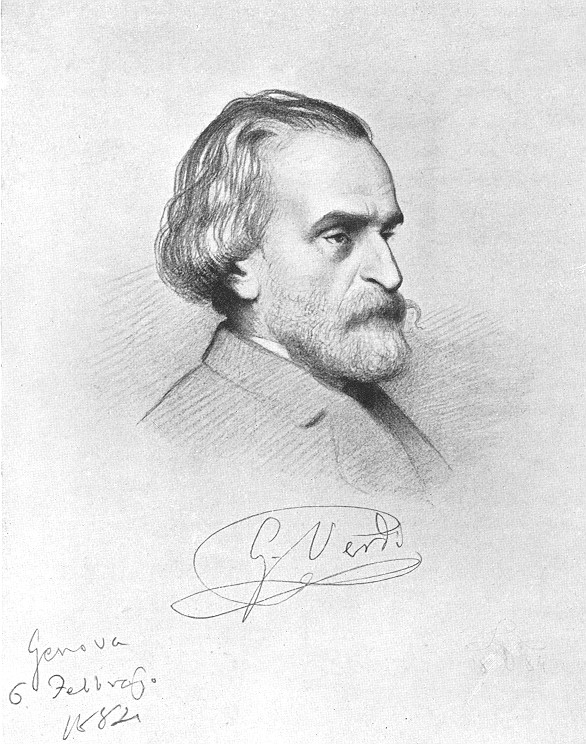
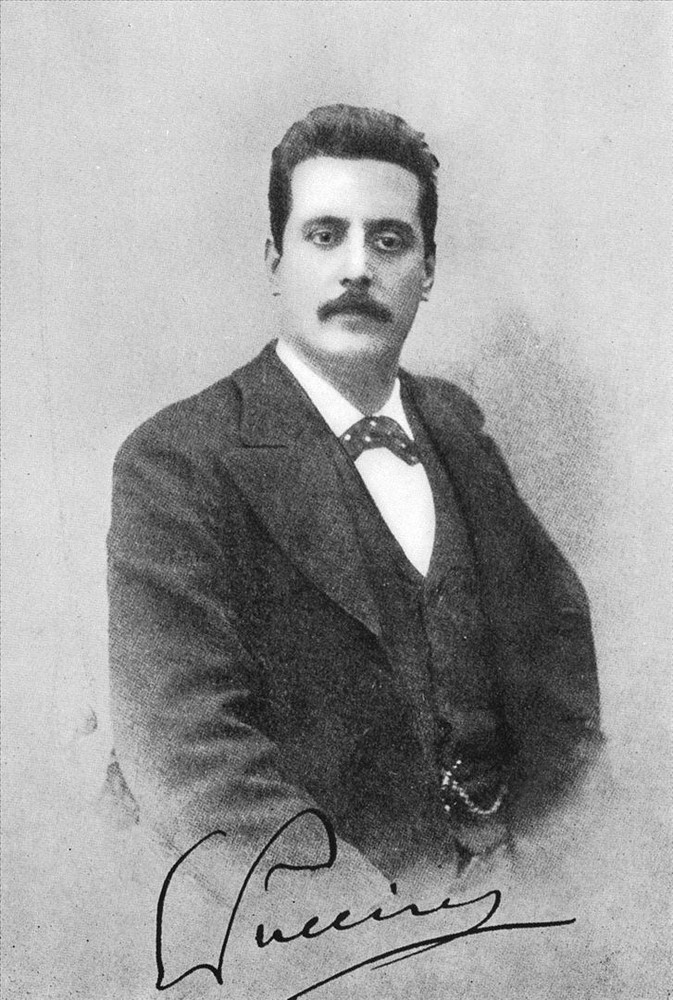
In the 19th century, Gioachino Rossini, Vincenzo Bellini and Gaetano Donizetti were major figures in the Italian bel canto tradition. Giuseppe Verdi experimented with operatic form and increasingly integrated its traditional components into the dramatic flow. Giacomo Puccini’s operas carried the Italian tradition into the 20th century.
Begin with a dramatic text
Choose a story suited to sung theater and give each character a distinct dramatic purpose. Let the emotional meaning and rhythm of the words guide the vocal writing. For an early Italian-opera approach, you could use a solo line close to heightened speech over a relatively simple chordal accompaniment.
Shape the musical scenes
Alternate speech-like recitative, which can move the action forward, with more self-contained arias at moments of heightened emotion. You could add instrumental interludes and choruses to provide contrast or comment on the action. For a later dramatic approach, connect solos, duets and choruses more closely so that the music follows the unfolding scene.
Choose a theatrical character
For a serious piece, consider a focused plot and a vocal style that gives weight to heightened emotions. For a comic approach, use clear stage action, conversational language and music that responds quickly to changes in the situation. Vocal elegance can be a central attraction, but you can also use simpler lines and a fuller instrumental texture when dramatic clarity is the priority.
7 Opera Songs for Beginners | How to Sing Opera
TakeLessons

Want to Sing OPERA, But It Doesn’t Sound Right?
Healthy Vocal Technique

How To Sing Opera: "O Mio Babbino Caro" from Gianni Schicchi (Puccini)
Freya Casey - Master Your Voice

Best playlists

Influenced by



Has influenced


