Your digging level

For this genre
0/8
🏆
Sign in, then listen to this genre to level up

Description

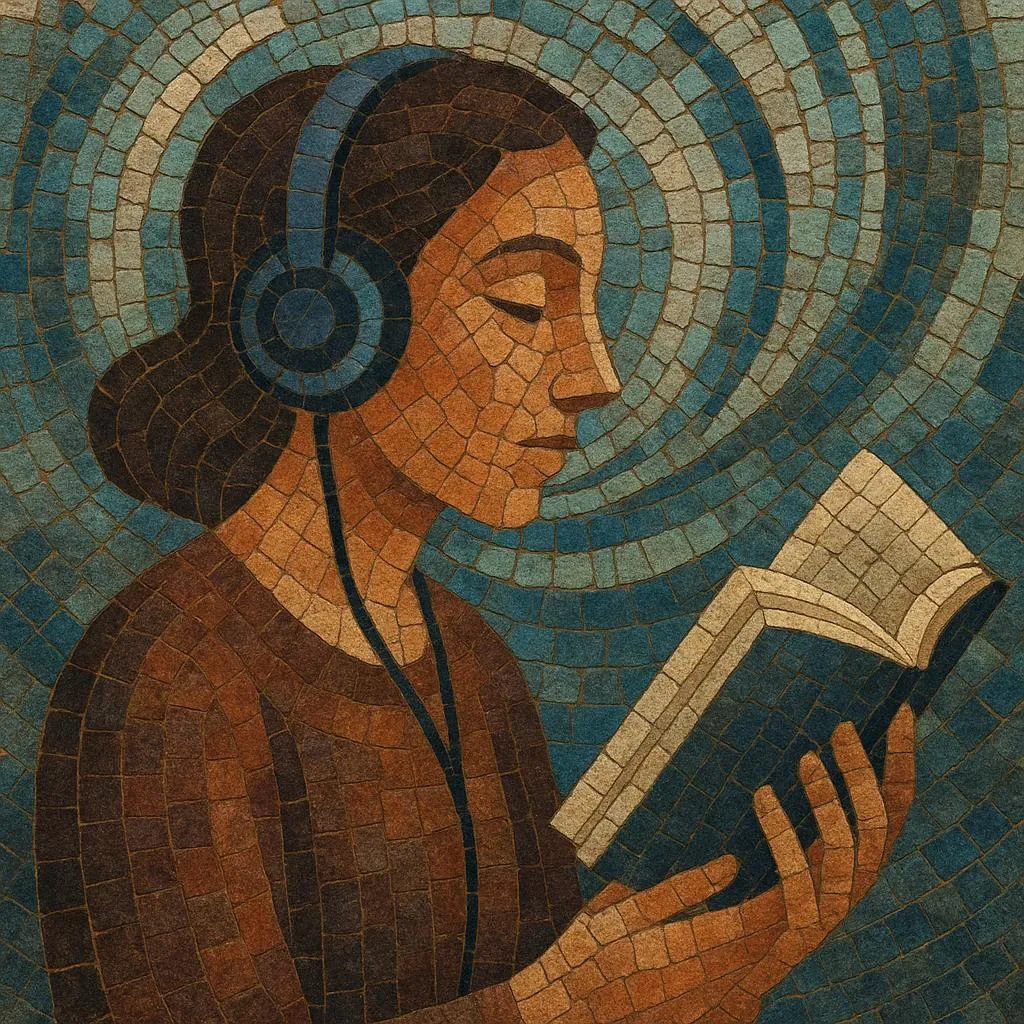
Hangoskonyvek is the Hungarian term for audiobooks: professionally recorded, spoken-word renditions of literature, non‑fiction, poetry, and educational texts in Hungarian.

As a listening-first format, hangoskonyvek emphasize clear diction, expressive narration, and careful pacing over musical accompaniment. While some releases add incidental music or light sound design, the core of the genre is performance—actors and narrators bringing printed words to life for commuters, visually impaired listeners, students, and literature lovers.

Although audiobooks arose internationally from early "talking book" and radio-reading traditions, the Hungarian scene coalesced through radio recitations and studio productions that later migrated to cassette, CD, and, today, streaming and download platforms.


Sources: Spotify, Wikipedia, Discogs, RYM, MB, user feedback and other online sources

History

Early roots (1930s–1950s)

Internationally, audiobooks trace back to "talking books" of the 1930s and radio literature programs. In Hungary, radio recitations on Magyar Rádió and theatrical traditions of poetry declamation laid the foundation for recorded literary performances. These live and studio readings established the expectations of clear Hungarian diction, phrasing, and dramatic nuance that continue to define hangoskonyvek.

Tape and CD era (1970s–2000s)

The spread of compact cassettes in the 1970s–80s and later CDs in the 1990s enabled longer works—novels, memoirs, and essay collections—to be published in full. Record labels and publishers (e.g., Hungaroton and later Kossuth Kiadó’s audiobook lines) collaborated with acclaimed actors to produce unabridged classics and school-curriculum staples, making the format a staple for study and leisure.

Digital expansion (2010s–present)

From the 2010s, digital storefronts and subscription platforms normalized on-demand listening. The catalog broadened to include contemporary fiction, genre literature (crime, historical epics), self-help, and children’s titles. Production values rose—quiet rooms, high-end microphones, and professional post-production—while releases sometimes introduced subtle music cues and scene-setting ambiences without obscuring the voice.

Today’s landscape

Modern hangoskonyvek balance fidelity to the text with performance craft. Star narrators are cast to match authorial tone (wry, lyrical, suspenseful), and publishers commission both abridged and unabridged editions to fit listener preferences. Educational and accessibility roles remain central, yet the audience now spans casual listeners and dedicated literature fans who treat narrators like lead performers.

How to make a track in this genre

Voice and performance
•   Cast a narrator whose timbre and acting fit the text’s tone (lyrical prose vs. dry wit vs. thriller pacing). •   Prioritize intelligibility: impeccable Hungarian diction, controlled breath, and consistent pacing. Mark paragraphing and dialogue shifts with subtle changes in phrasing and micro-pauses. •   Character differentiation: vary register, rhythm, and placement (not caricature) to signal speakers; maintain a cast list of voice choices for continuity across chapters.
Recording and engineering
•   Room: a very quiet, treated space; low noise floor; minimal early reflections. •   Chain: large-diaphragm condenser or high-quality shotgun mic; pop filter; clean preamp; 24‑bit recording at 44.1/48 kHz. •   Takes: capture long uninterrupted reads to preserve flow; punch-and-roll for corrections; maintain consistent mouth-to-mic distance. •   Post: gentle corrective EQ (de-ess, tame low rumble), light compression for dynamic consistency, careful mouth-click reduction. Loudness target typically around −18 to −16 LUFS integrated for voice-only.
Editing and structure
•   Remove stumbles while preserving natural cadence; retain short, intentional silences for paragraph breaks and scene changes. •   Chaptering and metadata: embed clear track/chapter markers, author, narrator, series info, and standardized cover art.
Music and sound design (optional)
•   If used, keep cues sparse: a short intro/outro theme, subtle interludes between parts, or restrained ambience for scene transitions. Never mask speech intelligibility.
Text preparation and rights
•   Secure audio rights, confirm edition (abridged vs. unabridged), verify pronunciations (names, dialect words), and prepare a style/pronunciation guide for the narrator.

Top tracks

Locked
Share your favorite track to unlock other users’ top tracks

Upcoming concerts

in this genre
Influenced by
Has influenced

Download our mobile app

Get the Melodigging app and start digging for new genres on the go
© 2026 Melodigging
Melodding was created as a tribute to Every Noise at Once, which inspired us to help curious minds keep digging into music's ever-evolving genres.
Buy me a coffee for Melodigging