Your digging level

For this genre
0/8
🏆
Sign in, then listen to this genre to level up

Description

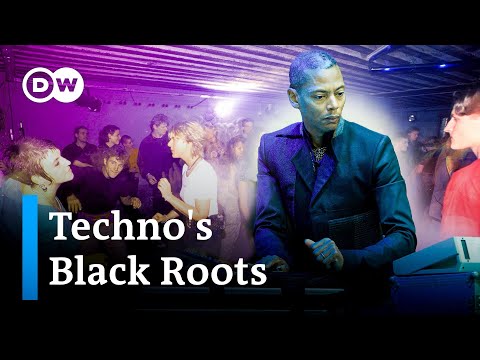
The first wave of Detroit techno refers to the original mid-to-late 1980s Detroit scene that crystallized “techno” as a distinct style.

It is characterized by futuristic, machine-like rhythms (often rooted in 4/4), sharp electronic percussion, and synthesizer-driven hooks that feel both mechanical and soulful.

Sonically, it blends the European electronic lineage of Kraftwerk and synth-pop with the rhythmic DNA of funk, electro, and early house, often expressing a distinctly Detroit sense of optimism, tension, and urban modernity.

Sources: Spotify, Wikipedia, Discogs, Rate Your Music, MusicBrainz, and other online sources

History

Origins (Early–Mid 1980s)

Detroit’s first-wave innovators developed techno while absorbing European electronic music (especially Kraftwerk-inspired synth aesthetics) and African-American dance music traditions from funk, electro, and disco.

The Belleville/Detroit Axis and Early Records (Mid–Late 1980s)

The earliest wave is most strongly associated with the Detroit/Belleville circle and the formation of key labels and projects that defined the sound.

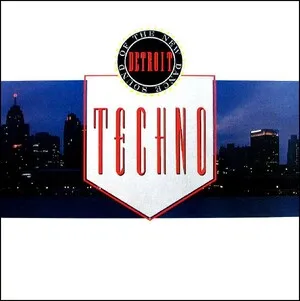
A landmark moment was the release of Techno! The New Dance Sound of Detroit (late 1980s), which helped codify the term internationally.

Connection to Electro, House, and Synth-Pop

First-wave Detroit techno was not isolated: its producers were active across electro, house-adjacent club tracks, and synth-pop-inflected material.

This cross-pollination is part of why the era is described as a scene that “invented Detroit Techno and was active in Electro, House, and Synth-Pop.”

International Breakthrough and Legacy (Late 1980s–1990s)

European club networks (particularly in the UK and continental Europe) amplified Detroit techno, turning first-wave aesthetics into a foundational reference point.

The sound’s emphasis on machine funk, futurism, and minimal lyric content strongly shaped later techno’s global evolution and the broader spectrum of electronic dance music.

How to make a track in this genre

Core Tempo & Groove
•   Use a steady 4/4 pulse, typically around 120–135 BPM. •   Build a driving kick pattern with crisp syncopated hats and claps/snares to create “machine funk.” •   Add subtle swing/shuffle via hi-hat timing or off-beat percussion; keep it tight rather than loose.
Drum Sound Design
•   Classic drum-machine aesthetics are central (e.g., 808/909-style kicks, claps, hats), but the key is the programming and placement. •   Layer short, bright percussive hits (rimshots, metallic ticks, tom stabs) to evoke industrial precision. •   Use filtered noise bursts for hats or transitions; keep decay short to preserve punch.
Synths, Bass, and Harmony
•   Basslines are usually simple, repetitive, and percussive; aim for a round but defined low end. •   Use synth stabs and arpeggios inspired by electro/synth-pop (minor pentatonic, dorian/aeolian colors work well). •   Harmony is often minimal: one or two chord centers, with movement created by timbre shifts, filter automation, and rhythmic variation.
Melodic Motifs & Futurism
•   Write a strong, memorable hook using a bright lead, FM-style pluck, or saw/pulse synth. •   Use call-and-response between lead motif and chord stab or arpeggio. •   Favor “future” textures: FM bells, metallic pads, robotic tones, and clean digital reverbs.
Arrangement & Structure
•   Start with drums, then introduce bass, then stabs/motif layers gradually. •   Create energy with small changes every 8–16 bars (hat openings, added percussion, filter sweeps, brief breaks). •   Keep breakdowns purposeful and short; first-wave tracks often feel functional for DJs.
Vocals & Lyrics (Optional)
•   Many tracks are instrumental. •   If using vocals, keep them minimal: short phrases, processed/robotic delivery, or sampled snippets. •   Themes often suggest technology, urban futurism, movement, or modern life rather than personal storytelling.
Mixing Aesthetic
•   Prioritize kick and bass clarity; keep low end controlled. •   Use reverb and delay to create space, but avoid washing out the groove. •   Aim for a clean, punchy, forward mix that still feels raw and direct.

Top tracks

Locked
Share your favorite track to unlock other users’ top tracks
Influenced by
Has influenced
Challenges
Digger Battle
Let's see who can find the best track in this genre
© 2026 Melodigging
Melodding was created as a tribute to Every Noise at Once, which inspired us to help curious minds keep digging into music's ever-evolving genres.
Buy me a coffee for Melodigging