Your digging level

For this genre
0/8
🏆
Sign in, then listen to this genre to level up

Description

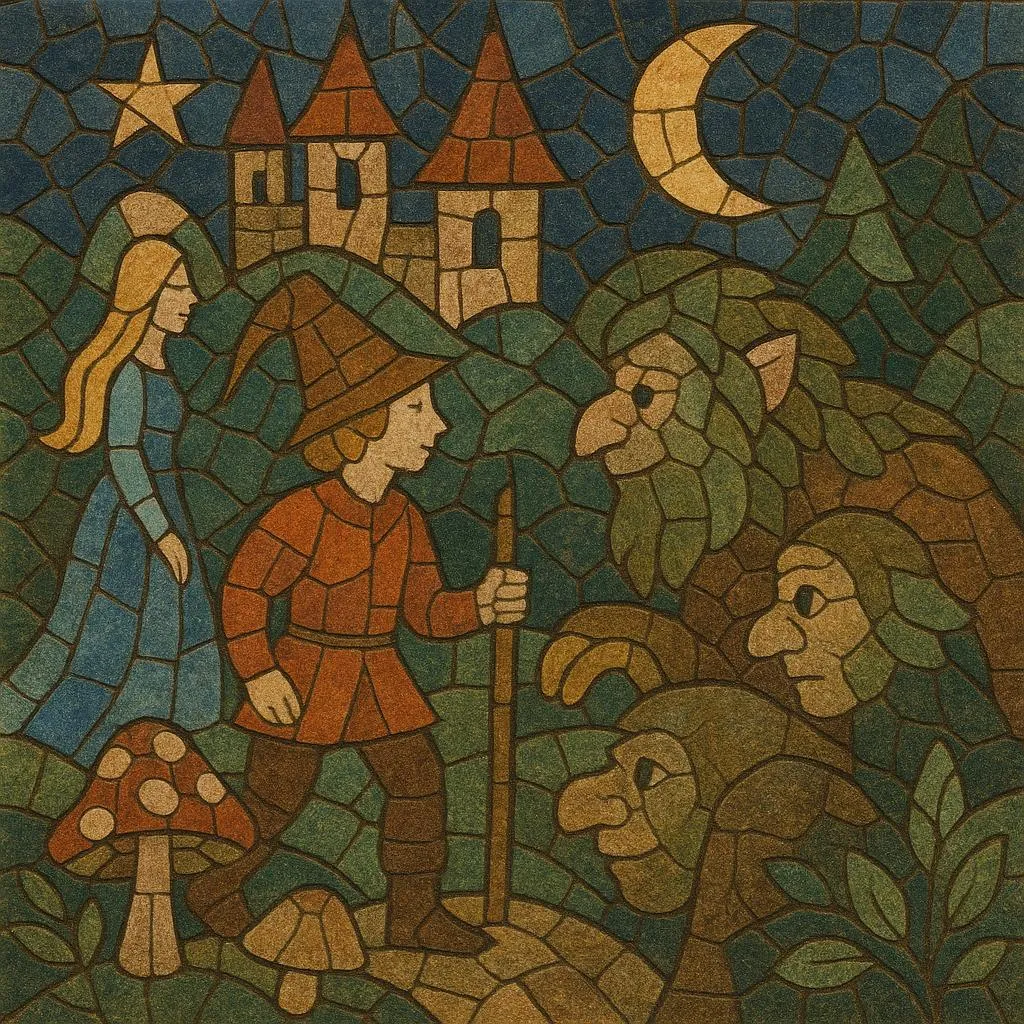
Eventyr is a Norwegian audio genre centered on narrated fairy tales and folklore for children, often accompanied by music, sound effects, and short songs. The word “eventyr” literally means “fairy tale,” and the genre presents classic and contemporary stories in an accessible, theatrical, and family-friendly audio format.

Typical productions feature a principal narrator, character voices performed by actors, and concise musical cues that underscore scenes or introduce characters. Arrangements frequently draw on light orchestral or acoustic palettes—glockenspiel, celesta, strings, accordion, guitar, or small percussion—to evoke a magical atmosphere. While primarily spoken-word, eventyr is strongly musical in pacing and design, bridging children’s music, radio play, and storytelling traditions.


Sources: Spotify, Wikipedia, Discogs, RYM, MB, user feedback and other online sources

History

Oral Roots and Printed Tales

Eventyr grows out of the centuries-old Scandinavian oral storytelling tradition, where folk narratives were shared in homes and community gatherings. In Norway the 19th-century collectors Peter Christen Asbjørnsen and Jørgen Moe codified many of these tales in print, helping to form a canonical repertoire that later became source material for recordings.

Radio and Record Era (mid‑20th century)

With the rise of public broadcasting and the post‑war record industry in the 1950s–60s, narrated fairy tales with musical interludes became a staple on radio and on children’s LPs. Producers adopted radio‑drama techniques—foley, incidental music, and casted character voices—to make stories vivid and accessible for home listening and schools.

Cassette/CD Boom and Educational Use (1970s–2000s)

Cassettes and then CDs turned eventyr into an everyday format for preschools (barnehage), libraries, and families. This period standardized a style: a single narrator or small ensemble of actors, concise cues, singable refrains, and careful diction to support language development.

Streaming and Cross‑Media (2010s–present)

Streaming platforms revived catalog recordings and inspired new productions, sometimes tied to animated or stage versions. Modern releases blend classic repertoire with contemporary stories, higher‑fidelity sound design, and original songs, while keeping the genre’s core: child‑oriented narration enhanced by music and soundscapes.

How to make a track in this genre

Core Format
•   Start with a clear, warm narrator voice in Norwegian (Bokmål or Nynorsk), paced for young listeners. Alternate narration with short dialogues to give scenes momentum. •   Structure the story in brief, well-defined episodes (30–120 seconds each) separated by musical stingers or leitmotifs.
Music and Sound Design
•   Instrumentation: light orchestral and acoustic colors—glockenspiel, celesta, harp, strings, accordion, acoustic guitar, woodwinds, and soft hand percussion. These timbres suggest magic and wonder without overwhelming speech. •   Harmony: favor modal and diatonic writing (major, natural minor, Dorian or mixolydian) with gentle progressions (I–IV–V, I–vi–IV–V). Keep texture transparent under speech; save fuller harmonies for interludes. •   Rhythm and Meter: simple meters (2/4, 3/4, 4/4). Short, singable refrains at 80–120 BPM help cue scene changes or audience participation. •   Sound Effects: foley (footsteps, doors, forest ambiences, animal calls) and subtle spatial reverb place listeners “inside” the scene. Duck music and SFX under speech for intelligibility.
Vocals and Language
•   Diction: slow, precise articulation and child-friendly vocabulary. Repeat key phrases and use call‑and‑response to encourage engagement. •   Characters: distinguish roles with range, timbre, and mild dialectal coloring; avoid caricature that obscures comprehension.
Arrangement Tips
•   Introduce a main leitmotif in the opening; vary it for characters and locations (tempo, key, instrumentation) to provide orientation cues. •   Keep track lengths flexible (3–20 minutes per tale). Use fade‑ins/outs or button endings to segment longer compilations. •   Rights & Sources: draw from public‑domain folk tales or commission original stories; credit narrators, actors, and composers prominently.

Top tracks

Locked
Share your favorite track to unlock other users’ top tracks

Upcoming concerts

in this genre
Influenced by
Has influenced

Download our mobile app

Get the Melodigging app and start digging for new genres on the go
© 2026 Melodigging
Melodding was created as a tribute to Every Noise at Once, which inspired us to help curious minds keep digging into music's ever-evolving genres.
Buy me a coffee for Melodigging