Your digging level
Description
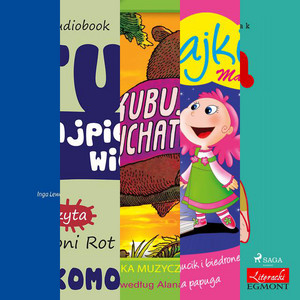
Bajki is a Polish audio genre centered on narrated children’s tales and fairy stories, often interwoven with songs, simple underscoring, and vivid sound effects. It sits at the crossroads of spoken word, radio play, and children’s music, packaging classic and contemporary stories in a concise, family-friendly format.
Typically released on vinyl, cassettes, and later CDs and streaming platforms, bajki recordings feature professional actors as narrators and characters, with clear diction and lively dialogue. Many scripts adapt beloved poems and tales by Polish authors such as Jan Brzechwa and Julian Tuwim, alongside folk and international stories. Educational and moral elements are common, but the tone remains imaginative and playful.
History
The roots of bajki lie in Poland’s long tradition of children’s literature and poetry, which flourished in the late 19th and early 20th centuries. With the rise of radio in the 1920s–1930s, short dramatized stories and readings for children became common, establishing the performance conventions—clear narration, character voices, music cues—that later defined recorded bajki.
The genre crystallized in the 1960s, when labels and radio studios regularly produced stand-alone children’s story records and radio plays. These releases combined professional actors, compact musical numbers, and carefully crafted sound effects. The “story-single” or story-on-a-side format fit the attention span of young listeners and the physical constraints of 7" and 10" records. During this period, adaptations of classic Polish children’s poems and fairy tales became the backbone of the catalogue.
As cassettes and CDs replaced vinyl, bajki migrated easily to the new media. Home listening grew, with parents using portable players and car stereos to introduce children to narrated tales. Production quality rose: fuller arrangements, stereo imaging, and richer foley enhanced immersion while keeping the simple, intelligible vocal focus.
In the streaming age, bajki found a second life as playlists and series, often thematically organized (bedtime stories, seasonal tales, learning). Downloadable and podcast-style formats revived the radio-play lineage, while remastered classics introduced a new generation to the voices and texts of Poland’s literary heritage.
Bajki serve as a bridge between literature and music, nurturing language development and imagination. Their emphasis on clear articulation, rhyme, and song refrains supports early reading and memory. At the same time, the genre preserves national literary traditions by turning canonical poems and folk tales into living, audible theater.