Your digging level
Description
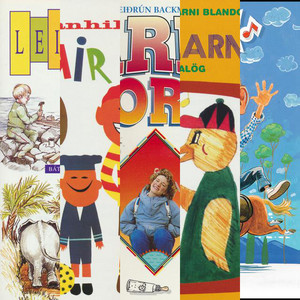
Barnalög (literally “children’s songs” in Icelandic) is the Icelandic tradition of songs written for, and often performed by or with, children.
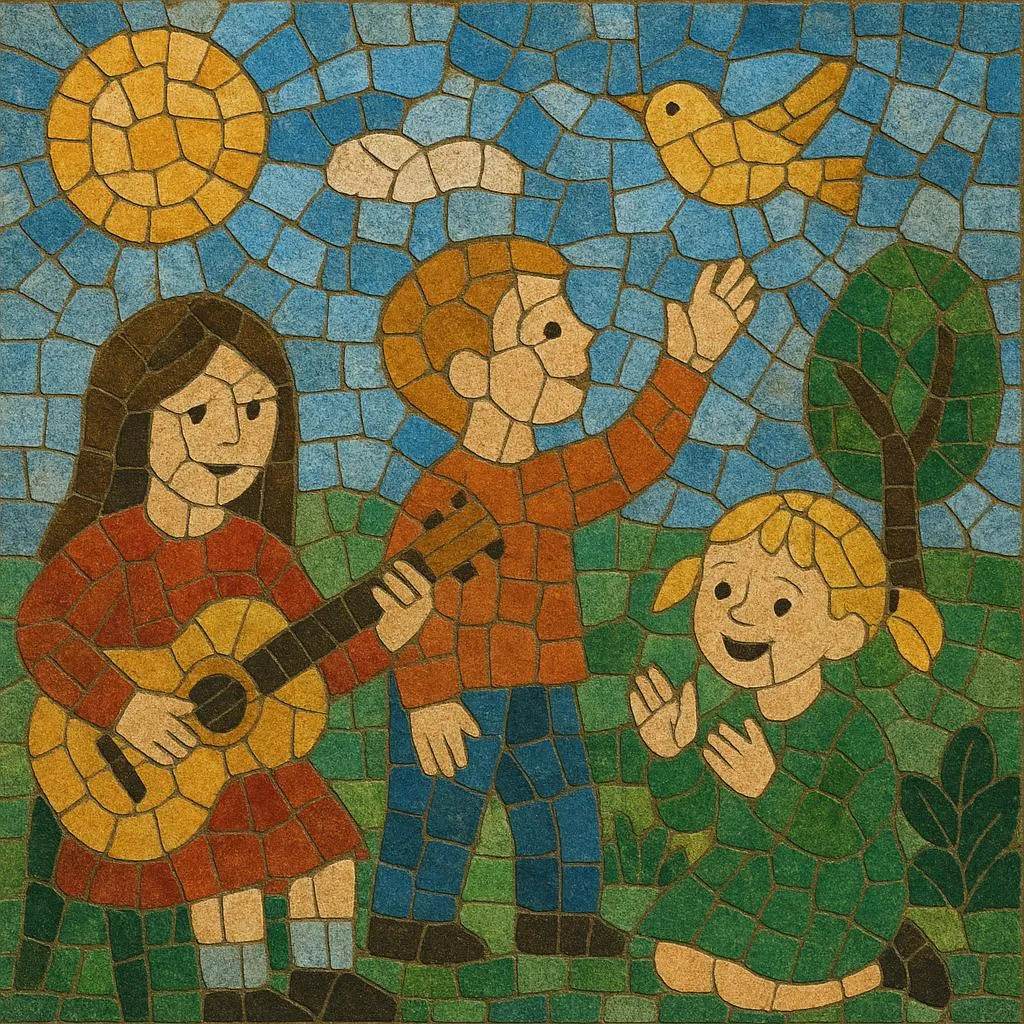
It blends simple, singable pop and folk melodies with Icelandic-language lyrics that emphasize play, imagination, seasons, animals, everyday routines, and social lessons. Arrangements tend to be bright and uncluttered—acoustic guitar, piano, hand percussion, light drums, and small ensembles or children’s choirs—so young voices can lead the tune.
Because much of the repertoire is connected to school music-making, theater, and public broadcasting, barnalög occupies a central place in Icelandic family culture: it’s heard at home, in preschools and primary schools, and in stage and television productions aimed at children.
History
Iceland had long-standing lullabies, play-songs, and school repertoire that children learned at home and in the classroom. These drew broadly on Icelandic folk-poetic devices (rhyme, alliteration, repetitive stanzas) and on simple hymn and folk-song melodies.
With the growth of organized school music, children’s choirs, and public broadcasting, a distinct recorded and staged stream of barnalög emerged. TV and radio shows commissioned original children’s material, while theaters developed Icelandic-language children’s productions whose songs circulated widely in homes and schools. Refrains were designed for easy memorization and call‑and‑response to engage young audiences.
From the 2000s onward, barnalög increasingly intersected with modern pop production: fuller band arrangements, contemporary beats, and polished studio sound—yet still kept child‑friendly keys, ranges, and lyrics. School and church choirs, TV/theater casts, and family-focused festivals continue to replenish the repertoire, ensuring new songs become seasonal and cultural touchstones for Icelandic families.