Your digging level
Description
Cuban rumba (Rumba cubana) is an Afro-Cuban, predominantly percussion-and-voice genre that emerged in the port neighborhoods and solares of Havana and Matanzas in the late 19th century.
It is a social dance-music tradition built on polyrhythmic layering, a five-stroke clave timeline (rumba clave), call-and-response singing, and the improvisatory voice of the lead drum (quinto). Rumba encompasses three principal styles—yambú (slow and flirtatious), guaguancó (medium tempo couple dance featuring the vacunao gesture), and columbia (fast, often in 6/8, traditionally a solo male dance).
Sources: Spotify, Wikipedia, Discogs, Rate Your Music, MusicBrainz, and other online sources
History
Rumba formed in the 1890s among Afro-Cuban working-class communities in Havana and Matanzas. It blended West and Central African rhythmic principles (especially Yoruba and other Afro‑Cuban lineages, including Abakuá and batá-informed aesthetics) with Spanish language and poetic sensibilities. Early ensembles used cajones (wooden boxes) before dedicated conga drums were widely available, alongside claves and cata (guagua) to articulate the timeline.
By the early-to-mid 20th century, rumba’s three main sub-styles crystallized: yambú (the “old people’s rumba,” slower and courtly), guaguancó (a medium-tempo couple dance marked by playful pursuit and the vacunao pelvic or hand gesture), and columbia (a virtuosic, fast solo dance, often in 6/8). The quinto’s improvised phrases converse with dancers and chorus refrains, while the 5-stroke rumba clave governs the ensemble. Groups in Havana and Matanzas—such as Clave y Guaguancó and Los Papines—helped codify repertoire and technique.
Rumba informed the rhythm sections and arranging ideas of son, salsa, Latin jazz, and timba, and inspired related Iberian styles like rumba catalana and rumba flamenca. Iconic rumberos (e.g., Carlos Embale, Celeste Mendoza, and Chano Pozo) bridged circles from barrio patios to international stages, while folkloric ensembles and state companies formalized performance traditions and pedagogy.
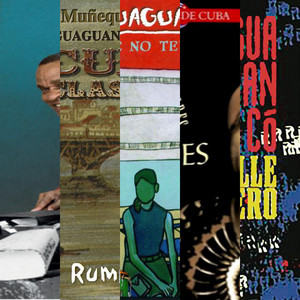
Today, ensembles such as Yoruba Andabo and Los Muñequitos de Matanzas remain standard-bearers, while younger groups (e.g., Osain del Monte) explore modern production and spiritual crossovers. In 2016, Cuban rumba was inscribed on UNESCO’s Representative List of the Intangible Cultural Heritage of Humanity, recognizing its central place in Cuban identity and its ongoing creative vitality.