Your digging level

For this genre
0/8
🏆
Sign in, then listen to this genre to level up

Description

Corridos cristianos are Christian-themed corridos within the broader Regional Mexicano tradition.

They preserve the narrative, ballad-like storytelling of the corrido while replacing outlaw or frontier tales with testimonies of faith, conversion, moral lessons, and biblical narratives.

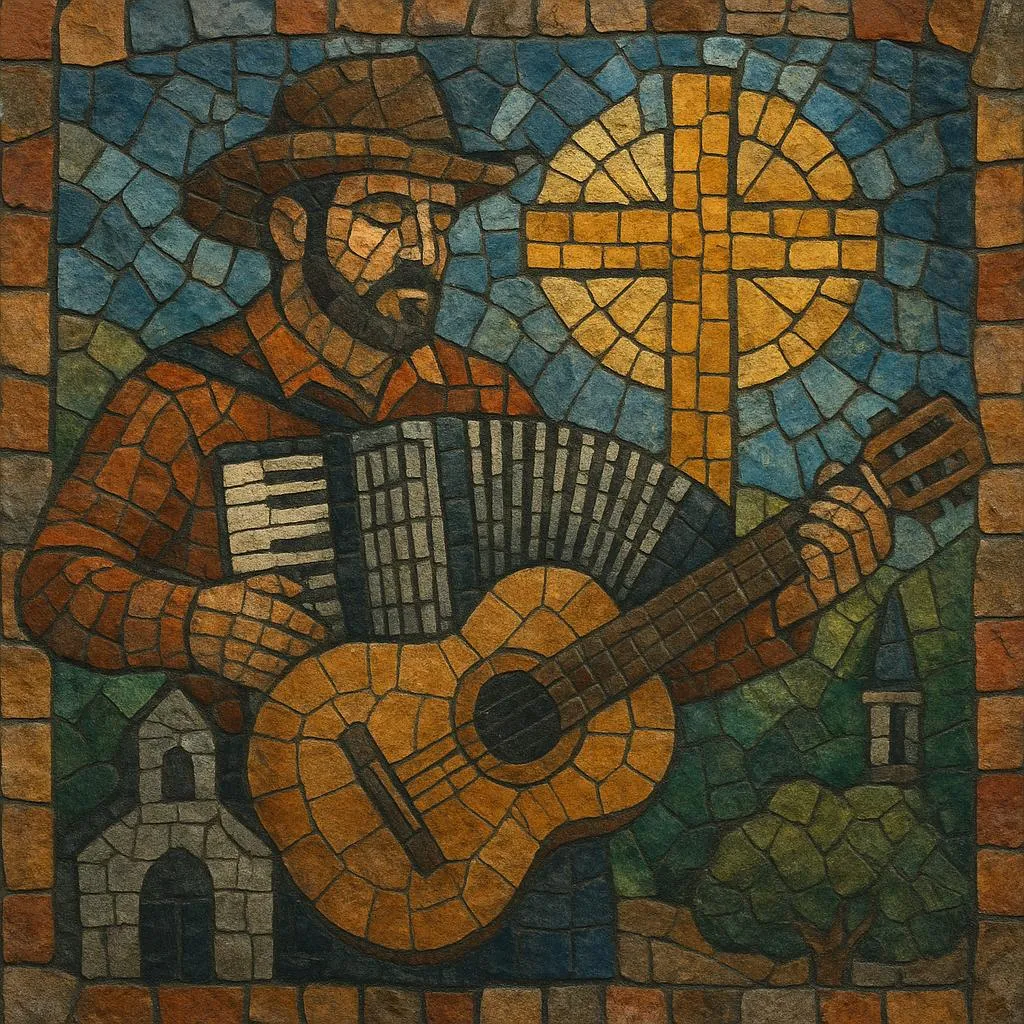
Musically, they draw on the same rhythmic feels and instrumentations as secular corridos—accordion and bajo sexto (norteño), two-guitar textures (sierreño), or full brass sections (banda)—and may also be performed in mariachi formats. Tempos range from mid to brisk two-step polkas and waltzes, with melodies built for memorable refrains that encourage congregational singing. Production spans from raw, live-in-room church recordings to studio-crafted arrangements aimed at radio and streaming.

Lyrically, the genre emphasizes evangelical messages: spiritual struggle and redemption, social exhortation (against addictions or violence), gratitude, and praise to God, often couched in the first person as a testimony. The result is a familiar, danceable regional sound whose content is explicitly devotional.


Sources: Spotify, Wikipedia, Discogs, RYM, MB, user feedback and other online sources

History

Origins (1990s)

Christian corridos emerged as evangelical and Pentecostal congregations across northern and western Mexico (and Mexican–American communities in the U.S.) adopted the corrido’s well-loved narrative format as a vehicle for testimony and outreach. Pastors, lay musicians, and small ensembles began retexting familiar norteño and sierreño grooves with explicitly Christian lyrics, recording cassettes and CDs to circulate within churches and local radio.

Consolidation and Diversification (2000s–2010s)

As Regional Mexicano styles (norteño, banda, sierreño, and mariachi) continued to flourish, Christian artists mirrored these timbral palettes, cultivating parallel repertoires—polka-based corridos of faith, waltz ballads of conversion, and banda-backed praise numbers. Small independent labels and church-based studios helped standardize repertoire and dissemination, while local Christian radio and weekend events spread the style throughout Mexico, the U.S. Southwest, and Central America.

Streaming Era and Scene Visibility (late 2010s–present)

The rise of YouTube, Facebook, and streaming platforms made corridos cristianos more visible beyond church walls. Artists began releasing singles and lyric videos, tapping into broader corrido audiences while distinguishing their message. Live church recordings and regional festival appearances coexist with professionally produced singles; some projects blend modern bass, tighter grooves, and contemporary mix aesthetics while retaining classic corrido structures. The genre now functions both as congregational music and as faith-forward popular song within the Regional Mexicano ecosystem.

How to make a track in this genre

Core Form and Harmony
•   Write in classic corrido structures: narrative verses (often quatrains) with a recurring refrain; strophic forms work well. •   Use diatonic major keys for uplifting messages; occasional relative minor for reflective or testimonial verses. •   Harmonies are simple I–IV–V progressions with secondary dominants; waltz (3/4) and polka/two-step (2/4) feels are standard.
Rhythm and Groove
•   Polka (2/4) with a driving bass and offbeat strums; or waltz (3/4) with a lilt for ballad-like testimonies. •   Keep tempos danceable (≈ 85–115 BPM in 2/4; ≈ 60–90 BPM in 3/4). Use straightforward drum kit or tololoche/hand-percussion in acoustic settings.
Instrumentation and Texture
•   Norteño setup: accordion (melody and fills), bajo sexto (rhythm/harmony), electric/standup bass, light drums. •   Sierreño: two or three guitars (requinto for lead lines), sixth/bajo quinto for rhythm, tololoche or electric bass. •   Banda or mariachi formats: full brass or violins/vihuela/guitarrón with lead vocals; retain corrido phrasing.
Melody and Vocals
•   Craft singable, pentatonic-leaning melodies with clear, high-register hooks for the refrain. •   Lead vocal should be storytelling-forward; add two- or three-part harmonies (thirds/sixths) in choruses for congregational lift.
Lyrics and Message
•   Center the narrative on faith journeys: struggle → repentance → redemption; weave biblical imagery and moral counsel. •   Use accessible, colloquial Spanish; include memorable, affirmational lines in the coro to invite audience participation.
Arrangement and Production
•   Start sparse (voice + guitar/accordion), add fills between vocal lines, and build to a fuller chorus. •   Keep mixes dry-to-moderate reverb for clarity of the message; prioritize intelligible lead vocals. •   For live church settings, emphasize acoustic balance and group singability; for studio singles, tighten rhythm section and add tasteful accordion/requinto hooks.

Top tracks

Locked
Share your favorite track to unlock other users’ top tracks

Upcoming concerts

in this genre
Influenced by
Has influenced
No genres found

Download our mobile app

Get the Melodigging app and start digging for new genres on the go
© 2026 Melodigging
Melodding was created as a tribute to Every Noise at Once, which inspired us to help curious minds keep digging into music's ever-evolving genres.
Buy me a coffee for Melodigging