Your digging level
Description
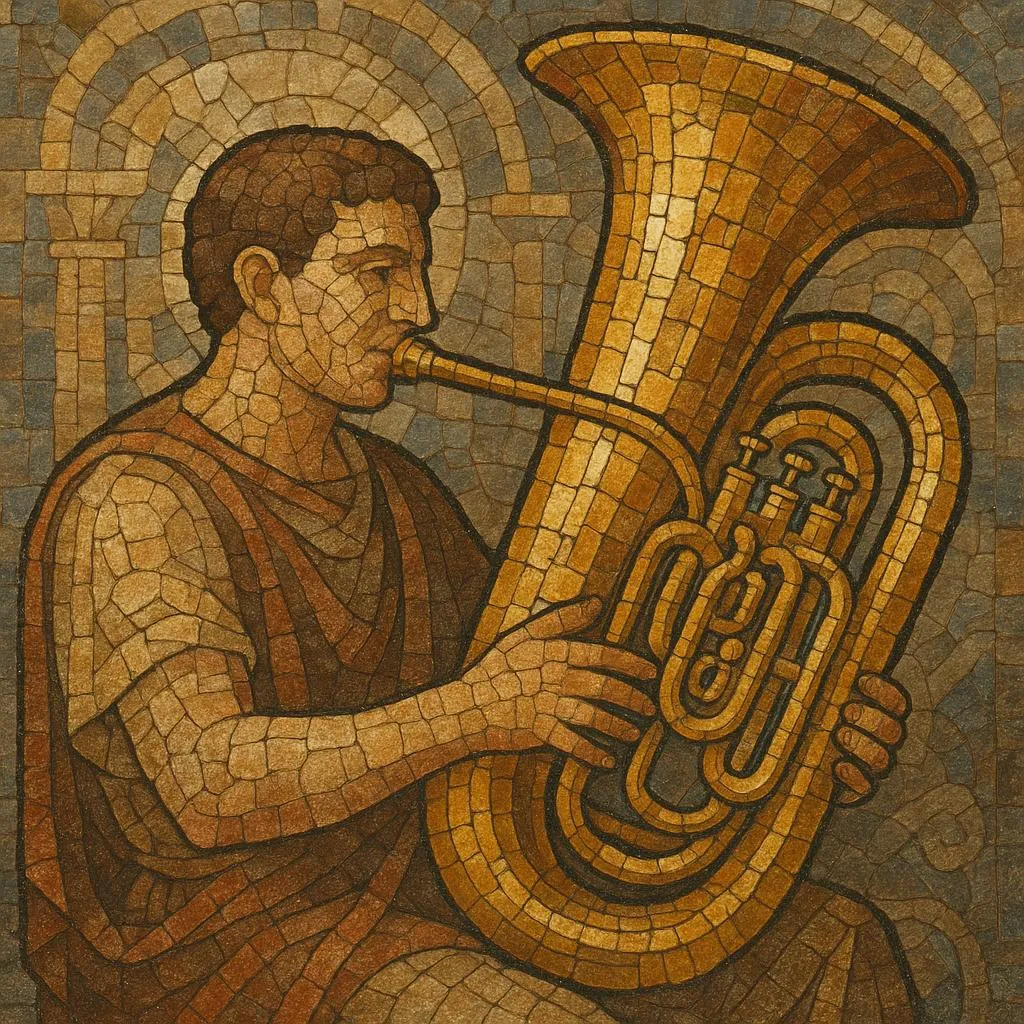
Classical tuba refers to the solo, chamber, and orchestral repertoire for the modern tuba within the Western classical tradition. It highlights the instrument’s breadth: from cavernous pedal tones and noble chorales to lyrical cantabile lines and agile, technically demanding passagework.
Repertoire spans concertos, sonatas with piano, unaccompanied works, brass quintet/ensemble parts, and substantial roles in wind ensembles and symphony orchestras. Stylistically it ranges from late‑Romantic warmth and contrapuntal Baroque transcriptions to mid‑20th‑century neoclassicism and contemporary idioms that exploit extended techniques (multiphonics, flutter‑tongue, valve tremolo, glissandi). The best classical tuba writing balances weight and clarity, foregrounding the instrument’s surprising singing quality and its ability to anchor or color complex textures.
History
The tuba was patented in 1835 in Prussia and quickly replaced the ophicleide as the orchestral bass brass voice. Through the late‑Romantic era it became a foundational color in symphonic and operatic scores and a cornerstone of British brass bands and emerging wind bands. Although virtuoso performers existed, the instrument’s solo identity remained secondary to its ensemble role.
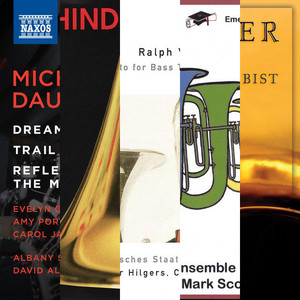
The modern “classical tuba” genre coalesced in the 1950s, when major composers wrote canonical concert and recital works. Landmark pieces such as Ralph Vaughan Williams’s Tuba Concerto (1954) and Paul Hindemith’s Sonata for Tuba and Piano (1955) demonstrated the instrument’s lyrical depth and technical agility, legitimizing it as a solo voice on international stages.
Conservatories and orchestras cultivated dedicated tuba studios and principal chairs, while brass quintets and wind ensembles expanded the literature. Influential performers and pedagogues (notably in the United Kingdom and United States) commissioned concertos, sonatas, and unaccompanied pieces; etudes by Eastern European and Russian composers further standardized modern technique. By the late 20th century, the repertoire encompassed neoclassical works, modernist essays, and sophisticated band/orchestral concerti.
Today the classical tuba repertoire is global and stylistically plural. Composers write with advanced technique and extended range in mind, and tubists routinely commission multimedia works, premiere transcriptions, and program cross‑genre collaborations. International competitions, conferences, and recordings have broadened the audience and affirmed the tuba’s role as both foundation and featured soloist in contemporary classical music.