Your digging level
Description
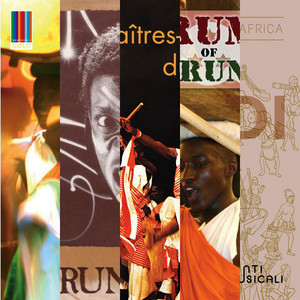
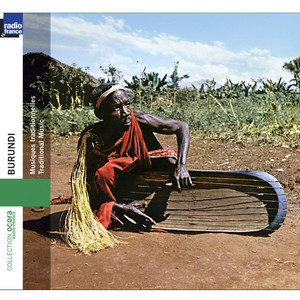
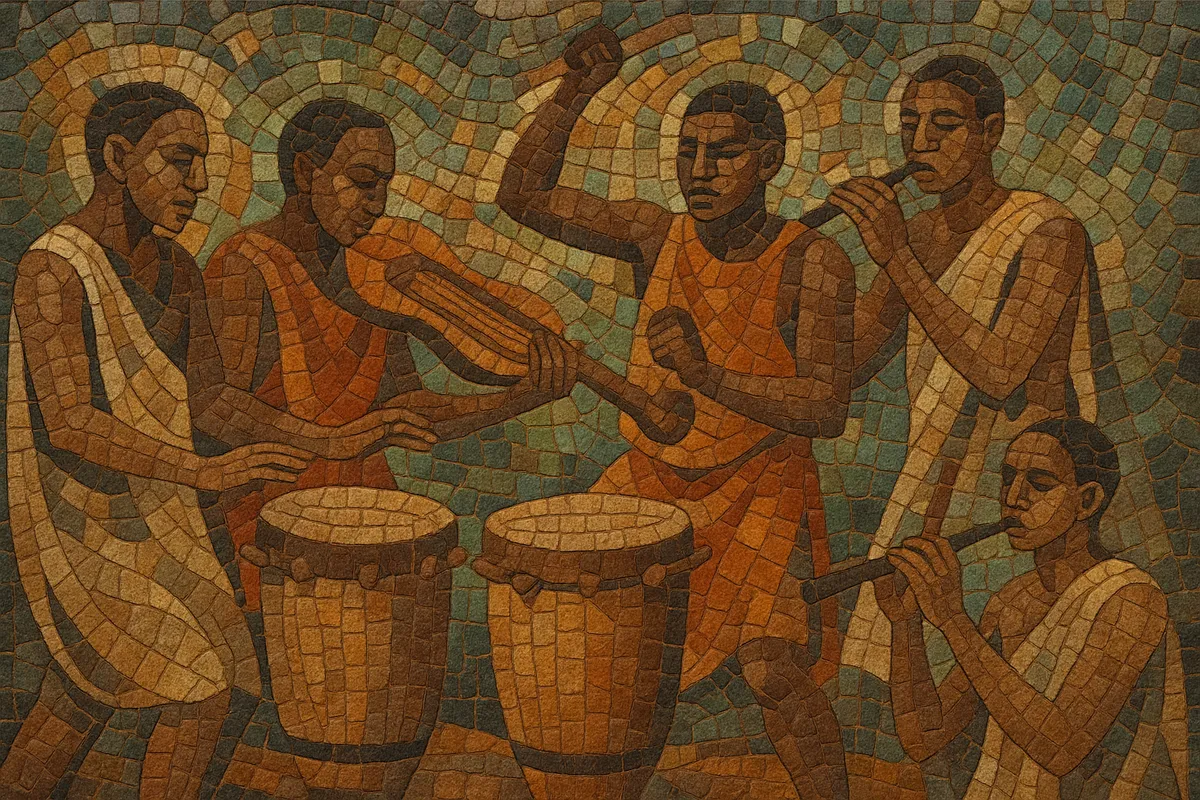
Burundian traditional music centers on the sacred court drumming known as ingoma and on vocal/instrumental traditions such as the inanga trough-zither, lamellophones (ikembe), flutes, and call-and-response song. The best-known emblem is the Royal Drummers of Burundi, whose interlocking drum patterns, athletic choreography, and antiphonal shouts create a powerful, ceremonial sound.
Typical drum ensembles deploy distinct roles: time-keeping parts (amashako), ornamenting parts (ibishikizo), and a lead drum (inkiranya) that cues breaks, accelerations, and dance figures. Rhythms are often in 6/8 or 12/8 with cross-rhythms and 3:2 feels, producing dense polyrhythmic textures. Inanga songs feature plucked ostinatos supporting narrative or praise poetry sung in Kirundi, with melodies that lean on pentatonic or modal frameworks and speech-like phrasing.
Historically tied to kingship, harvest rites, and communal celebrations, the style blends music, dance, and pageantry. It is both a ritual medium and a virtuosic performance art, prized for its collective energy, dramatic dynamics, and deep cultural symbolism.
History
Burundian traditional music developed in pre‑colonial royal courts and hill communities, where ingoma drumming served as a sonic emblem of authority and unity. Drumming ensembles accompanied investitures, harvest festivals, and diplomacy, while inanga bards preserved genealogies, praise poetry, and moral narratives.
During the late 19th and early 20th centuries, missionaries and colonial administrators began describing the tradition, but it remained primarily a living, community practice. The court drumming institutions—organized around sacred drum sanctuaries and hereditary custodians—helped maintain high artistic standards and ceremonial protocol.
From the 1960s onward, the Royal Drummers of Burundi toured internationally and appeared on influential field recordings. Their thunderous polyrhythms and choreographed spectacle captivated world audiences, and samples of Burundian drumming helped inspire the so‑called “Burundi beat” that filtered into certain post‑punk and new wave circles in the late 1970s and early 1980s.
After independence, national ensembles and cultural troupes institutionalized training, while community groups kept local variants alive. Today, drumming and inanga song remain vital to ceremonies, festivals, and cultural education, and they function as a bridge between heritage, contemporary performance, and international collaboration.