Genres
Artists
Albums
Make Music
Sign in
Sign in
Artists
Fantezi
Artists
Fantezi
Yıldız Tilbe
1994–1998
·
4 albums
Listen
4
/5
Genres
Kurdish Remix
Kurdish remix refers to dance‑oriented reworks that fuse Kurdish folk melodies, dance rhythms (often from halay/dîlan traditions), and timbres (saz/tembûr, daf, davul, zurna) with contemporary electronic production—house, techno, trap and related club idioms. The result is a high‑energy, bass‑forward sound that keeps the cyclic, modal character of Kurdish tunes while translating them for clubs, weddings, and social media. The style grew online via SoundCloud/YouTube playlists labelled “Kurdish Trap/Remix” and later entered mainstream DSPs, where dedicated artists and DJ accounts issue steady singles and “modern covers.” Typical tracks loop folkloric vocal lines or saz riffs over 4/4 kicks or half‑time 808s, add build‑ups/drops, and keep a communal, call‑and‑response feel suited to line dances. Instruments such as the tembûr (tanbūr) and frame‑drum daf remain touchstones—even when emulated with synths—while halay’s accelerating, pulse‑driven phrasing informs the groove. The genre sits within a wider West Asian club current that includes dabke‑techno and Turkish/Arab electronic hybrids.
Discover
Listen
Huzunlu Sarkilar
Hüzünlü şarkılar (literally “melancholy/sorrowful songs”) is a contemporary Turkish micro‑scene and streaming tag that gathers slow to mid‑tempo, emotive songs spanning indie, alternative rock, pop ballads, and modern echoes of arabesk. The style is unified less by strict form than by feeling: minor or modal harmony (often with Turkish makam color), intimate vocals, and lyrics steeped in longing (gurbet), heartbreak, and the culturally resonant idea of hüzün. Arrangements typically blend acoustic guitars, piano, soft synth pads, string lines, and occasionally bağlama, with restrained percussion and reverberant spaces. The result is a wistful, atmospheric sound that sits between classic Turkish balladry and modern indie aesthetics.
Discover
Listen
Arabesk
Arabesk is a Turkish popular music style characterized by deeply emotive singing, melodramatic lyrics, and melodies grounded in the makam (modal) tradition. It blends elements of Turkish classical/urban art music, regional folk timbres (especially the bağlama/saz), and lush orchestral arrangements inspired by mid-20th-century Middle Eastern film music. Typical performances feature melisma, expressive vibrato, microtonal inflections, and frequent use of the Hijaz/Phrygian dominant flavor, often at slow-to-mid tempos with prominent strings and acoustic instruments. Lyrical themes revolve around longing (gurbet), fate, heartbreak, social displacement, and moral struggle—reflecting the rural-to-urban migration experience that shaped modern Turkey.
Discover
Listen
Turkish Pop
Turkish pop is the mainstream popular music of Turkey, blending Western pop songcraft and production with Turkish melodic modes (makam), ornamentation, and rhythmic sensibilities. It typically features hook-driven choruses, polished vocals, and danceable beats, while weaving in timbres or phrases from traditional instruments (such as bağlama, kanun, darbuka) and characteristic micro-ornaments. From the 1960s “aranjman” era of Turkish-language covers of Western hits to the 1990s–2000s wave of glossy, Eurodance-tinged radio smashes, Turkish pop has acted as both a mirror of global pop trends and a carrier of local musical identity.
Discover
Listen
Pop
Pop is a broad, hook-driven style of popular music designed for wide appeal. It emphasizes memorable melodies, concise song structures, polished vocals, and production intended for radio, charts, and mass media. While pop continually absorbs elements from other styles, its core remains singable choruses, accessible harmonies, and rhythmic clarity. Typical forms include verse–pre-chorus–chorus, frequent use of bridges and middle-eights, and ear-catching intros and outros. Pop is not defined by a single instrumentation. It flexibly incorporates acoustic and electric instruments, drum machines, synthesizers, and increasingly digital production techniques, always in service of the song and the hook.
Discover
Listen
Fantezi
Fantezi is a Turkish vocal genre that blends the modal world of Turkish Classical (Türk Sanat Müziği) and the melodic contours of Turkish Folk Music (Türk Halk Müziği) with the accessibility and production values of popular music. Emerging in the early Republican era and most associated with the period from the 1920s through the 1980s, fantezi pieces are typically sectional and free in design: different parts can shift tempo (usul) and character, moving between lyrical passages and more rhythmic, dance-inflected sections. Melodically they draw on makam (modes) such as Hicaz, Hüzzam, Nihavend, and Uşşak, but are delivered in a more commercial, urban and unorthodox fashion than strictly classical works. In practice, fantezi foregrounds ornate vocalism—melisma, microtonal inflections (commas), and expressive rubato—over lush arrangements for oud, bağlama, violin, kanun, clarinet, darbuka/def, and later keyboards, electric bass, and drum set. The result is a sentimental, urbane sound that connects art music tradition, folk idioms, and mass-market pop.
Discover
Listen
Albums
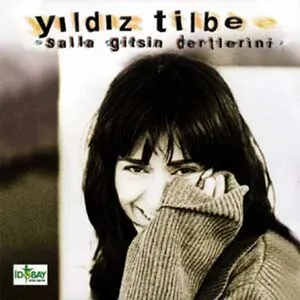
1998
3
/5
Salla Gitsin Dertlerini
Yıldız Tilbe
Fantezi
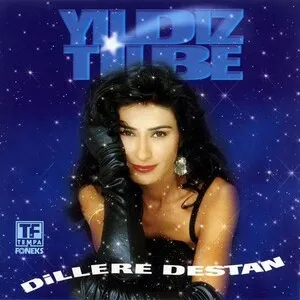
1995
3
/5
Dillere Destan
Yıldız Tilbe
Fantezi
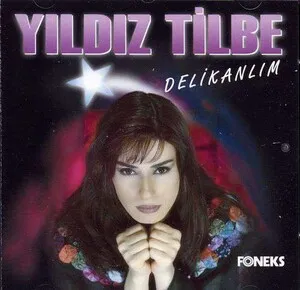
1994
4
/5
Delikanlım
Yıldız Tilbe
Fantezi
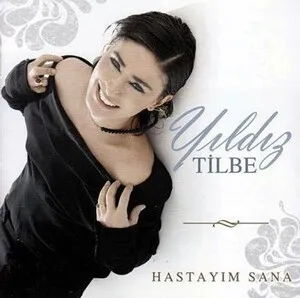
Hastayım Sana
Yıldız Tilbe
Fantezi
Similar artists
3
/5
Ceylan
Fantezi
Arabesk
Kurdish Remix
3
/5
Alişan
Oyun Havasi
Arabesk
Kurdish Remix
4
/5
Sezen Aksu
Turkish Pop
Oyun Havasi
Pop
4
/5
Ahmet Kaya
Özgün Müzik
Arabesk
Anatolian Rock
4
/5
Ebru Gündeş
Fantezi
Arabesk
Modern Downshift
4
/5
Sibel Can
Fantezi
Arabesk
Turkish Pop
3
/5
Bülent Ersoy
Arabesk
Fantezi
Turkish Pop
4
/5
Semicenk
Arabesk
Turkish Pop
Turkish Hip Hop
4
/5
İbrahim Tatlıses
Arabesk
Kurdish Remix
Oyun Havasi
4
/5
Burak Bulut
Arabesk
Kurdish Remix
Turkish Pop
Download our mobile app
Get the Melodigging app and start digging for new genres on the go
Download on the App Store
Get it on Google Play
© 2026 Melodigging
Give feedback
Legal
Melodding was created as a tribute to
Every Noise at Once
, which inspired us to help curious minds keep digging into music's ever-evolving genres.