Genres
Artists
Albums
Make Music
Sign in
Sign in
Artists
Pop Edm
Artists
Pop Edm
WRABEL
2017
·
1 album
Listen
3
/5
Genres
Future Rave
Future rave is an electronic dance music style popularized by David Guetta and MORTEN that fuses the dark, muscular drive of techno with the euphoric tension-and-release of trance and the festival scale of big room house. It typically sits around 126–130 BPM, uses minor-key progressions, saturated supersaw leads, reese/rolling basslines, chunky offbeat stabs, and cinematic build-ups. The sonic palette favors gritty, modern sound design (distorted yet controlled), 909/modern drum kits, and atmospheric FX that enhance a nocturnal, high-stakes mood. Unlike brighter, pop-facing EDM, future rave keeps a moody, industrial sheen while still delivering emotional, hands-in-the-air breakdowns and anthemic toplines.
Discover
Listen
Pop Edm
Pop EDM (often written as pop-EDM) is a crossover style that fuses the song-centric writing, hooks, and structure of mainstream pop with the sound design, drops, and production techniques of modern electronic dance music. It typically features verse–pre‑chorus–chorus forms, radio-friendly toplines, and polished vocals, but replaces a traditional instrumental chorus with an EDM-style drop built from synth leads, vocal chops, or rhythmic bass. Tempos commonly range from 100–128 BPM, with harmonic language that favors diatonic, feel‑good progressions and bright, euphoric timbres. Commercially oriented and festival‑compatible, pop EDM is designed to work on both radio/streaming and the dancefloor, prioritizing memorable hooks, high-impact drops, and a glossy, sidechained mix.
Discover
Listen
Tropical House
Tropical house is a mellow, melodic offshoot of deep house that blends a four-on-the-floor pulse with sun-soaked timbres like steel drums, marimba, pan flute, and warm acoustic guitar. It typically runs around 100–115 BPM, favors major-key progressions, and foregrounds breezy hooks over heavy drops, making it feel more like a summer pop record than a club banger. Vocals often carry romantic, nostalgic, or escapist themes—beaches, sunsets, and travel—while the production emphasizes soft percussion, sidechained pads, and a smooth, rolling sub. The genre rose to global prominence mid-2010s through hit remixes and crossover singles that brought house aesthetics into mainstream pop radio.
Discover
Listen
Big Room House
Big room house is a festival-focused strain of EDM built for massive sound systems and outdoor main stages. It typically runs around 126–132 BPM (most commonly 128), uses four-on-the-floor kick patterns, and features huge, simple lead riffs designed to be instantly memorable to large crowds. A defining trait is the contrast between cinematic, reverb-washed breakdowns and ultra-dry, percussive drops driven by a powerful kick, sub, and a few bold supersaw or horn-like synth stabs. Arrangements lean on dramatic builds with snare rolls, risers, and crowd-hyping vocal chops, culminating in drops that emphasize impact over harmonic complexity.
Discover
Listen
Alt Z
Alt Z is a streaming-era microgenre of alternative pop associated with Gen Z aesthetics: intimate vocals, moody atmospheres, and glossy-yet-lo-fi electronic production. It fuses indie pop songwriting with electropop sheen, bedroom-pop intimacy, and soft trap/hip-hop inflected drums. The result is a polished but personal sound—breathy leads, subtle harmonies, textural synths, 808-style low end, and restrained guitar or piano motifs. Lyrically, Alt Z tends to be introspective and diaristic, dealing with anxiety, identity, romance, and internet-age coming-of-age themes. It is less about scene-based bands and more about internet-native artists whose careers grew through playlists, algorithms, and social platforms.
Discover
Listen
Deep Deep Tech House
Deep deep tech house is a particularly stripped‑back, hypnotic strain of tech house that leans heavily into deep house harmony and minimal, dub‑tinged textures. It keeps the 4/4 groove and club functionality of house while favoring restrained arrangements, long tension arcs, and subtle sound‑design over big breakdowns. Typical tempos sit around 120–126 BPM; drums emphasize tight 909‑style hats and crisp, short kicks; basslines are warm, rolling subs that lock with lightly swung percussion; harmonic content tends to be sparse—muted chord stabs, airy pads, and occasional soulful vocal fragments used as texture rather than focal hooks. The overall aim is an immersive “head‑down” flow that rewards long blends and extended sets. The palette and structure trace back to tech house’s fusion of house and techno and to deep house’s smoother harmonies.
Discover
Listen
Focus Trance
Focus trance is a modern, low‑drama branch of trance tailored for concentration, study, coding, and deep work. It borrows trance’s hypnotic pulse and long-form structure, but softens the edges: fewer big drops, restrained builds, minimal vocals, and a narrow dynamic range that lets listeners sink into a steady flow state. Sonically, it tends to sit between ambient trance and progressive trance: warm pads, subtly modulated arps, muted kicks and basslines that groove without dominating, and gently evolving textures. Most tracks avoid abrupt transitions, extreme high‑frequency content, or dense mid‑range clutter, making them ideal as a musical backdrop that sustains attention over long sessions.
Discover
Listen
Popwave
Popwave is a song‑forward branch of synthwave that fuses glossy 1980s pop aesthetics with contemporary electronic production. Where classic synthwave often favors instrumental, cinematic moods, popwave puts vocals and hooks at the center: big choruses, radio‑ready structures, and emotive lyrics about youth, night drives, neon‑lit romance, and bittersweet nostalgia. Sonically it leans on analog‑styled polysynths, driving eighth‑note basslines, gated‑reverb drums, shimmering guitars, and frequent sax or lead‑guitar cameos—yet it’s mixed and mastered to modern pop standards. The result is a style that feels simultaneously retro and current: the color and optimism of 80s chart pop, filtered through the songwriting discipline of today’s electropop and the sound design DNA of synthwave.
Discover
Listen
Progressive Electro House
Progressive electro house is a festival‑ready hybrid that marries the long, melodic builds and emotive chord progressions of progressive house with the gritty basslines, saw‑lead stabs, and syncopated drops of electro house. Tracks typically run around 126–130 BPM in 4/4, featuring wide supersaw stacks, side‑chained pads, and bright, anthemic toplines that crescendo into aggressive, electro‑flavored drops. The style thrived during the early 2010s EDM boom, with Dutch and Scandinavian producers pushing a sound designed for big‑room and main‑stage impact. Production aesthetics favor layered synth leads (Serum, Sylenth1, Massive), tight festival kicks, off‑beat open hats, sweeping risers, and snare‑roll builds, while arrangements spotlight tension‑and‑release between harmonic, euphoric breakdowns and powerful, synth‑driven drops.
Discover
Listen
Edm
EDM (Electronic Dance Music) refers to the mainstream, festival-oriented wave of electronic dance styles that rose to global prominence in the early 2010s. It emphasizes high-energy drops, ear-catching toplines, and crowd-pleasing arrangements designed for large stages and mass audiences. Musically, EDM typically sits around 124–130 BPM with a strong four-on-the-floor kick, wide supersaw leads, bright plucks, and heavily sidechained pads and basses for a pumping feel. Tracks are structured around tension-and-release: intros and builds lead to explosive drops, followed by breakdowns that rebuild energy. Vocals and pop-style songwriting frequently appear, enabling crossover success on radio and streaming platforms.
Discover
Listen
Indie Poptimism
Indie poptimism is a pop-leaning strain of indie music that embraces the craft, hooks, and sheen of mainstream pop while retaining indie values like personal songwriting, alternative aesthetics, and scene-based discovery. The style typically features bright, concise song structures, melodic choruses, and accessible production (often drawing from synth-pop, dance-pop, and contemporary R&B), but is framed within indie album culture, blogs, tastemakers, and later streaming-era playlists. In practice, indie poptimism is less a single sound than a shared attitude: treating pop as something to celebrate and borrow from (rather than reject), while keeping an indie sensibility in lyrics, performance, and community.
Discover
Listen
Pop
Pop is a broad, hook-driven style of popular music designed for wide appeal. It emphasizes memorable melodies, concise song structures, polished vocals, and production intended for radio, charts, and mass media. While pop continually absorbs elements from other styles, its core remains singable choruses, accessible harmonies, and rhythmic clarity. Typical forms include verse–pre-chorus–chorus, frequent use of bridges and middle-eights, and ear-catching intros and outros. Pop is not defined by a single instrumentation. It flexibly incorporates acoustic and electric instruments, drum machines, synthesizers, and increasingly digital production techniques, always in service of the song and the hook.
Discover
Listen
Show all 12 genres
Albums
2017
3
/5
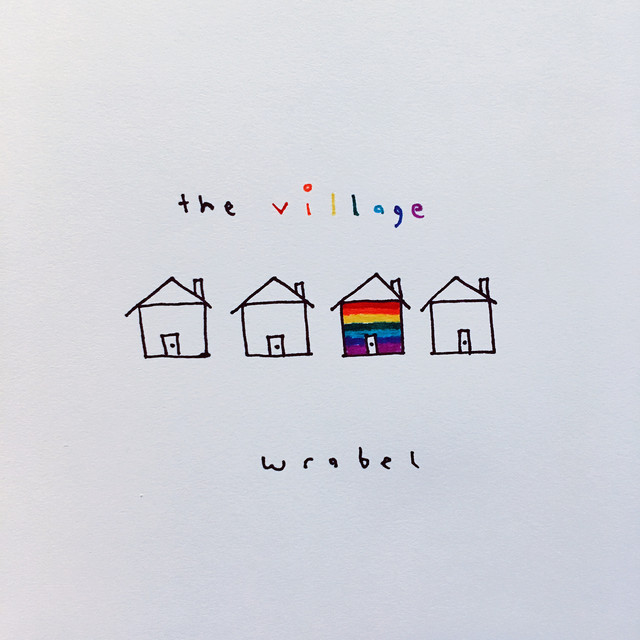
The Village
Wrabel
Indie Poptimism
Similar artists
5
/5
Avicii
Dance-Pop
Electronic
Tropical House
5
/5
The Weeknd
Contemporary R&b
Alternative R&b
Pop
5
/5
Rihanna
Barbadian Pop
Contemporary R&b
Electronic
5
/5
Justin Bieber
Pop
Contemporary R&b
Dance-Pop
5
/5
David Guetta
Dance
Electronic
House
5
/5
Coldplay
Rock
Permanent Wave
Alternative Rock
5
/5
Dua Lipa
Pop
Dance-Pop
Boyfriend Country
5
/5
Ed Sheeran
Soft Pop
Pop
Folk Pop
5
/5
Calvin Harris
Electro House
Progressive House
Electronic
5
/5
Tate McRae
Pop
Sped-Up Music
Slap House
Download our mobile app
Get the Melodigging app and start digging for new genres on the go
Download on the App Store
Get it on Google Play
© 2026 Melodigging
Give feedback
Legal
Melodding was created as a tribute to
Every Noise at Once
, which inspired us to help curious minds keep digging into music's ever-evolving genres.