Genres
Artists
Albums
Make Music
Sign in
Sign in
Artists
Baroque
Artists
Baroque
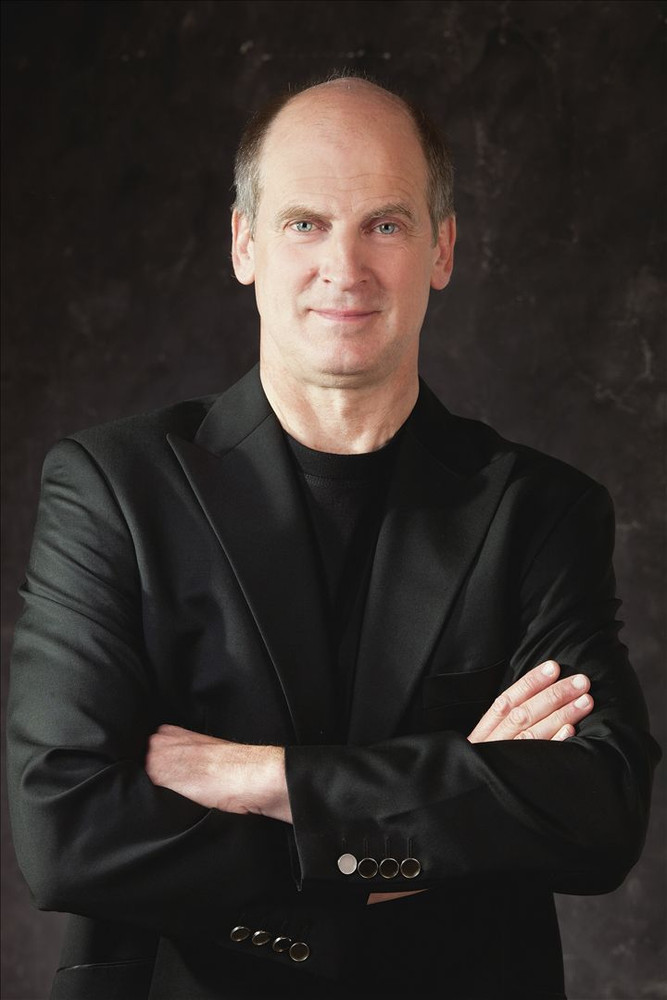
Werner Ehrhardt
2004–2019
·
2 albums
Listen
3
/5
Genres
Early Romantic Era
The Early Romantic era in Western art music marks the first decades of the 19th century when composers began to push beyond Classical restraint toward heightened personal expression, vivid musical storytelling, and new harmonic color. Characteristic features include singing, memorable melodies; richer harmonic palettes with modal mixture, chromatic inflection, and bold mediant shifts; flexible forms that privilege expressive arc over strict symmetry; and expanding orchestral colors, especially in winds and brass. New poetic, picturesque, or literary ideas often shape musical form (especially in songs and overtures), and virtuosity rises to the foreground in solo piano and violin music. Genres such as the Lied, character piece for piano, and Romantic opera take definitive shape in this period, while symphony and concerto adopt a more dramatic, narrative impulse.
Discover
Listen
Concerto
A concerto is a large-scale composition that sets one or more solo instruments in dynamic dialogue with an orchestra. Its core idea is contrast—between soloist and tutti—and the dramatic negotiation of power, color, and thematic responsibility. While Baroque concertos often relied on ritornello form, the Classical era standardized a three-movement plan (fast–slow–fast) with sonata principles in the opening movement. The Romantic period emphasized virtuosity and expressive foregrounding of the soloist, and the 20th–21st centuries broadened the palette with new instruments, harmonies, and formats. Across eras, the concerto remains a showcase for instrumental character, technical brilliance, and the art of orchestral conversation.
Discover
Listen
Classical Oboe
Classical oboe refers to Western art‑music written for, or prominently featuring, the oboe and its close relatives (oboe d’amore, English horn/cor anglais). Emerging from the Baroque era after the shawm evolved into the hautbois in France, the oboe became a primary color in orchestral, chamber, and concerto settings. Its timbre is penetrating yet lyrical—capable of pastoral sweetness and plaintive melancholy—and it often carries cantabile melodies in symphonies, concertos, sonatas, and chamber works. The repertoire spans solo concertos and sonatas, obbligato arias in opera and sacred music, woodwind quintets, and modern solo/ensemble works, with idioms and techniques that changed across Baroque, Classical, Romantic, and contemporary styles.
Discover
Listen
Baroque
Baroque is a period and style of Western art music spanning roughly 1600–1750. It is characterized by the birth of functional tonality, the widespread use of basso continuo (figured bass), and a love of contrast—between soloist and ensemble, loud and soft, and different timbres. Hallmark genres and forms of the era include opera, cantata, oratorio, concerto (especially the concerto grosso), dance suite, sonata, and fugue. Textures range from expressive monody to intricate counterpoint, and melodies are richly ornamented with trills, mordents, and appoggiaturas. Baroque music flourished in churches, courts, and theaters across Europe, with regional styles (Italian, French, German, English) shaping distinctive approaches to rhythm, dance, harmony, and ornamentation.
Discover
Listen
Requiem
A requiem is a musical setting of the Roman Catholic Mass for the Dead (Missa pro defunctis). Historically rooted in Latin liturgy, it sets movements such as the Introit, Kyrie, (historically) the Sequence Dies irae, Offertory, Sanctus, Agnus Dei, and Communion, and often includes additional responsories like Libera me and In paradisum. While the earliest requiems were monophonic chants, the genre became a showcase for polyphonic and later symphonic choral writing. Renaissance composers wrote austere, modal settings; Classical and Romantic composers expanded the forces and dramatic scope; and 20th–21st century composers reimagined the form with new languages, from neo-modal and impressionistic harmonies to avant‑garde sonorities. Today, requiems appear both in liturgy and as concert works, symbolizing collective mourning, remembrance, and spiritual reflection.
Discover
Listen
Classical
Classical music is the notated art-music tradition of Europe and its global descendants, characterized by durable forms, carefully codified harmony and counterpoint, and a literate score-based practice. The term “classical” can refer broadly to the entire Western art-music lineage from the Medieval era to today, not just the Classical period (c. 1750s–1820s). It privileges long-form structures (such as symphonies, sonatas, concertos, masses, and operas), functional or modal harmony, thematic development, and timbral nuance across ensembles ranging from solo instruments to full orchestras and choirs. Across centuries, the style evolved from chant and modal polyphony to tonal harmony, and later to post-tonal idioms, while maintaining a shared emphasis on written notation, performance practice, and craft.
Discover
Listen
Albums
2019
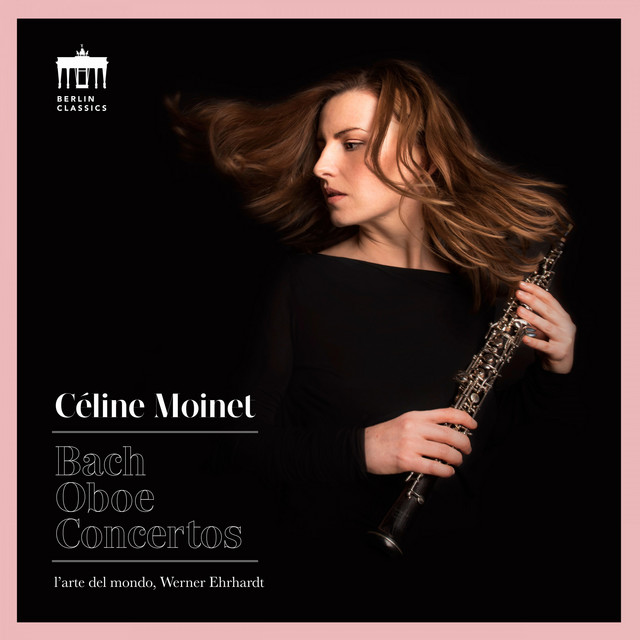
Bach: Oboe Concertos
Johann Sebastian Bach, Céline Moinet, L'Arte del mondo, Werner Ehrhardt
Classical Oboe
2004
Wilms: Symphonies Nos. 6 & 7
Johann Wilhelm Wilms, Concerto Köln, Werner Ehrhardt
Early Romantic Era
Similar artists
4
/5
Academy of St. Martin in the Fields
Baroque
Classical
Classical Performance
3
/5
Academy of Ancient Music
Classical
Concerto
Baroque
3
/5
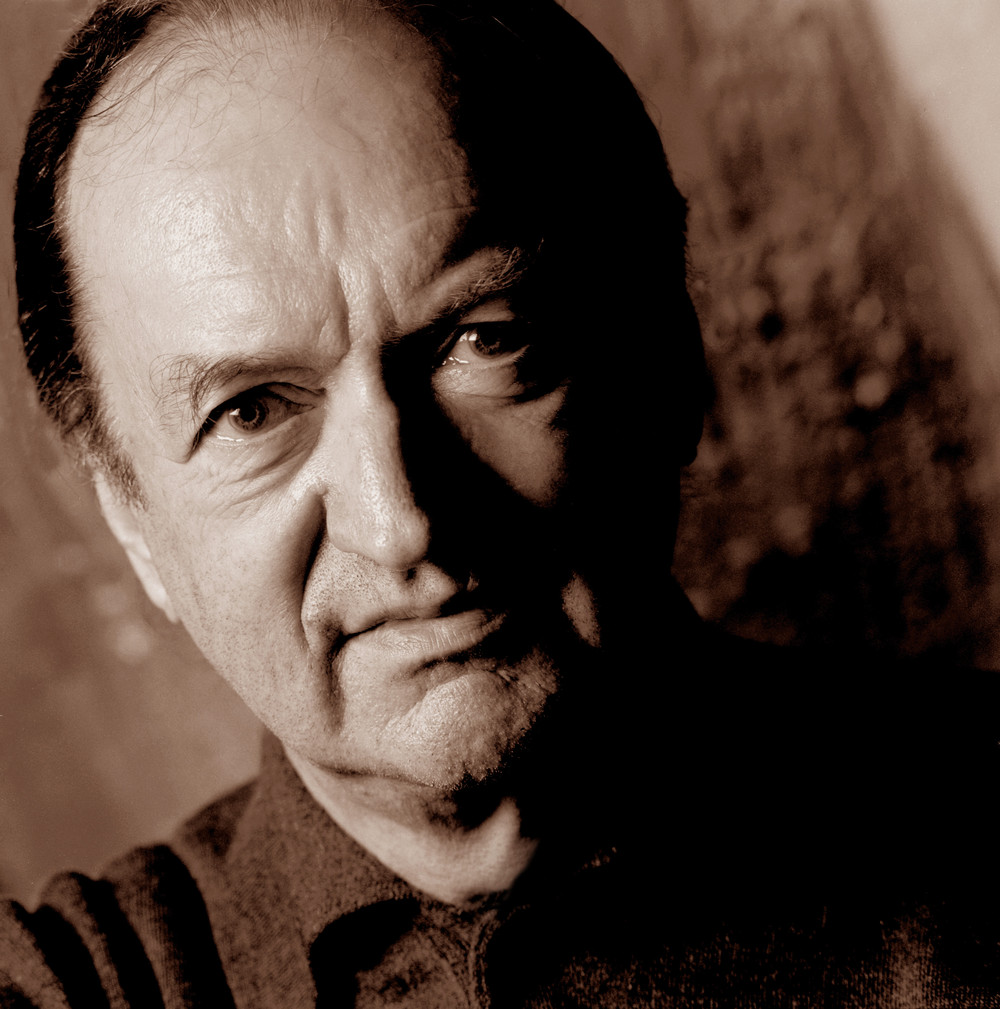
Nikolaus Harnoncourt
Baroque
Classical
Opera
3
/5
Akademie für Alte Musik Berlin
Baroque
Classical
Opera
3
/5
Orchestra of the Age of Enlightenment
Baroque
Classical
Concerto
3
/5
Diego Fasolis
Baroque
Choral
Classical
3
/5
Helmuth Rilling
Baroque
Choral
Classical
2
/5
Franz Liszt Chamber Orchestra
Classical
Baroque
Concerto
2
/5
Paul Dombrecht
Baroque
Chamber Music
Classical
2
/5
Les Violons du Roy
Baroque
Chamber Music
Classical
Download our mobile app
Get the Melodigging app and start digging for new genres on the go
Download on the App Store
Get it on Google Play
© 2026 Melodigging
Give feedback
Legal
Melodding was created as a tribute to
Every Noise at Once
, which inspired us to help curious minds keep digging into music's ever-evolving genres.