Genres
Artists
Albums
Make Music
Sign in
Sign in
Artists
Cyber Metal
Artists
Cyber Metal
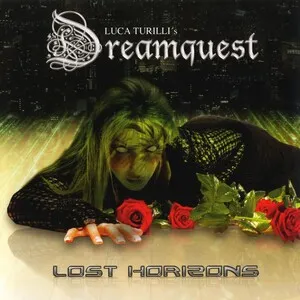
Turilli, Luca, Dreamquest
2006
·
1 album
Listen
Genres
Cyber Metal
Cyber metal is a subgenre of industrial metal that fuses heavy, syncopated modern metal riffing with the machine‑like pulse and sound design of EBM and aggrotech. Compared with early industrial metal, it tends to be more melodic and less loop‑repetitive, while keeping harsh vocals, tightly quantized drums, and dense layers of synthesizers, samplers, and sequencers. Aesthetically it leans on cyberpunk and transhumanist themes: dystopian futures, artificial intelligence, spacefaring warfare, and human–machine hybrids. Sonically you can expect palm‑muted 7/8‑string guitars, four‑on‑the‑floor passages lifted from club music, trance‑style arpeggios, cinematic pads, and mechanical sound effects (gates, bit‑crush, glitch fills) rendered with high‑gain, polished production.
Discover
Listen
Gothic Metal
Gothic metal is a fusion of the heaviness and slow, atmospheric pull of doom metal with the dark romanticism and melodrama of gothic rock. It emphasizes minor-key harmony, thick guitar textures, and prominent keyboards or orchestral pads to create a brooding, cinematic mood. Vocals range from deep baritone croons and clean female sopranos to harsh growls—sometimes used together in the "beauty-and-the-beast" style. Lyrical themes often explore love and loss, mortality, melancholy, myth, and the supernatural, presented with a sense of theatricality. While centered in metal, the style borrows from dark wave’s somber synths and gothic rock’s atmosphere, leading to variations that lean toward doom, symphonic, or even alternative-leaning approaches.
Discover
Listen
Symphonic Metal
Symphonic metal fuses the power and riff-driven weight of heavy metal with the grandeur of orchestral music, choral writing, and operatic vocals. It often features full-scale symphonic arrangements—either via live orchestras and choirs or through sophisticated sampling—alongside distorted guitars, bass, and double-kick drumming. Hallmarks include cinematic songwriting, classical harmony (minor keys, modal colors, counterpoint), sweeping string ostinati, brass fanfares, and layered choirs. Vocal approaches range from operatic soprano leads to melodic rock vocals and occasional harsh growls. Lyrically, the genre leans toward myth, fantasy, history, philosophy, and romantic or existential themes, delivering an epic, theatrical atmosphere.
Discover
Listen
Heavy Metal
Heavy metal is a loud, guitar-driven style of rock defined by heavily distorted riffs, thunderous drums, and powerful vocals. Its musical language emphasizes minor modes, modal (Aeolian, Phrygian) riffing, and energy over groove, often featuring virtuosic guitar solos and dramatic dynamic contrasts. Emerging from late-1960s blues rock and psychedelic experimentation, heavy metal codified a darker, heavier sound with bands like Black Sabbath, Deep Purple, and Led Zeppelin. The genre values weight, intensity, and grandeur—whether through plodding, doom-laden tempos or galloping, high-energy rhythms—paired with themes that range from personal struggle and social critique to fantasy, mythology, and the occult.
Discover
Listen
Symphonic Rock
Symphonic rock is a style of rock that integrates orchestral instrumentation, classical forms, and large‑scale arrangements into the core sound of a rock band. Typical timbres include strings, brass, woodwinds, choir, mellotron, Hammond organ, piano, and analog synthesizers supporting guitars, bass, and drums. The genre emphasizes grand, cinematic dynamics, thematic development, and harmonic richness drawn from Western classical music, while retaining the energy and songcraft of rock. It often overlaps with progressive rock, but places a particular focus on lush orchestration, romantic melodicism, and overtly symphonic textures—ranging from studio overdubs and mellotron layers to fully scored collaborations with symphony orchestras.
Discover
Listen
Rock
Rock is a broad family of popular music centered on amplified instruments, a strong backbeat, and song forms that foreground riffs, choruses, and anthemic hooks. Emerging from mid‑20th‑century American styles like rhythm & blues, country, and gospel-inflected rock and roll, rock quickly expanded in scope—absorbing folk, blues, and psychedelic ideas—while shaping global youth culture. Core sonic markers include electric guitar (often overdriven), electric bass, drum kit emphasizing beats 2 and 4, and emotive lead vocals. Rock songs commonly use verse–chorus structures, blues-derived harmony, and memorable melodic motifs, ranging from intimate ballads to high‑energy, stadium‑sized performances.
Discover
Listen
Albums
2006
2
/5
Lost Horizons
Luca Turilli's Dreamquest
Cyber Metal
Heavy Metal
Rock
Similar artists
4
/5
Nightwish
Fantasy Metal
Opera Metal
Power Metal
3
/5
ANGRA
Power Metal
Progressive Power Metal
Progressive Metal
3
/5
Avantasia
Fantasy Metal
Opera Metal
Symphonic Metal
3
/5
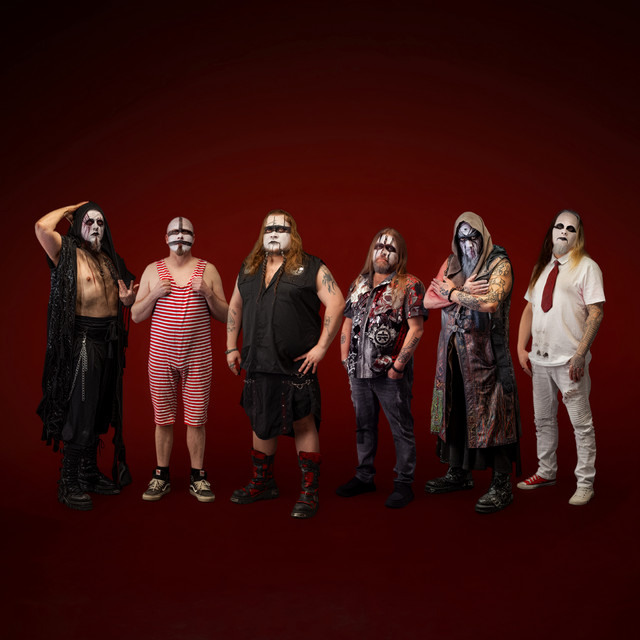
Turmion Kätilöt
Cyber Metal
Industrial Metal
Electronic
3
/5
Trans-Siberian Orchestra
Christmas Music
Symphonic Rock
Rock
3
/5
MASTER BOOT RECORD
Synthwave
Darksynth
Cyber Metal
2
/5
Sybreed
Cyber Metal
Industrial
Industrial Metal
2
/5
Tuomas Holopainen
Finnish Pop
Iskelmä
Symphonic Metal
2 Times Terror
Cyber Metal
Heavy Metal
Industrial
4
/5
Type O Negative
Gothic Metal
Doom Metal
Gothic Rock
Download our mobile app
Get the Melodigging app and start digging for new genres on the go
Download on the App Store
Get it on Google Play
© 2026 Melodigging
Give feedback
Legal
Melodding was created as a tribute to
Every Noise at Once
, which inspired us to help curious minds keep digging into music's ever-evolving genres.