Genres
Artists
Albums
Make Music
Sign in
Sign in
Artists
Melodic Rap
Artists
Melodic Rap
Trevor Daniel
2018
·
1 album
Listen
4
/5
Genres
Sexy Drill
Sexy drill is a contemporary offshoot of drill that blends the genre’s signature sliding 808s, icy textures, and syncopated hi-hats with flirtatious, romantic, and often explicitly sensual lyrics. Where traditional drill leans into menace and street reportage, sexy drill softens the edges with melodic hooks, R&B-inflected toplines, and playful, self-assured delivery. The result is a club-ready, fashion-forward sound that keeps the rhythmic bite of UK/NY drill but swaps violent imagery for confident seduction and intimate narratives. Production typically sits around 138–145 BPM with gliding bass, chopped vocal stabs, airy pads, and bright percussive details. Vocals may alternate between rapped verses and sung refrains, frequently enhanced by tasteful Auto-Tune and ad‑libs that heighten the sultry mood.
Discover
Listen
Melodic Rap
Melodic rap is a style of hip hop that prioritizes sung or sing‑rap cadences, tuneful hooks, and emotive toplines over strictly percussive flows. It blends trap‑based drum programming and 808 sub‑bass with pop‑leaning melodies, R&B harmonies, and heavy use of Auto‑Tune as an expressive effect rather than mere pitch correction. Themes often address love, heartbreak, aspiration, loneliness, and personal struggle, delivered with catchy refrains designed for streaming‑era replayability.
Discover
Listen
Aussie Drill
Aussie drill is the Australian take on drill rap, fusing the dark, minor‑key production and sliding 808s of UK drill with local slang, Pacific Islander and Western Sydney street culture, and distinctly Australian accents. Typical tracks sit around 135–145 BPM, with syncopated hi‑hats, counter‑snares, and gliding 808 basslines beneath ominous piano, string, or choral stabs. Vocals are baritone‑leaning, aggressive, and often chanted by crews, with call‑and‑response ad‑libs and postcode shout‑outs that emphasize group identity and territorial pride. Lyrically, the style centers on loyalty, everyday struggles, rivalry, and social realities, but also includes aspirational and reflective moments. The sound rose quickly via YouTube and streaming platforms in the late 2010s, turning local crews into national talking points while drawing scrutiny from authorities and mainstream media.
Discover
Listen
Covertronica
Covertronica is a microgenre centered on electronically produced cover versions of well‑known songs. Artists retain the recognizability of the original melodies and hooks, but reimagine them with contemporary electronic palettes—glossy synths, side‑chained pads, drum machines, 808s, and modern pop/EDM production. The style thrives on clever reharmonization (e.g., minor/major flips), tempo shifts, and textural redesign, often translating rock, soul, or classic pop into sleek electropop/indietronica frameworks. Vocals are typically polished and upfront, with stacked harmonies, tight autotune as a color (when desired), and arrangement tricks such as filtered intros, half‑time drops, and breakdowns that mirror club and synth‑pop dynamics. Because the repertoire comes from existing songs, covertronica is as much about curatorial taste and arrangement craft as it is about sound design, making it a meeting point between DJ culture’s recontextualization and the singer‑producer era of the internet.
Discover
Listen
Emo Revival
Emo revival is a 2010s resurgence of the melodic, introspective strain of 1990s and early-2000s emo, updated with indie-rock and math-rock sensibilities. It emphasizes twinkly, interlocking clean guitars, confessional and diaristic lyrics, dynamic quiet‑loud arrangements, and a DIY ethos rooted in house shows, small labels, and online communities. Compared with 2000s mainstream emo-pop, the revival leans closer to Midwest emo and indie aesthetics—often cleaner in tone, more rhythmically intricate, and less polished, while remaining hooky and emotionally direct.
Discover
Listen
Shimmer Pop
Shimmer pop is a glossy, hook-forward offshoot of indie pop that emphasizes bright, “glassy” textures and dreamy atmospheres. Its sound is defined by clean, chorus‑drenched guitars or twinkling synth arpeggios, lush pads, and wide, sparkling high‑end detail that gives the music a literal sense of shimmer. Production often merges retro new‑wave and synth‑pop colors with modern indietronica polish, pairing side‑chained synths and gated reverbs with crisp, contemporary drum programming. Melodies are unabashedly pop, while the lyrics frequently explore romantic longing, youthful nostalgia, and late‑night introspection. Tempos typically sit in the mid‑tempo range, with steady 4/4 grooves or lightly syncopated patterns that keep the music buoyant and danceable without becoming aggressive. The overall mood balances optimism and wistfulness, creating a sound that feels both neon‑bright and emotionally tender.
Discover
Listen
Trap Soul
Trap soul is a fusion of contemporary R&B singing and songwriting with the sonic palette and rhythmic feel of trap. It features moody, minor‑key harmonies; airy pads and Rhodes/piano textures; deep 808 sub‑bass with glides; and skittering hi‑hat rolls and halftime drum patterns. Vocals often blend crooning and rapping, with intimate, confessional lyrics about love, heartbreak, desire, ambition, and late‑night introspection. The production is typically spacious and minimal, prioritizing atmosphere and groove over density. Subtle Auto‑Tune, layered ad‑libs, and lush reverbs/delays are common, giving tracks a nocturnal, cinematic feel.
Discover
Listen
Emo Trap
Emo trap is a mid‑2010s fusion of trap production and the melodic, confessional sensibility of 2000s emo and pop‑punk. Built around minor‑key guitar or piano loops, blown‑out 808s, and half‑time trap drums, it favors short, hook‑heavy songs that blur singing and rapping through Auto‑Tune. Lyrically it is candid and diaristic—heartbreak, anxiety, alienation, substance use/recovery, and late‑night introspection are common themes. The sound crystallized on SoundCloud’s DIY ecosystem: rough‑edged mixes, clipped masters, and bedroom workflows that prioritized immediacy over polish, later crossing into the mainstream via viral singles and post‑blog discovery platforms.
Discover
Listen
Sad Rap
Sad rap is a style of hip hop defined by emotionally vulnerable lyrics and a melancholic musical backdrop. It commonly pairs confessional themes—heartbreak, depression, loneliness, self-doubt, addiction, grief, and numbness—with sparse, minor-key production. Vocals often alternate between rapped verses and melodic or half-sung hooks, with an intimate delivery that emphasizes personal storytelling over bravado. The sound frequently overlaps with emo rap and trap, using slow-to-mid tempos, heavy 808s, soft synth pads, piano or guitar loops, and reverbed textures that create a downcast atmosphere.
Discover
Listen
Post-Teen Pop
Post-teen pop is a strand of mainstream and alternative-leaning pop that emerges when teen-pop artists and their audiences age into early adulthood. The sound keeps the immediacy and melody of teen pop, but deepens the subject matter and broadens the production palette with alt-pop, electropop, R&B, and indie sensibilities. Songs typically feature glossy but tastefully restrained production, hook-forward toplines, and lyrics about independence, relationships with more nuance, and self-definition after adolescence. Compared with teen pop, tempos are slightly wider in range, beats can be moodier or more minimal, and synth textures and guitar or R&B inflections are more common.
Discover
Listen
Bass Trap
Bass trap is a high-energy electronic dance music style that merges trap’s halftime hip-hop drum language with festival-scale sound design. It is defined by hard-hitting 808-style sub-bass, punchy snare/clap patterns, rapid hi-hat figures, and aggressive synth or bass “growls” borrowed from modern bass music. Tracks are typically built for big drops and crowd impact, using tension-heavy builds, sudden silences, and explosive low-end releases.
Discover
Listen
Big Room House
Big room house is a festival-focused strain of EDM built for massive sound systems and outdoor main stages. It typically runs around 126–132 BPM (most commonly 128), uses four-on-the-floor kick patterns, and features huge, simple lead riffs designed to be instantly memorable to large crowds. A defining trait is the contrast between cinematic, reverb-washed breakdowns and ultra-dry, percussive drops driven by a powerful kick, sub, and a few bold supersaw or horn-like synth stabs. Arrangements lean on dramatic builds with snare rolls, risers, and crowd-hyping vocal chops, culminating in drops that emphasize impact over harmonic complexity.
Discover
Listen
Bossbeat
Bossbeat is an internet‑born, high‑octane branch of EDM tailored to evoke the intensity of a video‑game “boss fight.” Producers fuse modern dubstep and trap sound design with melodic, leitmotif‑driven writing borrowed from video game music and film scoring, aiming for cinematic build‑ups and explosive, riff‑like drops. Characteristic features include minor‑key motifs, fast and syncopated percussion, halftime switch‑ups, aggressive bass design (growls, reeses, metallic FM), and hybrid orchestral layers (brass stabs, choirs, epic drums). The result is music that feels both dance‑floor ready and narratively dramatic—perfect for action montages, game content, and creator culture.
Discover
Listen
Draga
Draga is a Spanish‑language drag‑pop scene centered in Mexican queer nightlife and online culture. It blends high‑camp theatrics, witty and often satirical lyrics, and club‑ready production informed by electropop, reggaeton/dembow, moombahton, and ballroom vogue aesthetics. Tracks are typically hook‑driven and performance‑oriented—designed to work both as standalone pop singles and as lip‑sync or live show centerpieces. Vocals often mix melodic choruses with spoken attitude, ad‑libs, and punchline‑style one‑liners. The sound palette favors glossy synths, bouncy low‑end, clap‑heavy reggaeton grooves, and big, glittering drops, while visuals and persona are inseparable from the music’s meaning and impact.
Discover
Listen
Pop Urbaine
Pop urbaine is a French mainstream pop style that blends contemporary R&B, hip hop, Afrobeats, dancehall, zouk, raï, and reggaeton with chart‑friendly songwriting. It emphasizes melodic hooks, mid‑tempo grooves, and sleek vocal production (often with Auto‑Tune) while foregrounding everyday, romantic, and nightlife themes in colloquial French. Rhythmically it favors syncopated Afro‑Caribbean patterns, sparse but bouncy 808 drums, and light guitar or synth plucks, creating a buoyant, danceable feel without the aggressiveness of club music. Vocals typically alternate between sung refrains and rap‑influenced verses, with catchy refrains designed for streaming and social media virality. The genre became a defining sound of French popular culture in the late 2010s, driven by a new generation of Francophone artists with diasporic roots who globalized French pop while keeping its language and local slang at the center.
Discover
Listen
The Wave
The Wave is a loosely defined cluster of American post-hardcore/emo bands that surged in the early 2010s as emo-pop’s mainstream moment faded. The name was a tongue‑in‑cheek scene tag that stuck in press coverage, but it points to a real overlap in sound, ethos, and touring networks. Musically, The Wave fuses the urgency of 1990s post‑hardcore and screamo with confessional, literate lyric writing associated with emo. Expect shouted or half‑sung/half‑spoken vocals, dynamic quiet‑loud builds, intricate but driving drums, and guitar textures that shift between glassy clean arpeggios and overdriven, emotive climaxes. The songs often emphasize catharsis, narrative detail, and community-minded DIY presentation.
Discover
Listen
Electronic Trap
Electronic trap is a club-oriented hybrid that fuses modern trap’s drum language (punchy 808 kicks, snappy snares, fast hi-hat rolls) with EDM sound design and festival-style arrangement. Compared to rap-first trap, electronic trap is typically more instrumental and drop-driven, with dramatic buildups, heavy bass drops, and highly processed synths. Common sonic traits include distorted 808 subs, aggressive lead synths, chopped or pitched vocal samples, and big FX transitions (risers, impacts, sweeps). The overall focus is energy, bass weight, and crowd impact on large sound systems.
Discover
Listen
Future House
Future house is a mid‑2010s strain of house music known for rubbery, plucked bass leads, clean and punchy drums, and streamlined, drop‑focused arrangements. It bridges the groove and warmth of deep/UK house with the sheen and impact of big‑room/electro‑house, often featuring metallic or organ‑like bass timbres that “speak” melodically. Typical tracks sit around 124–128 BPM, use tight sidechain compression for a pumping feel, and contrast sparse, atmospheric breakdowns with hooky, syncopated bass drops. Vocals, when present, are concise—often chopped or pitched—and the sound design emphasizes clarity, swing, and a modern, club‑ready polish.
Discover
Listen
Vapor Twitch
Vapor twitch is a glossy, internet-born strain of indie electronic that fuses the dreamy nostalgia of vaporwave and chillwave with the punchy, "twitchy" rhythms of trap-leaning future bass. Expect airy pads, pastel synth palettes, chopped-and-pitched vocal bits, and sidechained chords that "breathe" against half-time 808 drums. Where vaporwave leans into looped détournement, vapor twitch favors original songwriting and drop-centric arrangements, keeping the vapor-era wistfulness but aiming for a more kinetic, festival-ready glow.
Discover
Listen
Hip Hop
Hip hop is a cultural and musical movement that emerged from Black, Latino, and Caribbean communities, centering around rapping (MCing), DJing/turntablism, sampling-based production, and rhythmic speech over beats. It prioritizes groove, wordplay, and storytelling, often reflecting the social realities of urban life. Musically, hip hop is built on drum-centric rhythms (from breakbeats to 808 patterns), looped samples, and bass-forward mixes. Lyrically, it ranges from party anthems and braggadocio to political commentary and intricate poetic forms, with flow, cadence, and rhyme density as core expressive tools. Beyond music, hip hop encompasses a broader culture, historically intertwined with graffiti, b-boying/b-girling (breakdance), fashion, and street entrepreneurship, making it both an art form and a global social language.
Discover
Listen
Rap
Rap is a vocal music style built on the rhythmic, rhymed, and often improvised spoken delivery of lyrics over a beat. It emphasizes flow, cadence, wordplay, and narrative, and is commonly performed over sampled or programmed drum patterns and loops. Emerging from block parties and sound-system culture in the Bronx, New York City, rap became the core vocal expression of hip hop culture alongside DJing, breakdancing, and graffiti. While it is closely linked to hip hop, rap as a technique and genre has also crossed into pop, rock, electronic, and global regional scenes. Musically, rap favors strong drum grooves (breakbeats, 808 patterns), sparse harmony, and loop-based structures that foreground the MC’s voice. Lyrically, it spans party chants and battle brags to intricate internal rhymes, social commentary, reportage, and autobiography.
Discover
Listen
Pop Rock
Pop rock blends the hook-focused immediacy of pop with the instrumentation and drive of rock. It prioritizes catchy melodies, concise song structures, and polished production while retaining guitars, bass, and drums as core elements. Typical pop rock tracks use verse–pre-chorus–chorus forms, strong vocal harmonies, and memorable riffs. The sound ranges from jangly and bright to mildly overdriven and arena-ready, aiming for radio-friendly appeal without abandoning rock’s rhythmic punch.
Discover
Listen
Pop
Pop is a broad, hook-driven style of popular music designed for wide appeal. It emphasizes memorable melodies, concise song structures, polished vocals, and production intended for radio, charts, and mass media. While pop continually absorbs elements from other styles, its core remains singable choruses, accessible harmonies, and rhythmic clarity. Typical forms include verse–pre-chorus–chorus, frequent use of bridges and middle-eights, and ear-catching intros and outros. Pop is not defined by a single instrumentation. It flexibly incorporates acoustic and electric instruments, drum machines, synthesizers, and increasingly digital production techniques, always in service of the song and the hook.
Discover
Listen
Rock
Rock is a broad family of popular music centered on amplified instruments, a strong backbeat, and song forms that foreground riffs, choruses, and anthemic hooks. Emerging from mid‑20th‑century American styles like rhythm & blues, country, and gospel-inflected rock and roll, rock quickly expanded in scope—absorbing folk, blues, and psychedelic ideas—while shaping global youth culture. Core sonic markers include electric guitar (often overdriven), electric bass, drum kit emphasizing beats 2 and 4, and emotive lead vocals. Rock songs commonly use verse–chorus structures, blues-derived harmony, and memorable melodic motifs, ranging from intimate ballads to high‑energy, stadium‑sized performances.
Discover
Listen
Show all 24 genres
Albums
2018
4
/5
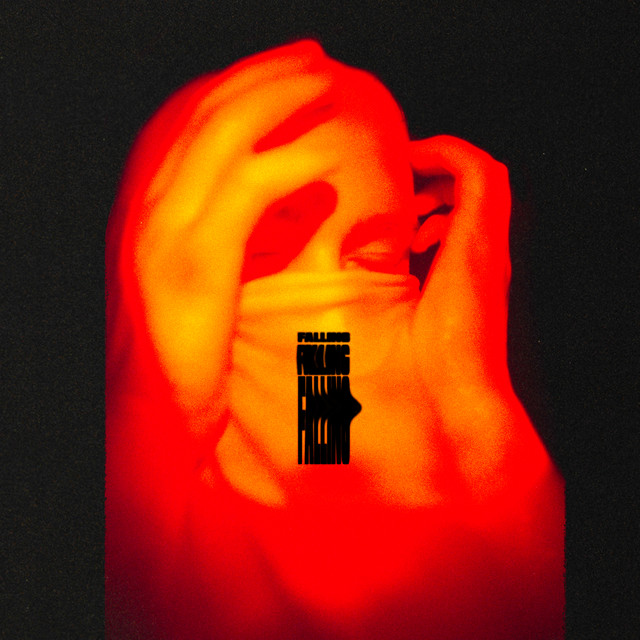
Falling
Trevor Daniel
Melodic Rap
Pop
Pop Rock
Similar artists
5
/5
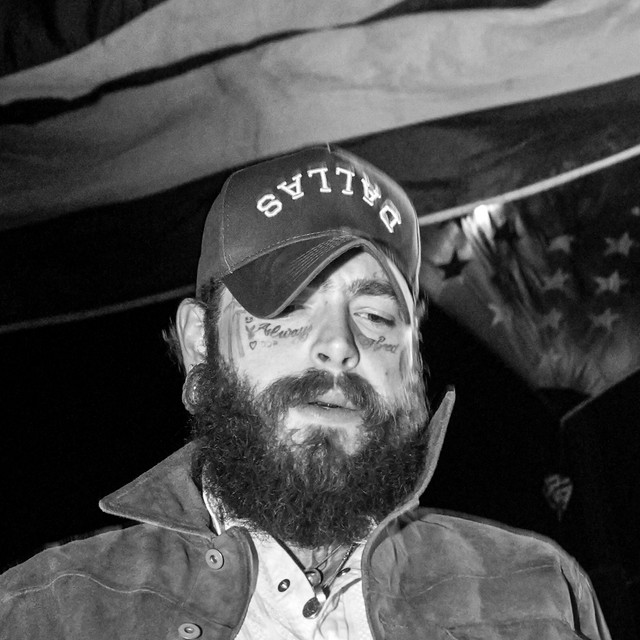
Post Malone
Melodic Rap
Hip Hop
Pop
5
/5
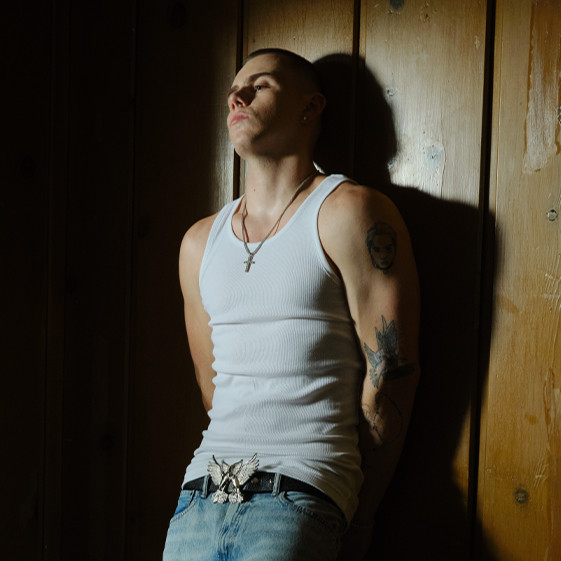
The Kid LAROI
The Wave
Emo Trap
Aussie Drill
5
/5
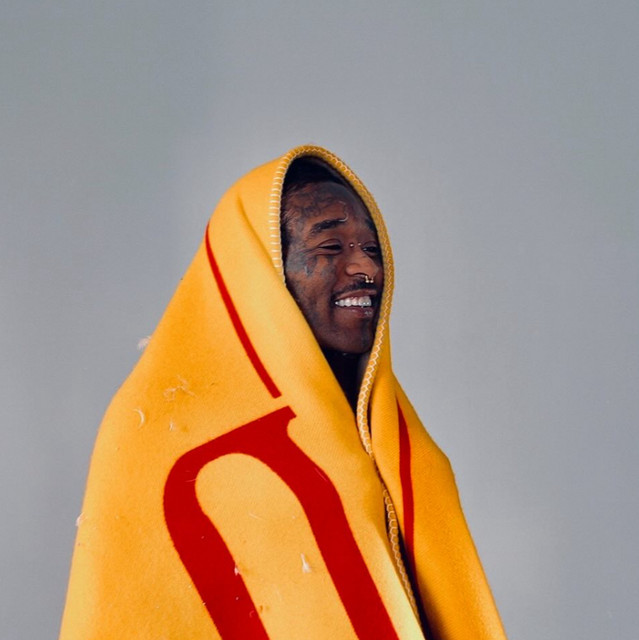
Lil Uzi Vert
Hip Hop
Trap
Melodic Rap
5
/5
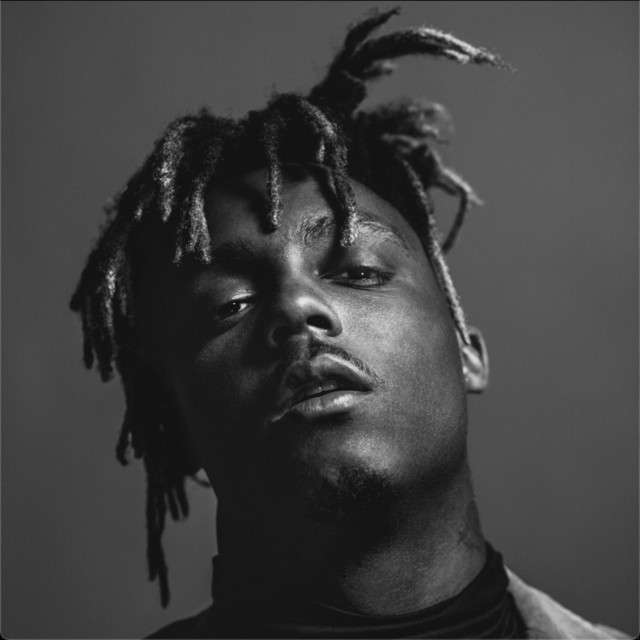
Juice WRLD
Emo Rap
Melodic Rap
Rap
5
/5
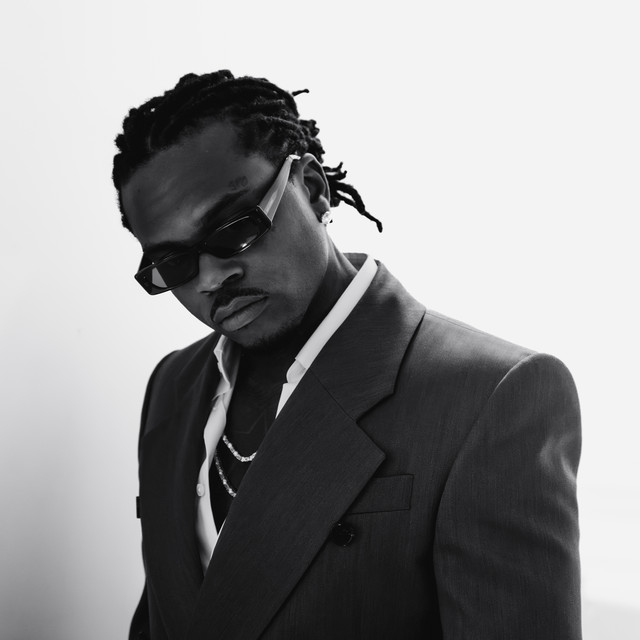
Gunna
Atl Hip Hop
Melodic Rap
Hip Hop
5
/5
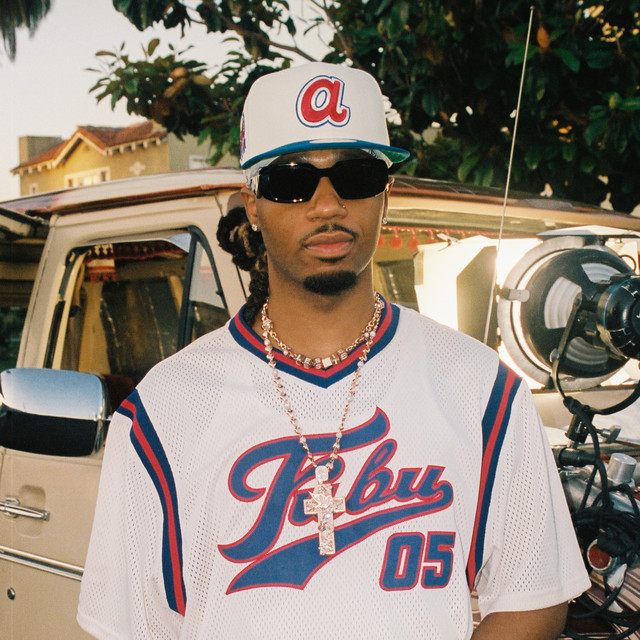
Metro Boomin
Hip Hop
Trap
The Wave
5
/5
Lil Tecca
Rap
Pluggnb
Melodic Rap
4
/5
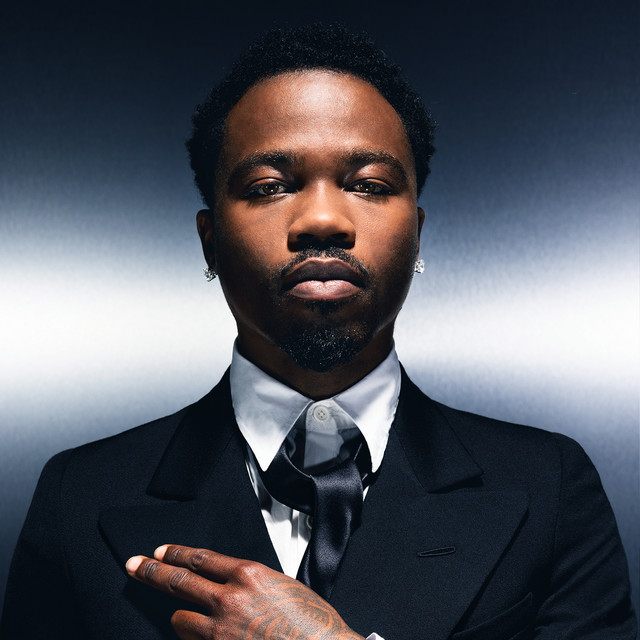
Roddy Ricch
Melodic Rap
Aussie Drill
Deep Southern Trap
5
/5
Kanye West
Hip Hop
Pop Rap
Rap
5
/5
J. Cole
Conscious Hip Hop
Hip Hop
Boom Bap
Download our mobile app
Get the Melodigging app and start digging for new genres on the go
Download on the App Store
Get it on Google Play
© 2026 Melodigging
Give feedback
Legal
Melodding was created as a tribute to
Every Noise at Once
, which inspired us to help curious minds keep digging into music's ever-evolving genres.