Genres
Artists
Albums
Make Music
Sign in
Sign in
Artists
Cuatro Puertorriqueno
Artists
Cuatro Puertorriqueno
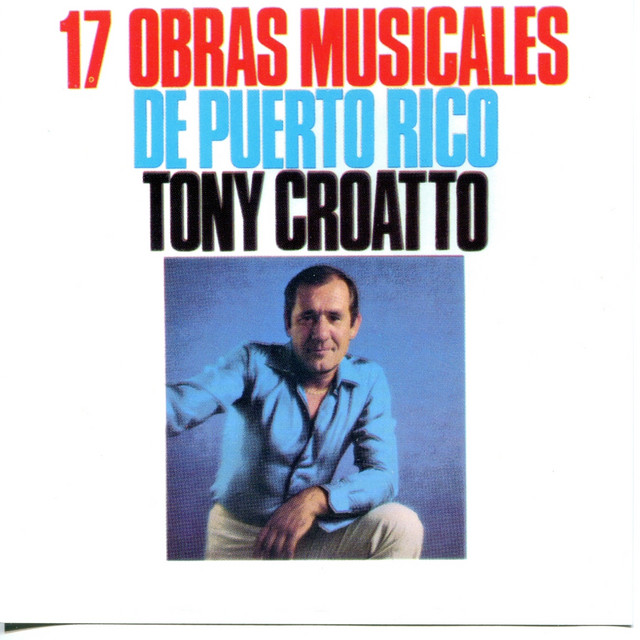
Tony Croatto
1998
·
2 albums
Listen
2
/5
Genres
Nueva Trova
Nueva trova is a Cuban singer‑songwriter movement that emerged in the late 1960s, blending the poetic intimacy of the island’s older trova tradition with socially conscious, often revolutionary, lyrics. It is typically guitar‑led and intimate, but can expand to small ensembles with subtle jazz‑inflected harmonies, echoing the filin (feeling) style and the romanticism of bolero while drawing rhythmic color from Cuban son and guajira. While aesthetically close to the broader Latin American nueva canción, nueva trova is distinctly Cuban in its idiom, metaphorical language, and engagement with post‑1959 cultural life.
Discover
Listen
Cuatro Puertorriqueno
Cuatro puertorriqueño refers both to the Puerto Rican 10‑string, five‑course "cuatro" and to the instrumental and song repertoire built around it in the island’s jíbaro (rural) tradition. Characterized by bright, bell‑like timbre, virtuosic melodic runs, and danceable, syncopated strumming, the style drives forms such as seis, aguinaldo, mapeyé, and danzas jíbaras. Ensembles typically feature cuatro as lead, supported by guitar, tiple or bordonúa, and güiro, with occasional bongó or maracas. Harmony is diatonic and major‑leaning (I–IV–V with secondary dominants), while rhythms often alternate between 2/4, 3/4, and 6/8, creating a buoyant lilt ideal for festive parrandas and community dances. Beyond its rural roots, the cuatro has become a national symbol, bridging folk and popular music; modern players fuse it with bolero, salsa, and jazz while preserving the poetic décima tradition.
Discover
Listen
Trova
Trova is a Cuban singer‑songwriter tradition that emerged in the late 19th century, centered on itinerant guitar‑accompanied vocalists who composed and performed their own songs. Characterized by intimate, lyrical delivery and refined guitar accompaniment, trova blends Spanish poetic songcraft with Cuban rhythmic sensibilities (notably the habanera pulse). Themes commonly include love, longing, social observation, and patriotic sentiment, often presented in strophic forms suitable for serenades or small gatherings. The tradition laid the groundwork for Cuban bolero and later songwriter movements, preserving a focus on melody, poetic text, and expressive, ornamented vocal lines.
Discover
Listen
Musica Jibara
Música jíbara is the rural mountain music of Puerto Rico, centered on the voice of the trovador and the bright, ringing sound of the Puerto Rican cuatro. It features poetic décimas (ten-line stanzas) delivered with improvisation, alongside lively instrumental forms such as seis and festive aguinaldos during Christmas parrandas. Its sound blends Iberian folk heritage (especially Canarian and Andalusian styles) with creole Puerto Rican identity, using instruments like cuatro, guitar, bordonúa, tiple, and güiro. Common textures include strummed rhythmic accompaniment, cuatro melodic breaks (paseos), and an expressive, ornamented vocal style that moves between tender nostalgia and celebratory drive.
Discover
Listen
Puerto Rican Folk
Puerto Rican folk (música folklórica puertorriqueña) is the rural and community-rooted music of Puerto Rico, spanning mountain jíbaro song forms, Afro–Puerto Rican bomba, and street-born plena. It blends Iberian poetic and harmonic traditions (décima, seis, aguinaldo, villancico) with West and Central African rhythmic languages, plus Indigenous Taíno timbral traces (e.g., güiro). Core instruments include the cuatro puertorriqueño, guitar, tiple and bordonúa; the panderos and güiro in plena; and the barriles (buleador and subidor/primo), maracas, and cua sticks in bomba. Stylistically it ranges from narrative, stanza-based songs accompanied by simple I–IV–V harmony, to call-and-response dance music driven by syncopated, polyrhythmic percussion. Themes celebrate rural life, love, humor, social commentary, and communal identity.
Discover
Listen
Punto
Punto (also called punto guajiro or punto cubano) is a rural, sung genre from Cuba’s western and central regions that fuses Iberian poetic song with Cuban string-accompanied dance music. At its core is the improvised or composed décima espinela (a ten‑line stanza of octosyllabic verse) delivered by a solo singer (or two in friendly duels), accompanied by bright, ringing plucked strings such as the Cuban laúd, guitar, tres, and sometimes bandurria or tiple. Growing out of Andalusian and Canary Islands song practices brought by settlers, punto became a Cuban campesino (peasant) art that later integrated Afro‑Cuban rhythmic sensibilities and performance energy. It is heard at guateques (rural gatherings), in “controversia” poet‑duels, and in stage or radio formats. Melodically strophic and often in major mode, it balances Iberian lyricism with Cuban swing, using light percussion (güiro, handclaps, foot‑stomping) and propulsive strumming or arpeggiated guajeos to support ornate, witty verse.
Discover
Listen
Albums
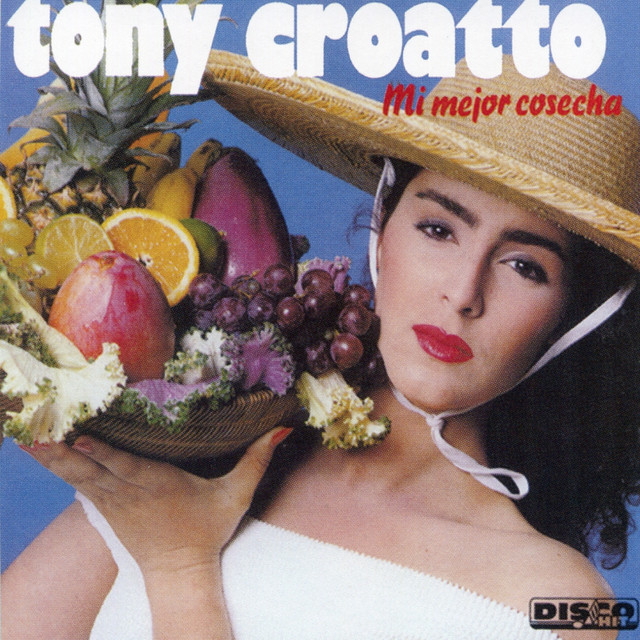
1998
Mi Mejor Cosecha
Tony Croatto
Puerto Rican Folk
Cuatro Puertorriqueno
Musica Jibara
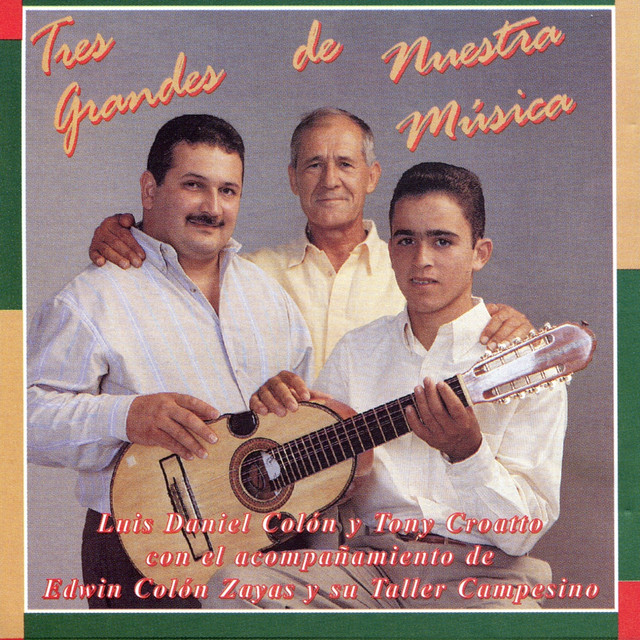
1998
Tres Grandes de Nuestra Música
Luis Daniel Colón, Tony Croatto, Edwin Colón Zayas
Cuatro Puertorriqueno
Musica Jibara
Puerto Rican Folk
Similar artists
2
/5
Andrés Jiménez, El Jíbaro
Christmas Music
Nueva Trova
Trova
2
/5
Haciendo Punto en Otro Son
Latin Folk
Nueva Trova
Punto
1
/5
Silverio Perez
Nueva Trova
Punto
Trova
2
/5
Ramito
Jibaro
Nueva Trova
Puerto Rican Folk
1
/5
Antonio Caban Vale "El Topo"
Nueva Trova
Trova
Musica Jibara
1
/5
Edwin Colón Zayas
Cuatro Puertorriqueno
Musica Jibara
Nueva Trova
1
/5
Prodigio y Su Grupo
Nueva Trova
Trova
Musica Jibara
1
/5
Luis Miranda "El Pico De Oro"
Nueva Trova
Trova
Musica Jibara
1
/5
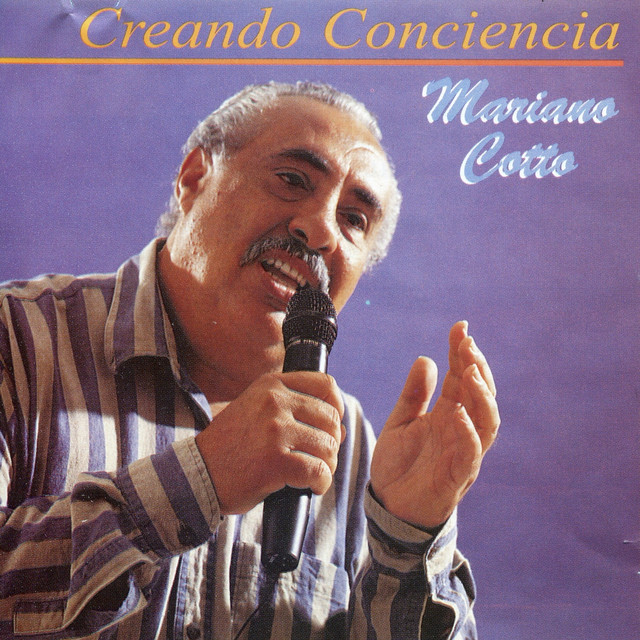
Mariano Cotto
Nueva Trova
Trova
Musica Jibara
1
/5
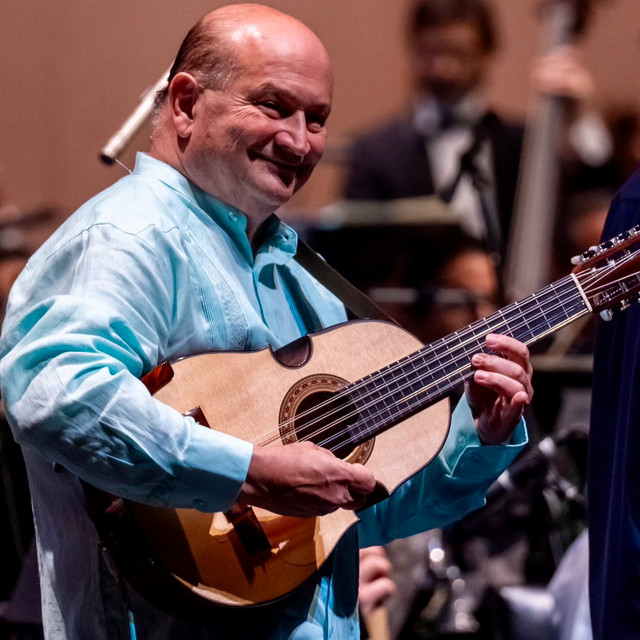
Luis Daniel Colón
Nueva Trova
Tropical Music
Cuatro Puertorriqueno
Download our mobile app
Get the Melodigging app and start digging for new genres on the go
Download on the App Store
Get it on Google Play
© 2026 Melodigging
Give feedback
Legal
Melodding was created as a tribute to
Every Noise at Once
, which inspired us to help curious minds keep digging into music's ever-evolving genres.