Genres
Artists
Albums
Make Music
Sign in
Sign in
Artists
Japanese Classical
Artists
Japanese Classical
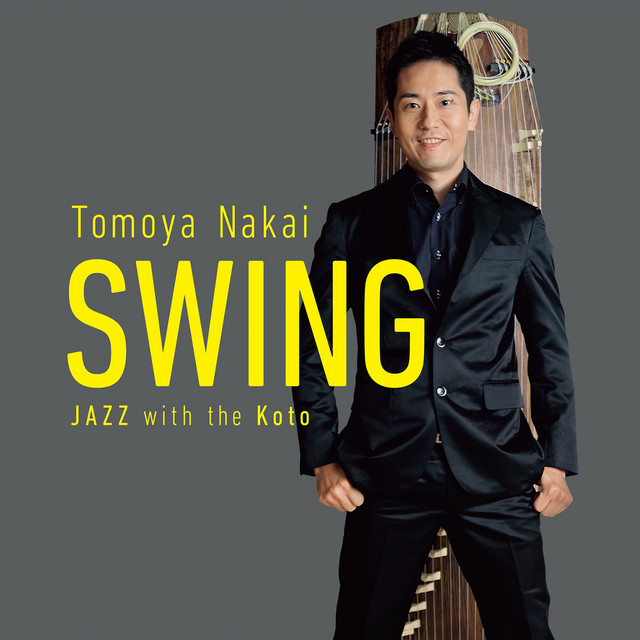
Tomoya Nakai
2008
·
1 album
Listen
1
/5
Genres
Balto-Finnic Folk Music
Balto-Finnic folk music is the traditional music of the Finnic peoples of the northeastern Baltic region, especially Finns, Karelians, and Estonians. It centers on ancient runo songs in trochaic tetrameter, alliteration, and parallelism, and is accompanied by emblematic instruments such as the kantele (plucked zither) and the bowed lyre (jouhikko/Estonian hiiu kannel). The style ranges from archaic, incantatory solo or choral chant to later dance repertoires shaped by contact with broader European traditions. Vocal delivery often emphasizes a steady, mantra-like pulse, modal or pentachordal/hexachordal melodies, and drone-based textures. Regional variants include Seto leelo and Karelian runo singing, with languages and dialects (Finnish, Estonian, Karelian, Võro/Seto) shaping timbre, prosody, and ornamentation.
Discover
Listen
Finnish Folk Music
Finnish folk music encompasses two intertwined traditions: the ancient Kalevala‑meter runo singing and kantele music, and the later pelimanni (dance‑fiddler) repertoire shaped by pan‑Nordic and Central European dance forms. The older layer features trochaic tetrameter verses with alliteration and parallelism, often sung solo or antiphonally and accompanied by small kanteles or performed unaccompanied. The newer layer centers on village dance bands with fiddles, accordion, harmonium, and bass playing polskas, polkas, schottisches (jenkka), mazurkas, waltzes and minuets. Typical timbres range from the bell‑like shimmer of the kantele and the droning, nasal tone of the jouhikko (bowed lyre) to the bright, driving sound of twin‑fiddle and accordion leads. Modal colors (Dorian, Aeolian, Mixolydian), drone tones, heterophony, and subtle asymmetric lilt in triple‑time dances are common. Themes span myth and magic (as preserved in the Kalevala), nature imagery, work and wedding songs, and witty, strophic “rekilaulu” ballads borrowed and localized from broader European song currents.
Discover
Listen
Japanese Folk Music
Japanese folk music (min'yō and related regional traditions) is the collective body of vernacular song and instrumental practices that arose among Japan’s rural and coastal communities. It includes work songs (rice-planting, fishing, sake-brewing), festival and dance songs (Bon-odori), travelers’ and boatmen’s songs, lullabies, and ritual/seasonal chants. Melodies commonly draw on pentatonic collections such as the yo and in scales, and are richly ornamented with kobushi (vocal turns) and flexible timing shaped by ma (intentional silence/space). Textures are largely monophonic or heterophonic, with unison singing doubled by instruments like shamisen, fue (transverse bamboo flutes), shakuhachi, and sometimes koto; taiko and local percussion support dance and procession contexts. Regional styles (e.g., Tsugaru in the north, Amami in the south, Okinawa and Ainu traditions) contribute distinctive timbres, rhythms, and repertories that together define the breadth of Japanese folk expression.
Discover
Listen
Japanese Classical
Japanese classical refers to the courtly, religious, theatrical, and chamber traditions that crystallized in Japan from the Nara and Heian periods onward. It encompasses Gagaku (imperial court music), Shinto ritual music (kagura), Buddhist chant (shōmyō), Noh and Kabuki repertories (e.g., nagauta, jōruri), and chamber music for koto, shamisen, and shakuhachi (sankyoku). The style emphasizes modal color (ryō and ritsu modes, along with later in/yo pentatonic variants), the dramatic architecture of jo–ha–kyū (slow introduction, development, swift conclusion), and the aesthetic of ma (meaningful silence/space). Textures are often heterophonic or layered, timbres are cultivated for breathy, reedy, and bell-like colors (e.g., shō, hichiriki, ryūteki), and rhythm can range from free-flowing chant to stately ceremonial cycles. The result is a contemplative yet ceremonially powerful sound world distinct from Western common-practice tonality.
Discover
Listen
Albums
2008
1
/5
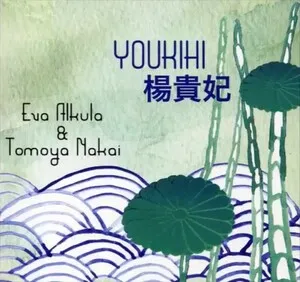
楊貴妃 (Youkihi)
Eva Alkula & Tomoya Nakai
Finnish Folk Music
Balto-Finnic Folk Music
Japanese Folk Music
Similar artists
2
/5
Yoshida Brothers
Tsugaru-Jamisen
Japanese Classical
Traditional Music
2
/5
Nonesuch Explorer Series
East Asian Classical Music
Japanese Music
East Asian Music
2
/5
Kodo
Japanese Classical
Japanese Folk Music
Country
2
/5
Seijin Noborikawa
Enka
Japanese Classical
Japanese Folk Music
1
/5
Junko Ueda
Heikyoku
Japanese Classical
Japanese Folk Music
1
/5
Kinshi Tsuruta
Japanese Classical
East Asian Classical Music
East Asian Folk Music
1
/5
Master Musicians of Ikuta-Ryu
Japanese Classical
Traditional Music
Japanese Folk Music
1
/5
桃山晴衣
Enka
Japanese Classical
Jōruri
2
/5
Loituma
Finnish Folk Music
Polka
Balto-Finnic Folk Music
2
/5
Värttinä
Balto-Finnic Folk Music
Finnish Folk Music
Folk
Download our mobile app
Get the Melodigging app and start digging for new genres on the go
Download on the App Store
Get it on Google Play
© 2026 Melodigging
Give feedback
Legal
Melodding was created as a tribute to
Every Noise at Once
, which inspired us to help curious minds keep digging into music's ever-evolving genres.