Genres
Artists
Albums
Make Music
Sign in
Sign in
Artists
Post-Rock
Artists
Post-Rock
toe
2005–2024
·
7 albums
Listen
3
/5
Genres
Asian Rock
Asian Rock (in the contemporary online-rap sense) is a pluggnb-derived microstyle that fuses the dense, bouncy percussion of pluggnb with bright, anime/Asian-rock-tinged melodic cues. Production typically layers airy bells, mallet or synth plucks, and shimmering pads with soaring synthetic guitar leads that nod to Japanese rock and anime-score aesthetics. Vocals lean melodic—half-sung, half-rapped—with light autotune and emotive hooks, riding swung hi-hats, skipping rimshots, and rubbery 808 slides. Rather than a geographic tag, this style labels a sonic palette: internet-native trap built on pluggnb drums and glossy, nostalgic melodies that evoke anime openings and J-rock guitar heroics.
Discover
Listen
Post-Rock
Post-rock is a style that uses traditional rock instrumentation—guitars, bass, drums, and often piano or strings—to create expansive textures, evolving soundscapes, and dynamic arcs rather than conventional verse–chorus songs. It emphasizes timbre, atmosphere, and gradual development: clean or lightly overdriven guitars drenched in delay and reverb, cyclical ostinatos, layered crescendos, and pronounced quiet–loud dynamics. Vocals, if present, are often sparse, wordless, or treated as another textural layer. The genre draws heavily from ambient, minimalism, krautrock, progressive and space rock, shoegaze, noise rock, and experimental practices, yielding music that can feel cinematic, contemplative, and emotionally cathartic.
Discover
Listen
Instrumental Post-Rock
Instrumental post-rock is a guitar- and texture-centered style of rock music that emphasizes atmosphere, dynamics, and long-form development over traditional verse–chorus songwriting. It typically features mostly or entirely instrumental tracks built from repeated motifs, gradual layering, and dramatic crescendos, often blending rock instrumentation with orchestral, ambient, or experimental timbres. The sound is commonly characterized by clean or delayed guitars, spacious reverb, evolving drum patterns, and cinematic arrangement arcs that create a narrative feeling without relying on lyrics.
Discover
Listen
Midwest Emo
Midwest emo is a regionally rooted branch of emo that emerged in the American Midwest during the 1990s. It is distinguished by clean, interlocking "twinkly" guitar lines, melodic bass counterpoint, and dynamic, often understated drumming. The style blends the confessional lyricism and DIY ethos of emo with the delicacy and clarity of indie rock, plus the rhythmic and harmonic playfulness of math rock. Vocals tend to be intimate and conversational, while arrangements favor open guitar voicings (add9/sus2), arpeggios, and intricate two‑guitar interplay over high‑gain distortion. While associated with college towns and basement shows, Midwest emo’s influence has spread widely, shaping subsequent waves of emo and inspiring cross‑genre borrowing from indie rock to emo rap.
Discover
Listen
Math Rock
Math rock is a subgenre of indie and experimental rock defined by complex, irregular rhythms, sudden dynamic shifts, and angular, interlocking guitar lines. It frequently employs odd and mixed meters (such as 5/4, 7/8, 11/8), polyrhythms, start–stop figures, and intricate syncopation. Guitars often favor clean or lightly overdriven tones, tapping, and harmonically adventurous voicings over traditional power-chord riffing. Vocals, if present, are usually sparse, textural, or rhythmically coordinated with the ensemble rather than the primary focal point. Aesthetically, math rock draws from the precision and structural ambition of progressive rock, the urgency of post-hardcore, and the textural curiosity of indie and noise rock, resulting in music that feels both cerebral and visceral.
Discover
Listen
Japanese Indie
Japanese indie refers to Japan’s independent rock and pop scenes that developed outside the major-label idol system. It blends DIY production and small-label distribution with a wide palette of sounds, from jangly guitar pop and post‑punk angularity to dreamy shoegaze and lo‑fi recordings. The scene is anchored by “live houses” (small venues) around Tokyo (Shimokitazawa, Koenji, Shinjuku), Osaka, Kyoto, and Fukuoka. Artists often sing in Japanese (sometimes mixing English), with introspective, everyday-life lyrics and arrangements that prize dynamics, texture, and melody over flashy virtuosity. Aesthetically, Japanese indie inherits Western indie rock’s DIY ethos while retaining local melodic sensibilities shaped by kayōkyoku and city pop. Production ranges from 4‑track cassette grit to clean, minimal studio mixes, but the emphasis remains on authenticity, atmosphere, and the energy of the live circuit.
Discover
Listen
Rock
Rock is a broad family of popular music centered on amplified instruments, a strong backbeat, and song forms that foreground riffs, choruses, and anthemic hooks. Emerging from mid‑20th‑century American styles like rhythm & blues, country, and gospel-inflected rock and roll, rock quickly expanded in scope—absorbing folk, blues, and psychedelic ideas—while shaping global youth culture. Core sonic markers include electric guitar (often overdriven), electric bass, drum kit emphasizing beats 2 and 4, and emotive lead vocals. Rock songs commonly use verse–chorus structures, blues-derived harmony, and memorable melodic motifs, ranging from intimate ballads to high‑energy, stadium‑sized performances.
Discover
Listen
Electronic
Electronic is a broad umbrella genre defined by the primary use of electronically generated or electronically processed sound. It encompasses music made with synthesizers, drum machines, samplers, computers, and studio/tape techniques, as well as electroacoustic manipulation of recorded or synthetic sources. The genre ranges from academic and experimental traditions to popular and dance-oriented forms. While its sonic palette is rooted in electricity and circuitry, its aesthetics span minimal and textural explorations, structured song forms, and beat-driven club permutations. Electronic emphasizes sound design, timbre, and studio-as-instrument practices as much as melody and harmony.
Discover
Listen
Show all 8 genres
Albums
2024
3
/5
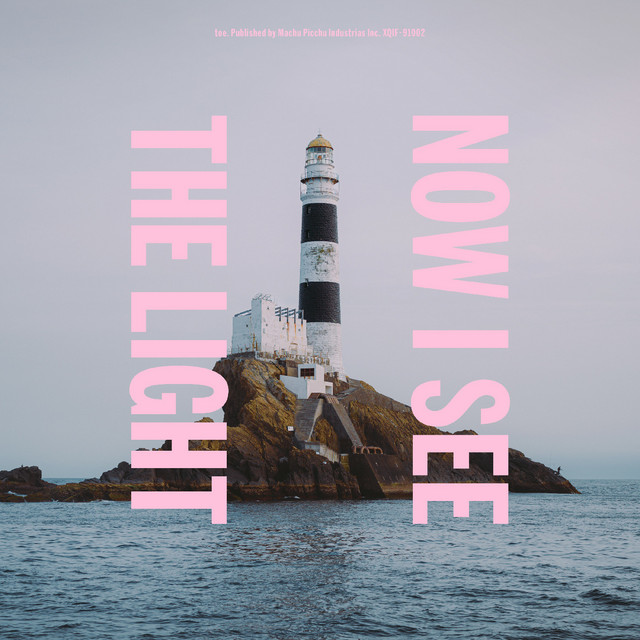
Now I See the Light
toe
Instrumental Post-Rock
Math Rock
Midwest Emo
2024
3
/5
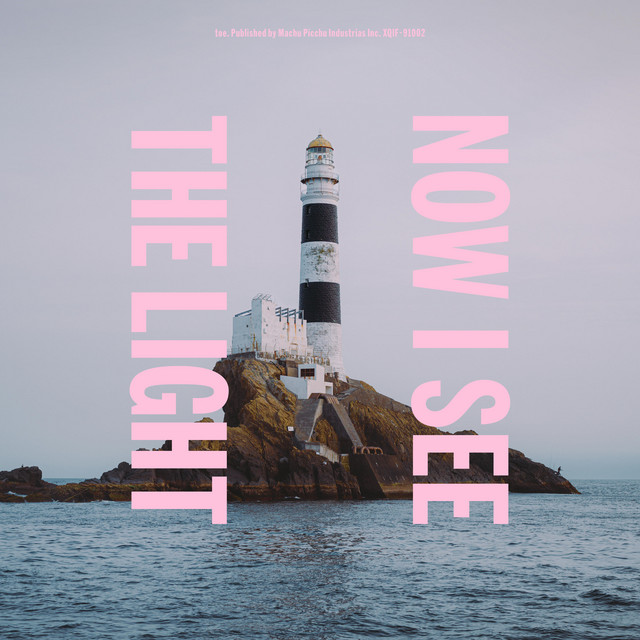
NOW I SEE THE LIGHT
toe, toe, mouse on the keys, mouse on the keys, toe, toe, toe, mouse on the key…
Instrumental Post-Rock
Post-Rock
2015
1
/5
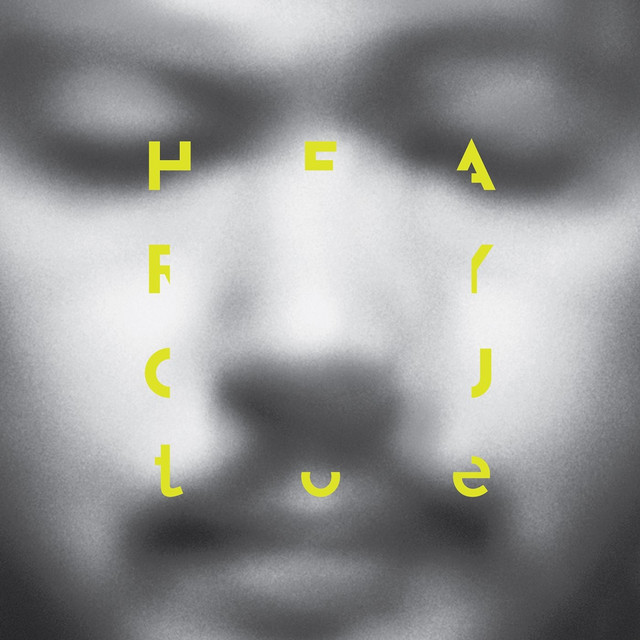
Hear You
toe
Instrumental Post-Rock
Math Rock
Post-Rock
2012
1
/5
The Book About My Idle Plot on a Vague Anxiety
toe
Math Rock
Post-Rock
Rock
2009
3
/5
For Long Tomorrow
toe
Instrumental Post-Rock
Electronic
Post-Rock
2009
1
/5
For Long Tomorrow
toe
Math Rock
Electronic
Post-Rock
2005
3
/5
the book about my idle plot on a vague anxiety
toe
Instrumental Post-Rock
Post-Rock
Math Rock
Similar artists
3
/5
Mogwai
Cosmic Post-Rock
Post-Rock
Instrumental Post-Rock
2
/5
Elephant Gym
Southeast Asian Post-Rock
Post-Rock
Math Rock
3
/5
American Football
Emo
Midwest Emo
Math Rock
3
/5
God Is An Astronaut
Cosmic Post-Rock
Post-Rock
Instrumental Post-Rock
2
/5
Don Caballero
Math Rock
Mathcore
Midwest Emo
2
/5
Tera Melos
Math Pop
Math Rock
Mathcore
2
/5
Joan Of Arc
Emo
Post-Rock
Indie Rock
3
/5
This Will Destroy You
Ambient Post-Rock
Doomgaze
Instrumental Post-Rock
3
/5
TTNG
Math Rock
Math Pop
Midwest Emo
3
/5
If These Trees Could Talk
American Post-Rock
Post-Metal
Post-Rock
Download our mobile app
Get the Melodigging app and start digging for new genres on the go
Download on the App Store
Get it on Google Play
© 2026 Melodigging
Give feedback
Legal
Melodding was created as a tribute to
Every Noise at Once
, which inspired us to help curious minds keep digging into music's ever-evolving genres.