Genres
Artists
Albums
Make Music
Sign in
Sign in
Artists
Qawwali
Artists
Qawwali
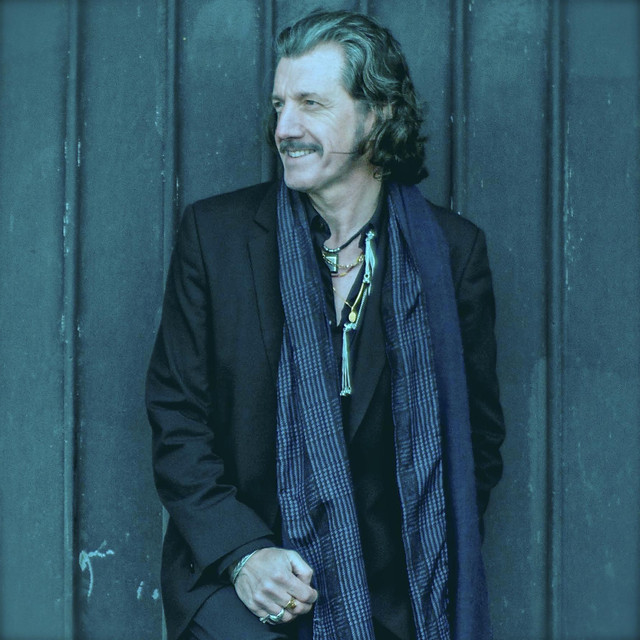
Titi Robin
1993–2012
·
3 albums
Listen
2
/5
Genres
Rajasthani Folk Music
Rajasthani folk music is a centuries-old musical tradition from the desert state of Rajasthan in northwestern India. It is known for powerful, ornamented vocals, modal melodies related to ragas (especially the regional Maand mode), and propulsive dance rhythms. Songs celebrate love, monsoon rains, heroic epics of Rajput valor, and devotional themes addressed to Krishna, local deities, and Sufi saints. The style is carried by hereditary communities such as the Manganiyar and Langa, temple bards and storytellers like the Bhopa, and dance traditions including the Kalbeliya. Signature instruments include the kamaicha (bowed lute), ravanhatta (spike fiddle), sarangi, algoza (double flute), morchang (jaw harp), bhapang (talking drum), khartal (castanet-clappers), dholak, and harmonium. Performances range from intimate ballad recitations to high-energy dance songs (e.g., ghoomar), often featuring call-and-response and trance-like grooves.
Discover
Listen
Gnawa
Gnawa is a spiritual, trance-based music of Morocco associated with the Gnawa brotherhoods, a community with roots in sub‑Saharan Africa and Sufi Islam. It centers on a deep, percussive bass lute called the guembri (also known as sintir or hajhuj), the bright metallic clatter of iron castanets (qraqeb/krakebs), unison handclaps, and call‑and‑response vocals. Performances often unfold in an all‑night ritual called a lila (derdeba), where cyclical 6/8 grooves and repetitive chants invite communal participation and induce a trance state. The repertoire invokes saints and ancestral spirits (mluk), moving through color-coded suites and intensifying rhythmic layers. While firmly rooted in West African rhythmic sensibilities, Gnawa also absorbs Maghrebi and Sufi aesthetics, producing a sound that is both devotional and intensely groove‑driven.
Discover
Listen
Romani Folk Music
Romani folk music is the diverse, diasporic musical tradition of the Romani people, whose ancestors migrated from the Indian subcontinent into the Middle East and Europe during the late medieval period. Carrying core melodic and rhythmic ideas with them, Romani musicians absorbed and reinterpreted local styles, creating a family of related yet regionally distinct musics across Central, Eastern, Southern, and Western Europe. Common features include ornate, highly expressive melodies with melismas and slides; flexible tempo practices (rubato introductions leading into faster dance sections); and modal colors such as harmonic minor and the Phrygian dominant (often called "Gypsy" or freygish in European discourse). Instrumentation varies by region—fiddles and cimbalom in the Carpathian basin; clarinet, accordion, and cimbalom in Romania and Hungary; brass bands in the Balkans; and guitar-based ensembles among Iberian Gitanos. Dance repertoires (e.g., csárdás, hora, kolo, čoček) and the Romani language often feature, alongside local tongues.
Discover
Listen
Qawwali
Qawwali is a Sufi devotional vocal music from the Indian subcontinent that aims to evoke spiritual ecstasy and communal devotion. It is typically performed by a lead singer (qawwal) with a small ensemble of accompanying vocalists, harmoniums, handclaps, and percussion such as dholak and tabla. Musically, Qawwali blends raga-based melodic frameworks and flexible, improvisatory singing with driving rhythms and responsorial choruses. Texts are drawn from Urdu, Persian, Punjabi, and other North Indian languages, and include ghazals, kafis, hamds (praise of God), naats (praise of the Prophet), and manqabats (praise of Sufi saints). Performances traditionally take place at Sufi shrines (dargahs), where repetition, call-and-response, and gradual intensification lead listeners toward wajd (states of spiritual ecstasy). In the modern era, Qawwali is also heard on concert stages, recordings, and film.
Discover
Listen
Sufi
Sufi is a devotional musical tradition rooted in Islamic mysticism that seeks to induce remembrance of the Divine (dhikr) and transport performers and listeners toward spiritual ecstasy (wajd). It is not a single uniform style, but a family of practices that vary across regions—most notably Persian/Iranian, Anatolian/Turkish (Mevlevi), Arab, and South Asian (qawwali, kafi). Musically, Sufi repertoire tends to revolve around repetitive, mantra-like refrains, call-and-response between lead and chorus, and gradual intensification over cyclical rhythms. Melodic language draws from regional modal systems such as the Persian dastgāh, Ottoman/Turkish makam, and South Asian raga, and is often supported by drones. Texts are central: poetry by mystic masters like Rumi, Hafez, Bullhe Shah, and Amir Khusrau is sung in Persian, Urdu, Punjabi, Arabic, Turkish, and other languages. Instrumentation varies by locale—harmonium, tabla/dholak, tanpura, and clapping in South Asia; ney, kudüm, bendir, and tanbur in Turkey; oud and frame drums across the Arab world—yet the unifying aim is spiritual uplift and inner transformation.
Discover
Listen
Albums
2012
1
/5
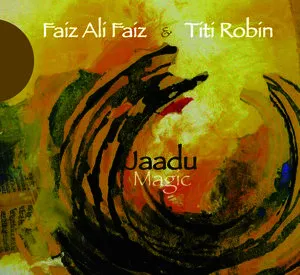
Jaadu
Faiz Ali Faiz & Thierry Robin
Romani Folk Music
Qawwali
2002
2
/5
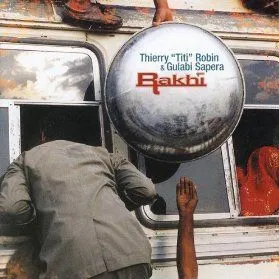
Rakhî
Thierry Robin / Gulabi Sapera
Rajasthani Folk Music
1993
2
/5
Gitans
Thierry Robin
Romani Folk Music
Similar artists
2
/5
Faiz Ali Faiz
Qawwali
Ghazal
Gnawa
1
/5
Various Artists
Soundtrack
Afro-Funk
Alternative Rock
5
/5
Atif Aslam
Qawwali
Sufi
Bollywood
4
/5
Rahat Fateh Ali Khan
Ghazal
Qawwali
Sufi
4
/5
Nusrat Fateh Ali Khan
Qawwali
World
Sufi
4
/5
Kailash Kher
Kannada Pop
Qawwali
Sufi
4
/5
Zain Zohaib
Ghazal
Qawwali
Sufi
4
/5
Jagjit Singh
Bhajan
Ghazal
Qawwali
4
/5
Javed Bashir
Qawwali
Bollywood
Hindi Pop
4
/5
Adnan Sami
Ghazal
Qawwali
Bollywood
Download our mobile app
Get the Melodigging app and start digging for new genres on the go
Download on the App Store
Get it on Google Play
© 2026 Melodigging
Give feedback
Legal
Melodding was created as a tribute to
Every Noise at Once
, which inspired us to help curious minds keep digging into music's ever-evolving genres.